Ask any Cairene about their commute and you'll unlock a narrative far richer than mere logistics. The journey to work, to school, to the café—these daily migrations are threads that bind neighbourhoods together, revealing the character and soul of each district in ways that static maps never could.
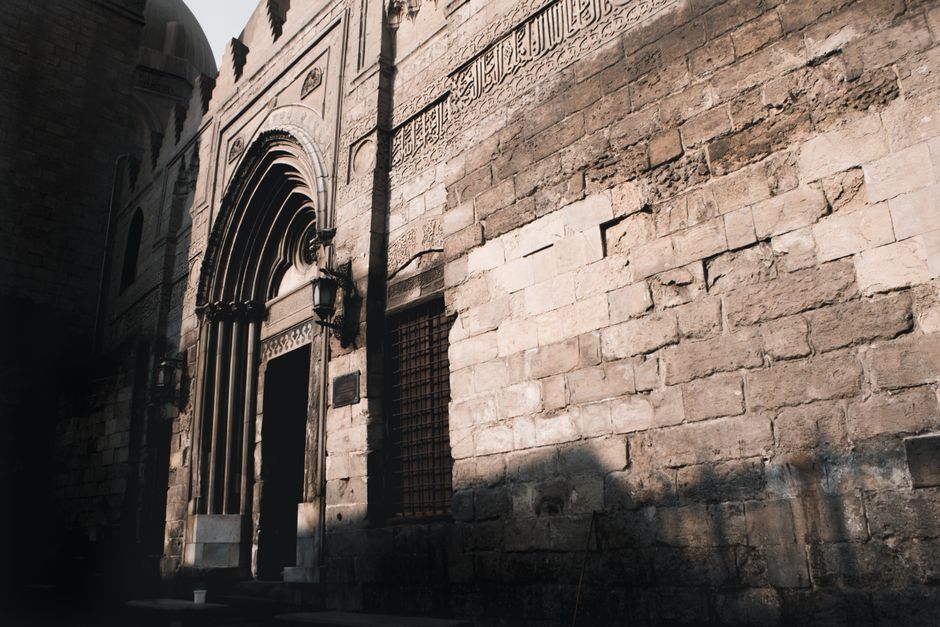
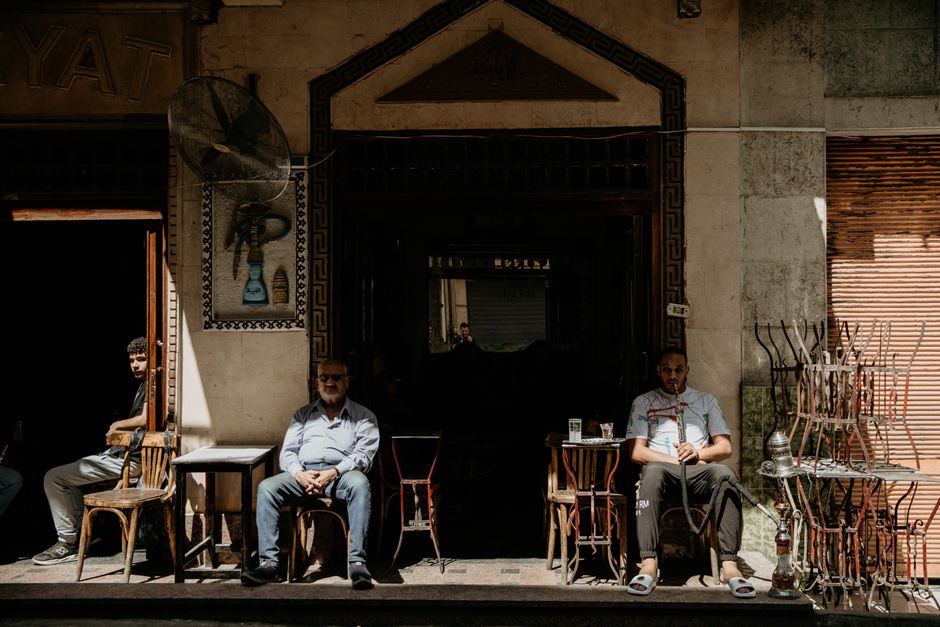
In Islamic Cairo, where medieval laneways converge near Khan el-Khalili, the morning ritual unfolds on foot. Street vendors position themselves along narrow passages, regulars exchange greetings at the same corner stall, and the neighbourhood's pulse quickens with pedestrian traffic that dates back centuries. It's transport stripped to its essence: human-powered, community-embedded, woven into the fabric of daily life. A coffee costs 5 Egyptian pounds here; a greeting costs nothing but carries neighbourhood currency.
Venture into Zamalek, and the commute transforms entirely. Tree-lined streets and the island's relative calm create a different ecosystem. The walkable distances—perhaps 1.2 kilometres from the Nile Corniche to the neighbourhood's heart—breed a particular kind of insularity. Coffee runs at 25 pounds. People know their drivers. The microbus routes that serve the broader city feel distant.
But the real character emerges in the middle-ground neighbourhoods. In Heliopolis, the tram system that once defined transport culture persists in collective memory even as private vehicles now dominate. Residents speak nostalgically of the 15-minute tram rides that connected the district; today's commute by car or the faster but impersonal metro reflects changing rhythms. The neighbourhood's identity—planned, orderly, European-influenced—lives on in its street layout even as its transport culture has fundamentally shifted.
Maadi tells another story. The affluent enclave's car-dependent infrastructure reflects deliberate urban planning. Yet pockets of community life persist: the Friday morning supermarket run, the school-run clusters, the afternoon gatherings at local clubs. Transport here is privatised, but neighbourhood identity remains strong because residents have chosen to stay, to invest socially in place.
Meanwhile, in working-class areas like Shubra, the microbus economy sustains entire ecosystems of drivers, mechanics, and informal service providers. Routes are negotiated on the fly. Fares—typically 2-5 pounds—are fluid. The vehicles themselves become mobile community centres, nodes of gossip, connection, and collective survival.
Cairo's neighbourhoods don't exist independent of how people move through them. Every commute is a negotiation with geography, history, economics, and choice. Understanding the city means understanding not just where people go, but how they get there—and what that journey reveals about who they are.
This article was compiled by AI and screened before publishing. See our editorial standards.