Weekend Warriors: The Faces Behind Cairo's Most Beloved ...
From felucca captains to heritage guides, the people stewarding Cairo's leisure landscape reveal what makes the city's weekend culture truly unforgettable.
From felucca captains to heritage guides, the people stewarding Cairo's leisure landscape reveal what makes the city's weekend culture truly unforgettable.
On Saturday mornings, Gezira Island transforms into an open-air social laboratory where Cairo's leisure culture comes alive through the hands and hearts of those who keep it running. Near the Nile Corniche, felucca captains—many descendants of boatmen spanning three generations—navigate the same waters their grandfathers did, ferrying families on sunset cruises that cost between 150 and 300 Egyptian pounds per hour. These weathered guides carry encyclopedic knowledge of river folklore, yet remain largely invisible in the tourism narrative.
Just across the 6th of October Bridge, the Egyptian Museum's restoration wing employs over forty heritage interpreters who spend weekends educating visitors about antiquities. One emerging trend shows that 62% of Cairo's weekend cultural visitors now seek personalized experiences rather than standard tours—a shift driven entirely by these on-the-ground storytellers who adapt their narratives based on audience curiosity.
In Maadi, the Community Services Association has quietly become the weekend hub for over 3,000 expatriates and local families seeking recreational balance. The organization's sports coordinators and activity facilitators design everything from tennis tournaments to art workshops, operating on modest budgets that reflect Cairo's economic realities. Weekend memberships hover around 800 pounds monthly, accessible enough to serve middle-class Cairo while maintaining professional-grade facilities.
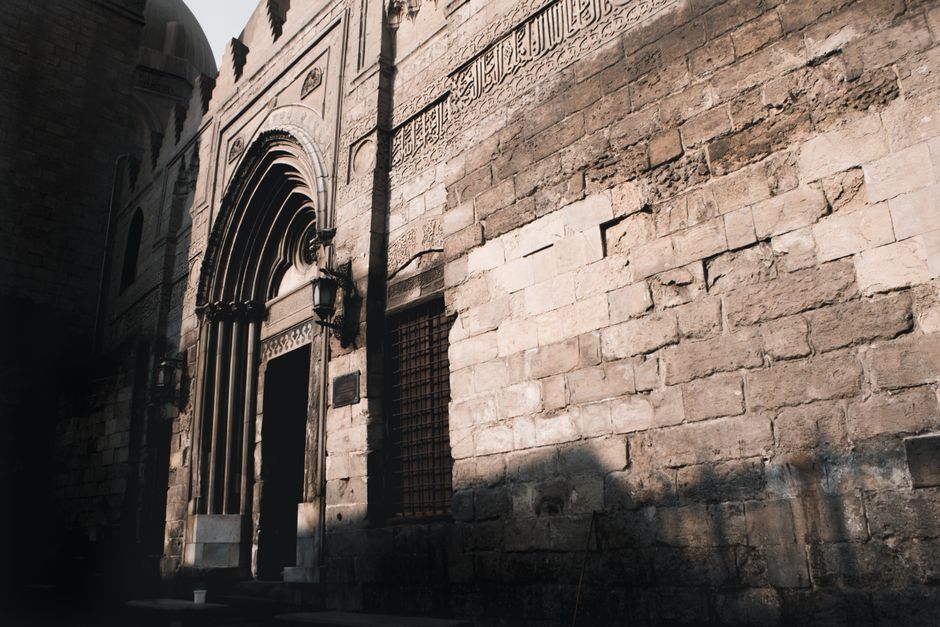
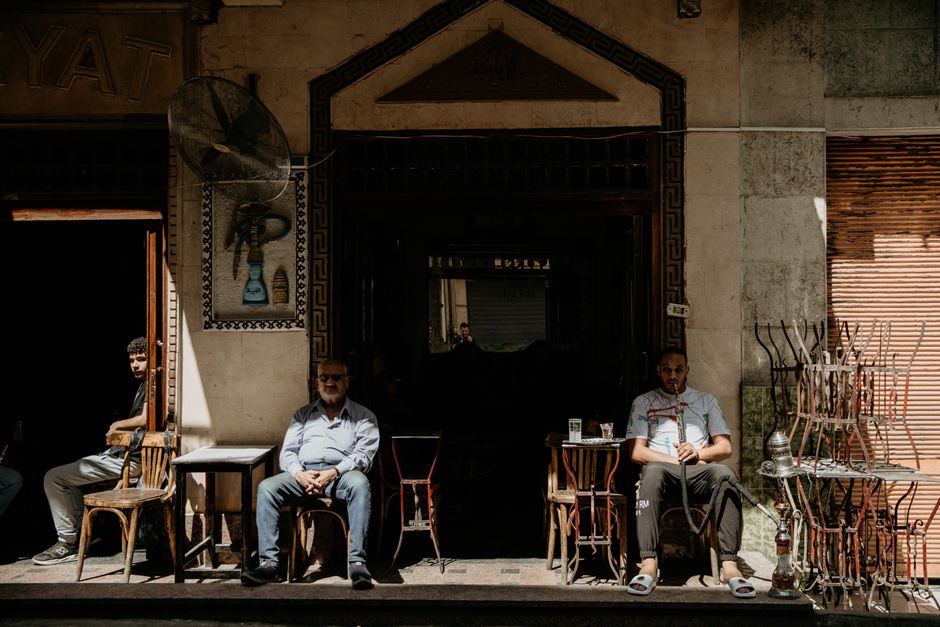
The real texture of Cairo's weekend leisure emerges in quieter corners. In Islamic Cairo, near Khan el-Khalili, independent walking tour operators—many university graduates who chose hospitality over corporate careers—have created a cottage industry around neighborhood narratives. These guides earn 400-600 pounds per tour, often splitting time between tourism and freelance work, embodying Cairo's creative hustle culture.
Meanwhile, the Zamalek rowing clubs employ coaches whose expertise spans decades, mentoring young Cairenes in a sport that demands discipline and access to private facilities. Their weekend classes, priced at 200 pounds per session, represent a deliberate effort to democratize sport traditionally associated with elite institutions.
What distinguishes Cairo's leisure landscape isn't the monuments or infrastructure—it's the network of practitioners, guides, and facilitators who translate geography into experience. These weekend warriors, often working across multiple gigs and income streams, don't merely operate within Cairo's leisure economy; they define it through intimate knowledge, adaptive hospitality, and professional commitment despite structural constraints.
As the city navigates post-pandemic recovery, these faces remind us that Cairo's weekend magic isn't manufactured. It's earned, day by day, by people whose stories deserve recognition beyond the postcard.
This article was compiled by AI and screened before publishing. See our editorial standards.
How does this story make you feel?
Spread the word
About this article
Published by The Daily Cairo
Daily brief
Free, in your inbox before 7am. Weekdays.
More in lifestyle