Cairo Markets Guide: Budget, Prices & How to Bargain
Navigate Khan El-Khalili and Attaba like a local. Real prices for textiles, spices, and souvenirs plus bargaining tactics that actually work.
Navigate Khan El-Khalili and Attaba like a local. Real prices for textiles, spices, and souvenirs plus bargaining tactics that actually work.
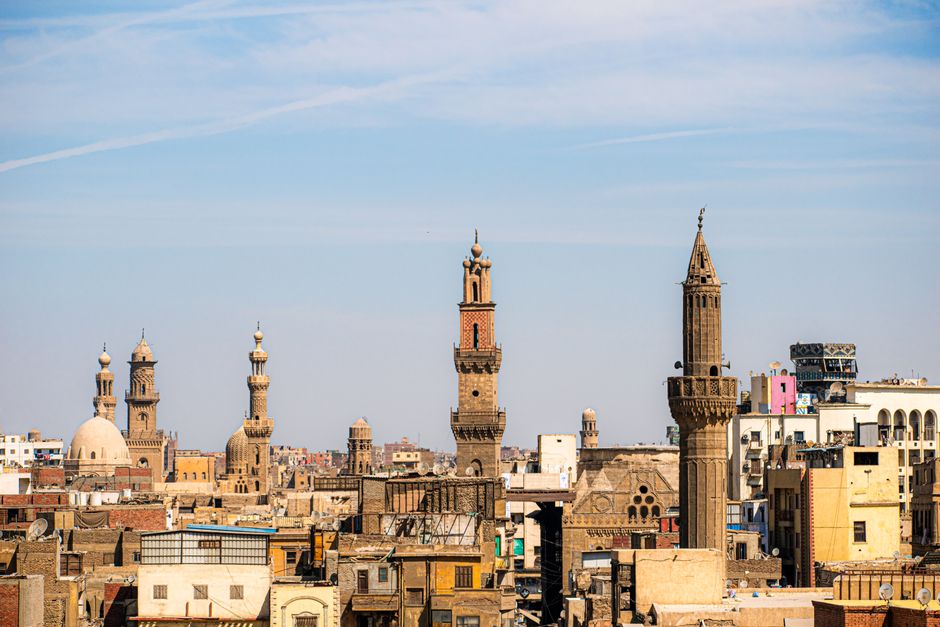
Cairo's markets are legendary—chaotic, colourful, and utterly unforgiving to the unprepared visitor. Whether you're hunting textiles, spices, or souvenirs, understanding the economics of these bazaars will transform your shopping experience from frustrating to genuinely rewarding.
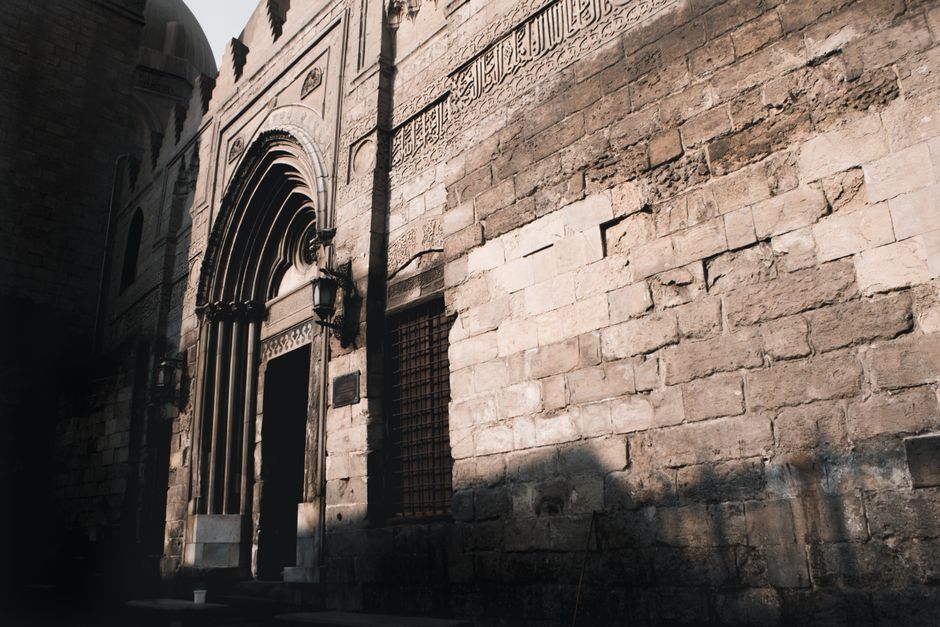
Khan El-Khalili remains Cairo's most famous market, stretching through medieval Islamic Cairo near Al-Azhar Mosque. Expect tourist pricing here: a basic cotton scarf runs 80–150 Egyptian pounds, while a kilogram of quality saffron sits around 2,500–3,500 pounds. Bargaining is expected, particularly for jewellery and antiques. Many vendors will happily drop prices by 20–30 percent if you show genuine interest and patience. The atmosphere is intoxicating, but arrive early—before 10 a.m.—to avoid the thickest crowds and find vendors in better moods.
For serious savings, head to Attaba, just south of downtown. This sprawling wholesale district caters primarily to retailers and serious shoppers, where prices drop dramatically. Fabric vendors here sell cotton by the metre for 15–40 pounds, compared to Khan El-Khalili's 80–120. The trade-off: it's less touristy, more aggressive, and you'll need cash. Women should dress conservatively and travel with a local or in groups.
The Ramses Street textile corridor offers a middle ground—better prices than Khan El-Khalili without Attaba's intensity. Here, quality Egyptian cotton clothing costs 100–200 pounds versus the tourist-zone markups of 300–500 pounds. Spice markets clustered near Bab El-Bahr stock everything from hibiscus and cumin to frankincense, with prices roughly half what tourist-oriented shops charge.
Essential tips before you go: bring small bills (1,000 and 500-pound notes are most useful), as many vendors struggle with change. Most markets close by early evening and on Sundays. Don't expect credit cards—cash only rules. Pickpocketing happens; keep bags zipped and valuables close. A litre of bottled water costs 3–5 pounds; stay hydrated.
Mobile money platforms like Fawry and Vodafone Cash are increasingly accepted at larger stalls, though smaller vendors resist them. Photography is sometimes discouraged, particularly in spice and textile wholesale areas—always ask first.
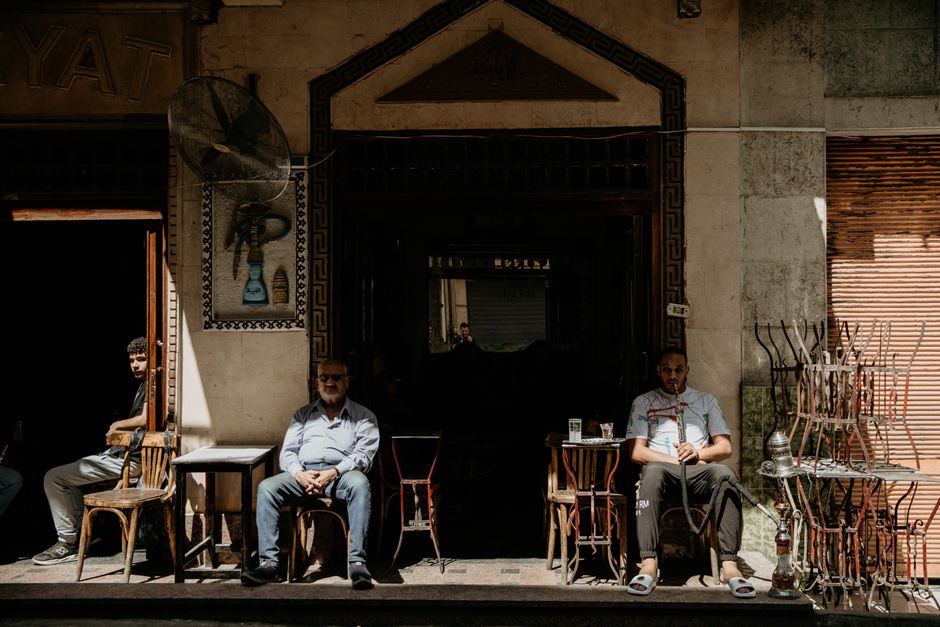
The psychological bargain: Cairo's markets operate on relationship-building. Your first price is a conversation starter, not a final offer. Sit for tea, ask questions, show respect for craftspeople's work. Prices typically settle 30–40 percent below initial asking prices, depending on your negotiating skills and the vendor's assessment of your sincerity.
Plan at least three hours for any serious market visit. Cairo's bazaars reward patience, cultural awareness, and a genuine interest in the goods—not just speed-shopping.
This article was compiled by AI and screened before publishing. See our editorial standards.
How does this story make you feel?
Spread the word
About this article
Published by The Daily Cairo
Daily brief
Free, in your inbox before 7am. Weekdays.
More in lifestyle