Why Cairo's Neighbourhood Culture Defies Every Global City Template
From spontaneous street markets to multigenerational family compounds, Cairo's residential fabric operates on rules that no other metropolis quite follows.
From spontaneous street markets to multigenerational family compounds, Cairo's residential fabric operates on rules that no other metropolis quite follows.
Walk through Zamalek on a Friday morning and you'll witness something foreign to Singapore's sterile business districts or Dubai's gated communities: entire families—grandparents, children, cousins—spilling onto balconies that overlook the Nile, conducting their week's social business in full public view. This is Cairo's secret urban advantage: neighbourhoods that function less as dormitories and more as open-air living rooms.
The city's residential character stems from a fundamental difference in how Cairenes inhabit space. Unlike the atomised flat-dweller culture of London or Tokyo, neighbourhoods here operate as extended ecosystems where the bakery owner knows your family history, the corner grocer extends credit through quiet nods, and street vendors become de facto community anchors. In Garden City, professionals earning 8,000–15,000 EGP monthly still live in mixed-income buildings where their doorman's nephew sells newspapers downstairs. This vertical social mixing doesn't exist in most comparable cities.
The economic reality enforces this. While a two-bedroom apartment in Heliopolis averages 3,500–5,000 EGP monthly, the price includes something developers in Cairo's competitor cities cannot manufacture: organic street life. Maadi's tree-lined avenues host impromptu evening gatherings where neighbours who've known each other for decades discuss everything from neighbourhood infrastructure to children's university prospects. Compare this to the algorithmic isolation of Dubai's gated compounds or the commuter-belt anonymity of London's suburbs.
Cairo's neighbourhoods also refuse standardisation. Mohandessin blends university students in shared flats with established families in belle époque villas, creating genuine intergenerational cross-pollination. The Gezira Sporting Club remains an institution where three generations have carried the same membership number. This continuity—families staying in neighbourhoods for decades—creates social infrastructure that cannot be replicated in globally mobile cities where residents cycle through every five years.
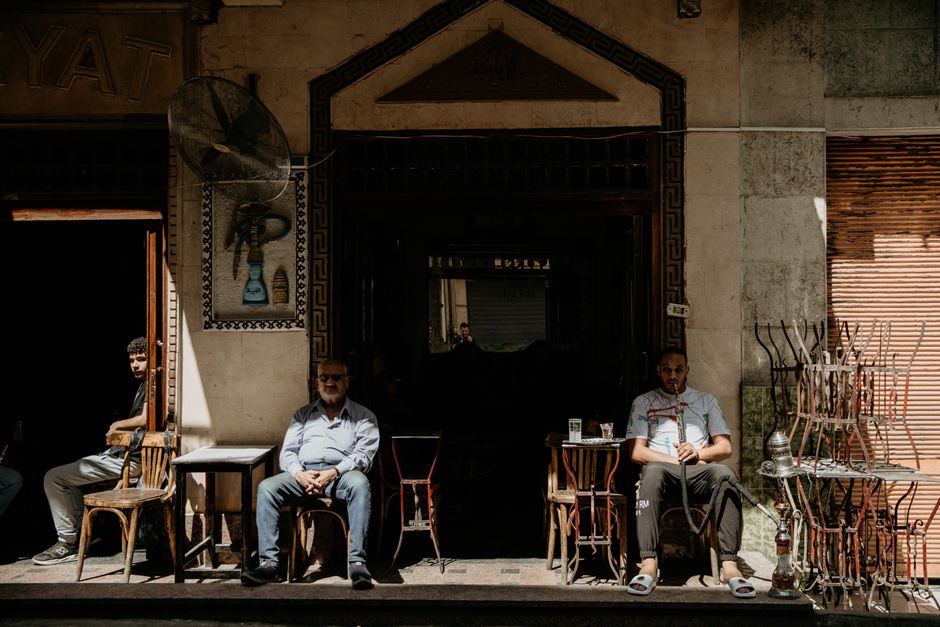
The informal economy that threads through every Cairo neighbourhood adds texture missing elsewhere. Helwan's coastal communities maintain fishing families alongside white-collar workers. Street carts selling koshari, falafel, and fresh sugarcane juice aren't quaint tourist attractions here—they're the circulatory system of neighbourhood life. A worker in New Cairo's tech sector will still queue for lunch at the same corner vendor their parents frequented.
This isn't romantic decline; it's structural difference. Cairo's neighbourhoods prove that global cities don't require homogeneity. They require what Cairo has always possessed: overlapping social worlds, genuine street presence, and the assumption that your building is where community happens, not just where you sleep.
This article was compiled by AI and screened before publishing. See our editorial standards.
How does this story make you feel?
Spread the word
About this article
Published by The Daily Cairo
Daily brief
Free, in your inbox before 7am. Weekdays.
More in lifestyle