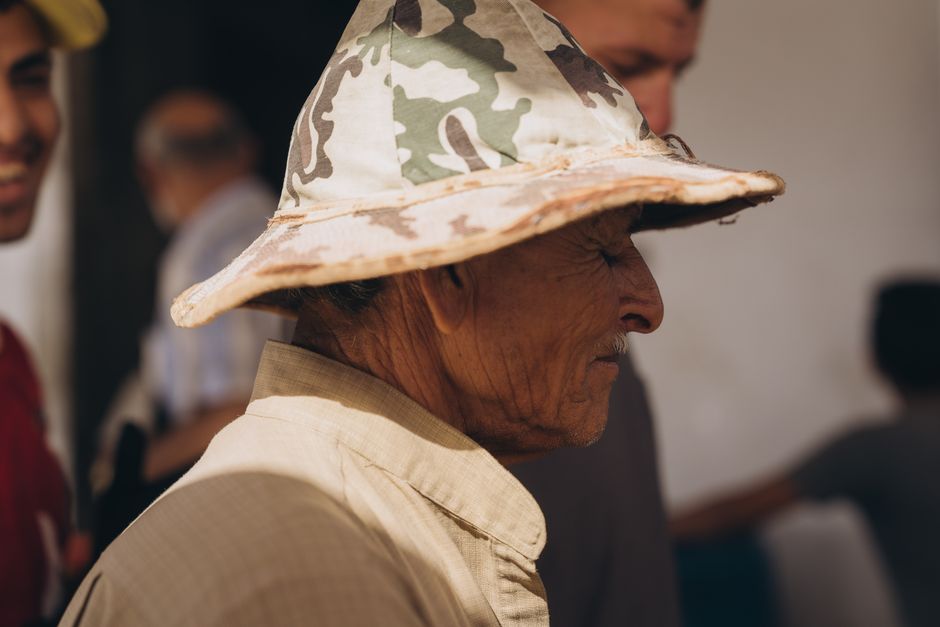
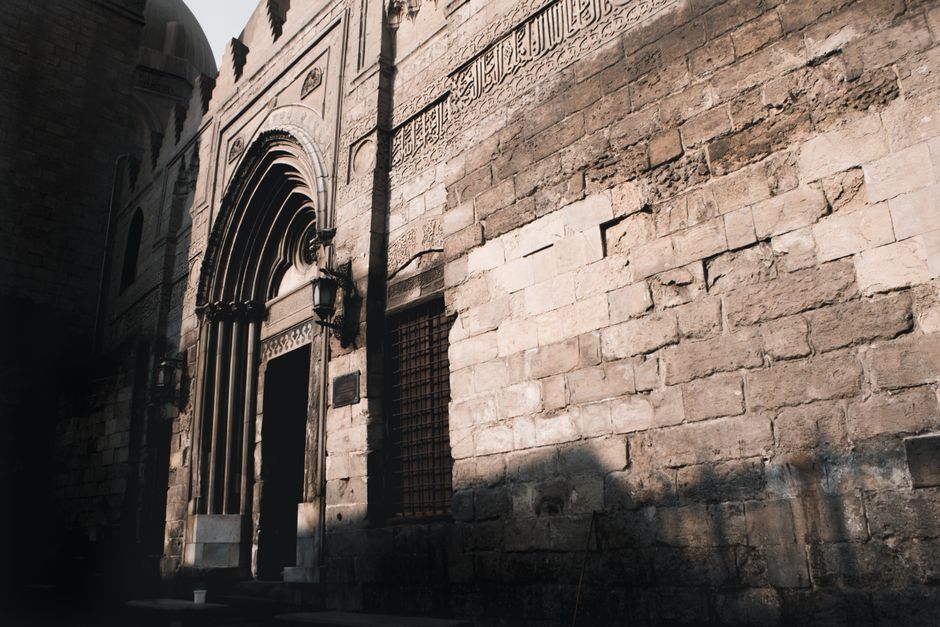
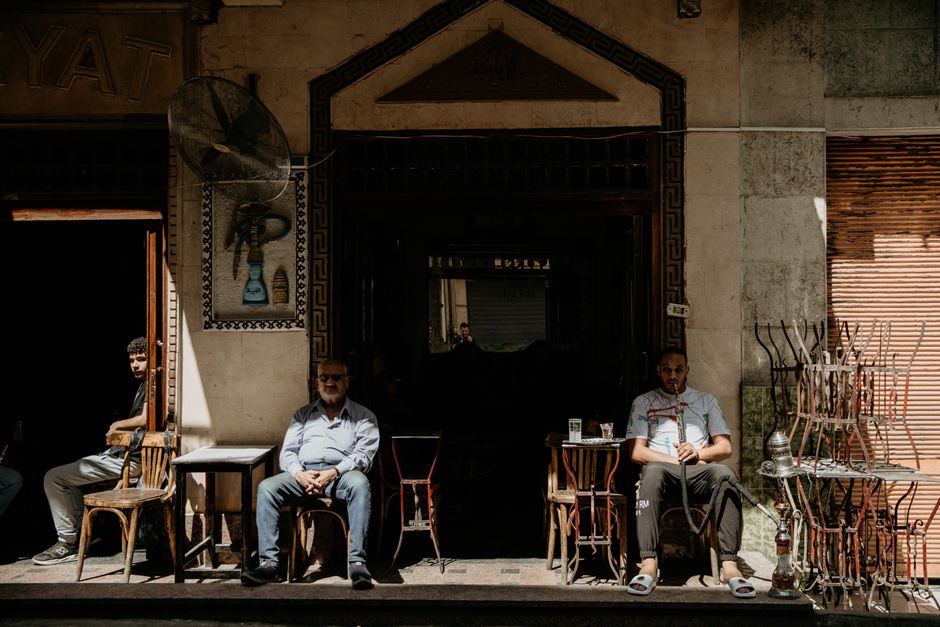
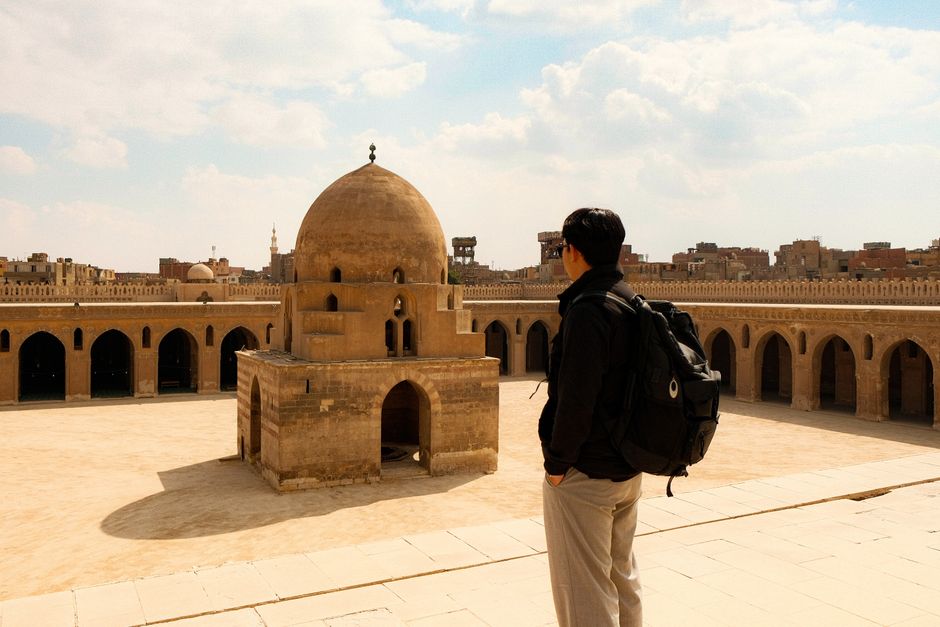
Every Friday morning, Fatima Khalil arranges pyramids of dried hibiscus and chamomile flowers in the same corner of Khan el-Khalili that her grandfather claimed in 1967. At 62, her weathered hands move with the practiced rhythm of someone who has spent four decades greeting tourists and locals alike—a living archive of Cairo's commercial heritage that no guidebook can capture.
"People come back to me because they remember my face, not just the price," Khalil explained, adjusting her indigo headscarf while a young couple haggled over kilo rates. Around her, dozens of merchants operate within meters of one another, yet her stall draws repeat customers from as far as Helwan and the New Administrative Capital—a testament to a retail culture built on personality and trust rather than corporate branding.
This pattern repeats across Cairo's market ecosystem. In the textile bazaars of Sayyida Zainab, Omar Hassan—who inherited his father's cottons and linens business—has spent 35 years learning to read customers before they know what they want. His knowledge of seasonal demand, fabric quality variations between Indian and Egyptian suppliers, and his willingness to negotiate on items under 200 pounds has earned him a customer base representing at least four family generations.
Downtown Cairo tells a different story. Along Talaat Harb Street and surrounding lanes, a younger generation of retailers—many university-educated—has begun reinventing traditional commerce. Noor El-Din, 31, manages a family-owned accessories shop that has evolved from her grandmother's street vending operation in the 1970s. She now integrates digital payment systems while maintaining the personal touch her grandmother pioneered, creating a hybrid retail space that resonates with Cairo's smartphone-savvy youth without alienating older patrons.
The economic pressures are real. Inflation has pushed average market trader incomes down nearly 18% since 2022, according to informal trader surveys. Many younger generation Egyptians pursue retail careers reluctantly, yet those who commit discover something their international e-commerce counterparts never find: a direct human relationship that transforms commerce into community.
Cairo's markets thrive not because of architectural grandeur or product novelty, but because they are staffed by individuals whose faces, memories, and character become inseparable from the goods they sell. In an era of algorithmic retail, Khan el-Khalili and its sister markets represent something increasingly precious—a commerce that knows your name.
This article was compiled by AI and screened before publishing. See our editorial standards.