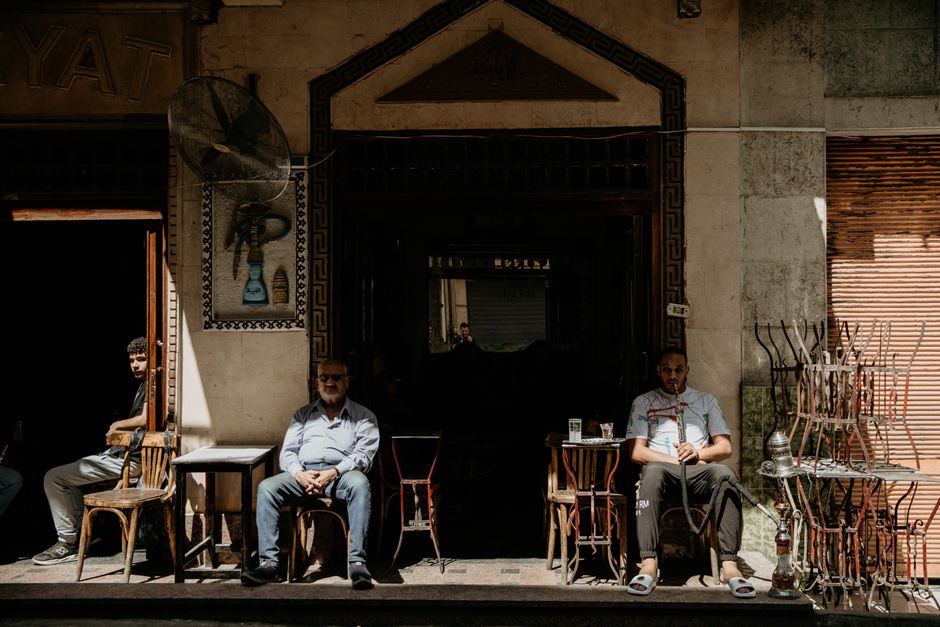
Walk through the leafy streets of Zamalek on any afternoon and you'll witness something increasingly rare in London, New York or Sydney: three generations navigating life together. Grandmothers accompany school runs along Sharia Gezira, aunts collect children from international schools in Sheikh Zayed, and extended family dinners in Garden City remain non-negotiable weekly commitments. This multigenerational ecosystem, deeply woven into Cairo's social fabric, represents perhaps the most distinctive—and increasingly envied—aspect of family life in the city.
Unlike parents in most global megacities, Cairo's middle-class families rarely outsource childcare entirely to hired help or institutional daycare. Instead, a fluid network of relatives shares responsibilities. Fatima, a mother of two who works in publishing in Downtown Cairo, exemplifies this model: her mother collects her children from the American University in Cairo's prep school while Fatima remains in the office until 6 p.m. Her sister helps with weekend tutoring in their Heliopolis apartment. The arrangement costs a fraction of what London parents pay for nannies and nurseries—typically £200-400 monthly for domestic help—while providing children with consistent adult attention and cultural transmission.
This approach has measurable consequences. Cairo's private school sector—comprising institutions like Cairo American School, Modern English School, and the British International School—reports stronger family engagement metrics compared to comparable international schools in Dubai or Singapore, where expatriate parents often rely on boarding arrangements or single-parent responsibility. Teachers here expect regular contact with multiple family members, not just mothers.
Yet Cairo's system faces mounting pressures. Rising housing costs push younger families toward distant suburbs like New Cairo and Sheikh Zayed, fragmenting the geographic proximity that made multigenerational childcare seamless. Traffic congestion along the Corniche and Ring Road transforms 20-minute journeys into hour-long ordeals. As more Egyptian women enter professional careers—women now comprise 27% of Egypt's formal workforce—the traditional time-flexibility of grandparent caregiving strains under competing demands.
International schools are responding by adjusting schedules and introducing evening programs to accommodate working families. Yet the underlying advantage persists: Cairo's children absorb Arabic colloquialisms, family recipes, and historical narratives from elders in ways their peers in atomized Western cities cannot easily replicate. When a grandmother teaches a granddaughter to make koshari in Mohandiseen or a grandfather shares stories in a Dokki living room, something irreplaceable transfers—a continuity that money cannot buy elsewhere.
As global cities increasingly confront childhood isolation and parental burnout, Cairo's model offers an instructive reminder: sometimes the most progressive approach to family life looks decidedly traditional.
This article was compiled by AI and screened before publishing. See our editorial standards.