Zamalek Cairo's Renaissance: Why Locals Are Returning
Discover how Zamalek and Garden City are becoming Cairo's most vibrant neighbourhoods. Explore new cafés, bookshops, and why young families are choosing riverside living in 2024.
Discover how Zamalek and Garden City are becoming Cairo's most vibrant neighbourhoods. Explore new cafés, bookshops, and why young families are choosing riverside living in 2024.
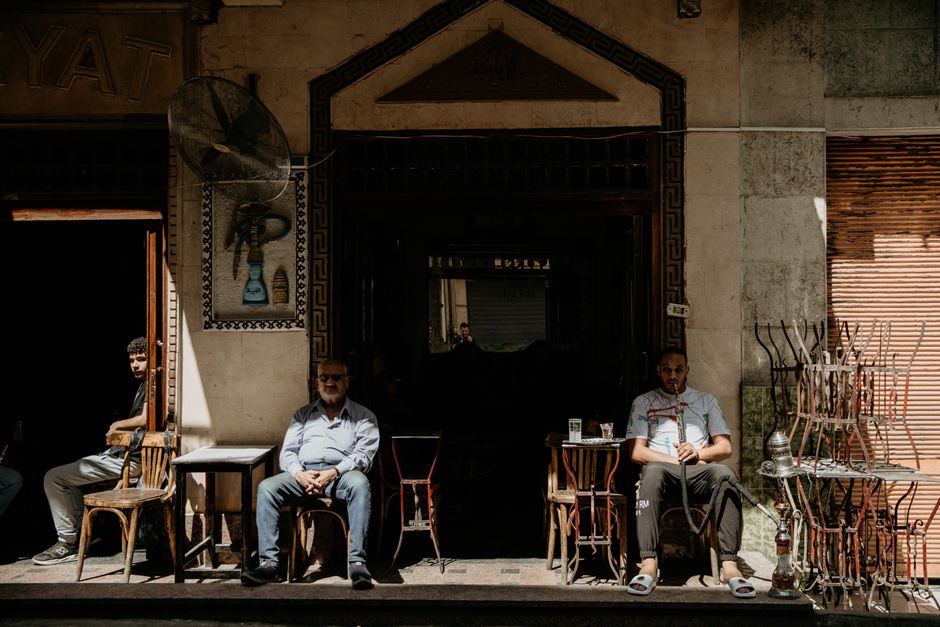
Walk down 26th of July Street in Zamalek on a Friday evening and you'll notice something that felt impossible five years ago: locals lingering. Cafés spill onto pavements. Bookshops stay open past nine. Families push strollers without dodging construction debris. The neighbourhood, long dismissed as aging and increasingly residential, is experiencing a genuine—if understated—revival.
The shift began quietly in 2024 when the Gezira Island Development Initiative, a community-led effort, successfully lobbied for street-level improvements and better maintenance. "We weren't waiting for government projects," explains the movement's philosophy. What followed was organic: independent bookshop Dar al-Kotob expanded its Zamalek location. Three new neighbourhood cafés opened within walking distance of the Gezira Club. The British Council revitalised its cultural programming. By early 2026, property interest in the area had surged 18 percent year-on-year, according to local real estate data.
Garden City experienced a parallel transformation. This historically prestigious neighbourhood—home to embassies, universities, and old Cairo money—had become insular and tired. But recent pedestrianisation projects along Saray al-Gezira Street, combined with new independent galleries converting heritage villas into cultural spaces, shifted perceptions dramatically. The neighbourhood now hosts monthly art walks and hosts three emerging galleries within a five-block radius.
What's driving locals back? Partly exhaustion with perpetually chaotic central areas like Heliopolis and Maadi. Partly the genuine infrastructure improvements—better street lighting, pavement repairs, rubbish collection that actually functions. But mostly, it's community. Young professionals, artists, and established families have deliberately chosen these neighbourhoods, creating the critical mass needed for independent businesses to thrive.
Property prices reflect the mood: Garden City apartments now command 12,500-18,000 EGP per square metre, up from 9,000-12,000 two years ago. Zamalek rents for three-bedroom apartments hover around 6,000-9,000 EGP monthly—expensive by Cairo standards, but reasonable for the neighbourhood's improving quality of life.
The renaissance remains fragile. Infrastructure challenges persist. Water pressure issues and occasional power cuts remind residents why middle-class Cairo has historically fled to gated compounds. Yet something has shifted. These neighbourhoods no longer feel like museums of old money or warehouses for the resigned. They're becoming places where people want to build lives—where the combination of history, community investment, and genuine urban amenity is finally, tentatively, paying dividends.
For Cairo residents tired of car-dependent sprawl and gated monotony, Zamalek and Garden City offer something rarer than ever: authentic neighbourhood life in a city that's forgotten how to build it.
This article was compiled by AI and screened before publishing. See our editorial standards.
How does this story make you feel?
Spread the word
About this article
Published by The Daily Cairo
Daily brief
Free, in your inbox before 7am. Weekdays.
More in lifestyle