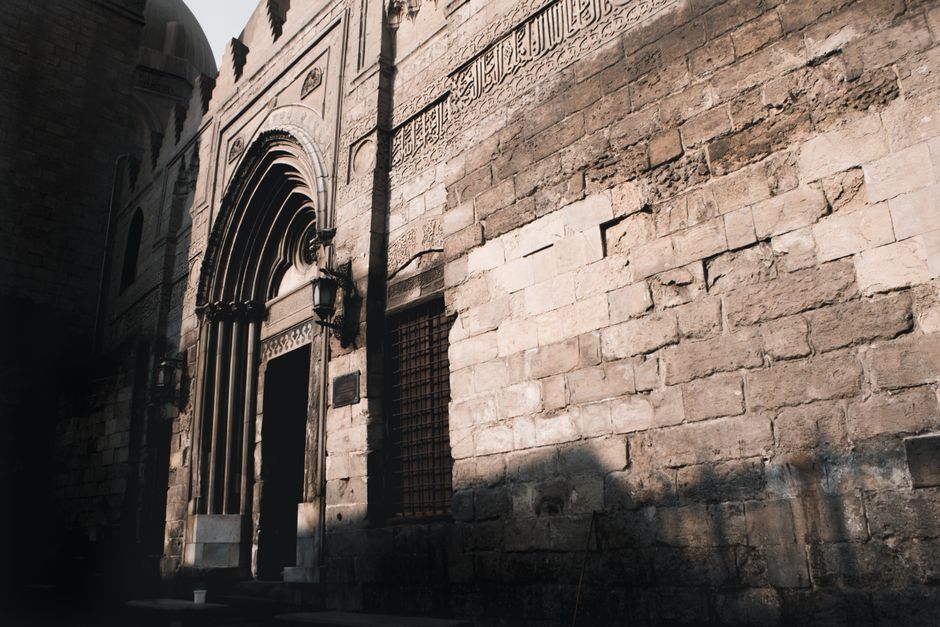
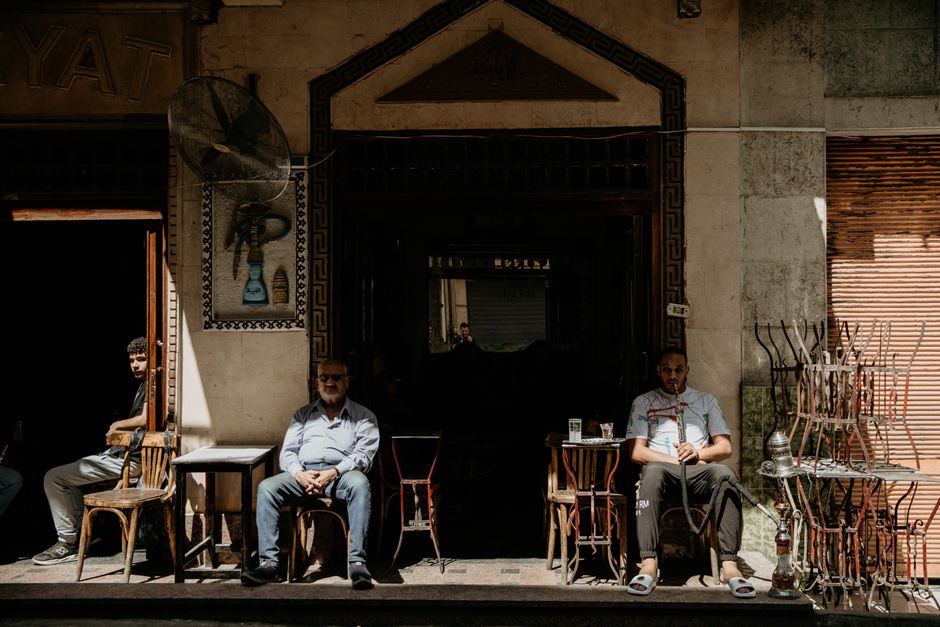
Walk into Khan el-Khalili on a Tuesday morning, before the coach tours arrive, and you'll witness something foreign visitors rarely see: a functioning neighbourhood marketplace where shopping is merely the surface transaction beneath deeper currents of community.
The medieval souk, sprawling across Downtown Cairo's historic heart, pulses with a rhythm entirely its own. Unlike the sanitised retail experiences of City Stars or New Cairo's malls, Khan el-Khalili operates on accumulated trust and generational relationships. Merchants here—many running family businesses spanning decades—know their regulars by name, their preferences, their budgets. A widow browsing spice stalls at the Spice Market's northern edge receives greetings from three vendors before she's walked ten metres. This is retail as social infrastructure.
The character emerges in granular details. At the textile quarter near Bab el-Ghouriya, prices remain negotiable—not as tourist performance but as genuine economics reflecting each customer's circumstances. A university student purchasing fabric for a thesis project pays differently than a wealthy woman from Zamalek selecting materials for home renovation. The merchant adjusts accordingly, understanding that sustainable community means repeat business across economic strata.
Jewellery Street (Sikkat el-Sagha) epitomises this blend of commerce and connection. While gold prices fluctuate with international markets—currently hovering around 3,500 EGP per gram—the neighbourhood's true value lies in its gossip networks and celebration coordination. Merchants serve as unofficial community organisers, their shops becoming referendum points where engagements are announced, business partnerships forged, and life milestones acknowledged.
The vegetable and fruit markets in the surrounding streets—particularly those clustering near Ahmad Maher Street—tell stories about Cairo's seasonal rhythms and immigrant communities. Sudanese vendors operate alongside Egyptian farmers; Lebanese produce sits adjacent to local goods. The marketplace becomes a daily documentation of Egypt's evolving demographics and culinary fusion.
What distinguishes these traditional markets from modern retail chains isn't merely authenticity—a often-weaponised marketing term. It's structural. When a merchant has invested three generations in a twelve-square-metre shop, customer relationships become long-term assets. The pressure to maximise quarterly returns evaporates. Instead, a shopper might receive advice that reduces their purchase—genuine counsel that builds loyalty worth far more than a single transaction.
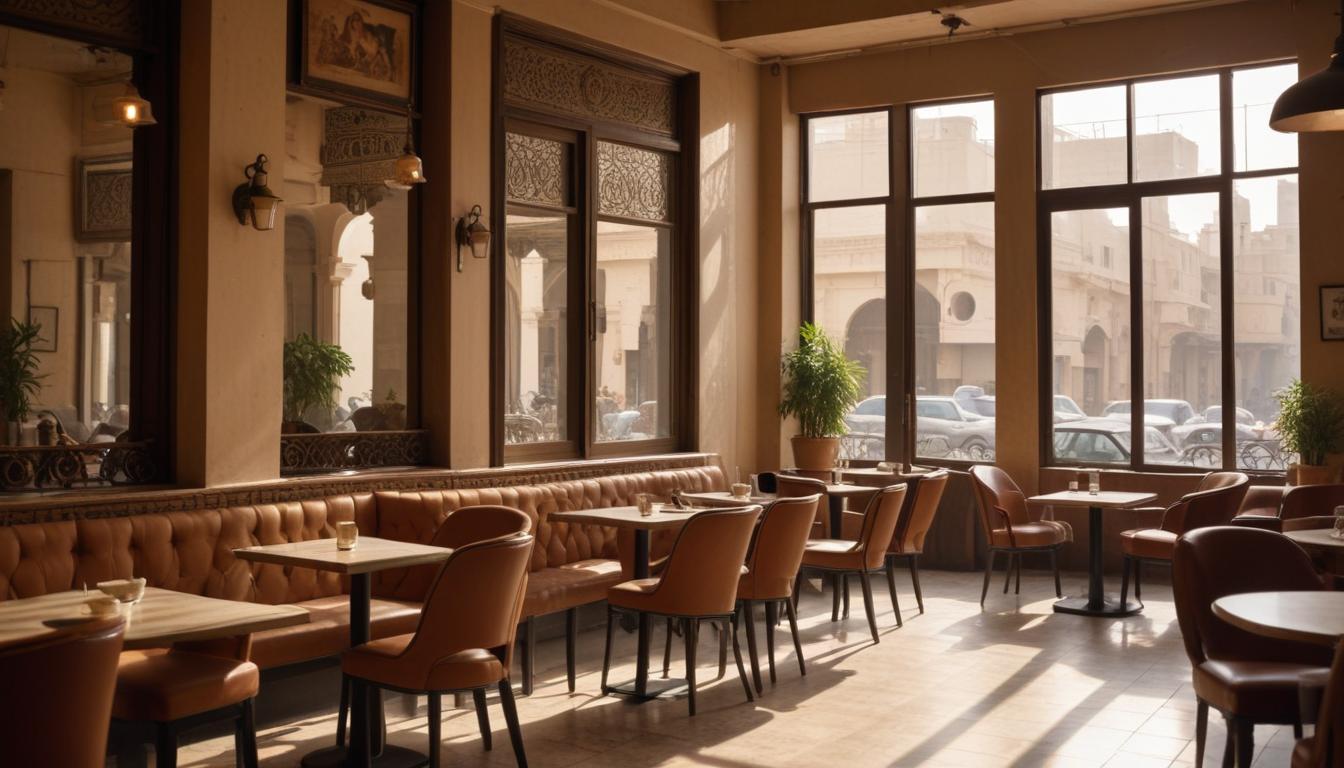
Younger Cairenes increasingly recognise this value. Instagram-worthy cafés now cluster nearby, attracting neighbourhood explorers seeking authentic experience. Yet the markets themselves remain largely unchanged, indifferent to external validation. They simply continue their work: providing goods, maintaining social bonds, and proving that the most sophisticated retail experience remains fundamentally human.
This article was compiled by AI and screened before publishing. See our editorial standards.