The Faces Behind Cairo's Bazaars: Where Every Stall Tells a Story
From Khan El-Khalili to the neighbourhood souks of Zamalek, meet the merchants and craftspeople keeping Cairo's retail soul alive.
From Khan El-Khalili to the neighbourhood souks of Zamalek, meet the merchants and craftspeople keeping Cairo's retail soul alive.
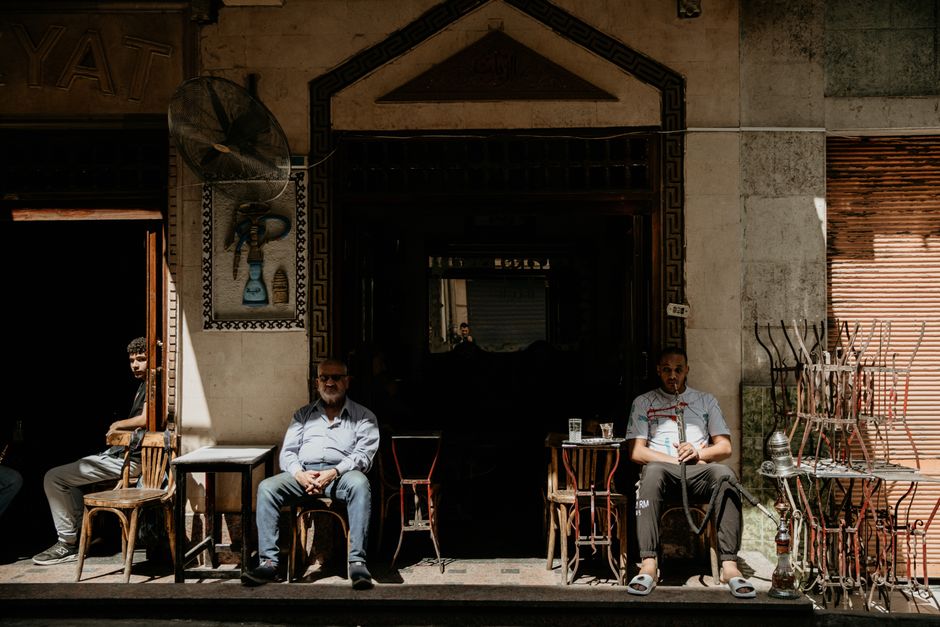
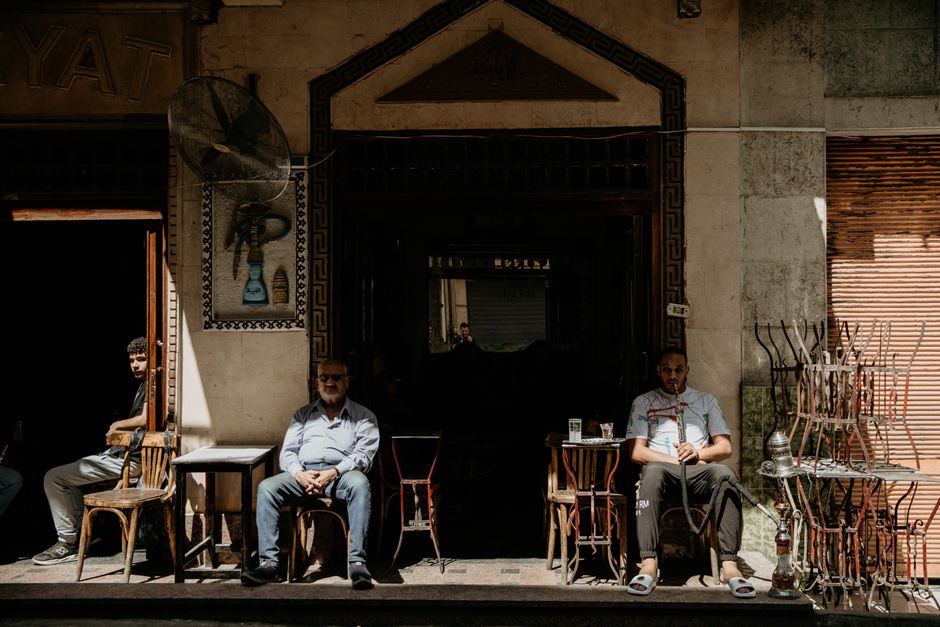
Walk through Khan El-Khalili on a Tuesday morning and you'll witness something the guidebooks rarely capture: the quiet rituals of a city's working heart. Vendors arrange copper vessels with mathematical precision, tea sellers position themselves at corners they've occupied for decades, and shoppers move through narrow lanes with the ease of muscle memory. These aren't just transactions happening here—they're relationships being maintained across generations.
The statistics tell part of the story. Cairo's informal retail sector employs an estimated 2.3 million people, with family-run establishments accounting for roughly 78 percent of small businesses in traditional markets. But numbers flatten the reality. They don't capture Umm Ahmed, who has sold handwoven textiles from the same stall near Bab El-Futuh for 34 years, or the young entrepreneur in Zamalek who pivoted her family's carpentry business into bespoke furniture design when foot traffic shifted during the pandemic.
The retail landscape here is changing, though not erasing. Modern shopping malls cluster around New Cairo and the Nile Corniche, drawing younger demographics with climate control and international brands. Yet traditional markets continue thriving—Khan El-Khalili recorded approximately 12 million visitors annually pre-2020, a figure creeping back upward. The difference now? Stall owners are adapting. Some have embraced Instagram, photographing their leather goods and spice blends for diaspora communities worldwide. Others have expanded into complementary services: gift wrapping, custom orders, WhatsApp catalogues.
Visit the spice markets in Islamic Cairo and you'll meet merchants whose families have traded in saffron, cumin, and fenugreek since Ottoman times. Prices hover around 150-400 Egyptian pounds per kilogram for premium spices, depending on quality and sourcing. But the real value lies elsewhere—in the advice freely given, the trust extended to regular customers, the ability to special-order ingredients for specific recipes.
In neighbourhood souks across Heliopolis and Dokki, independent retailers are reinventing themselves. Vintage bookshop owners curate collections with scholarly care. Clothing vendors who once sold only imported wholesale goods now scout local designers, creating platforms for emerging makers. A small cosmetics stall on Talaat Harb Street transformed into a consultation hub, where the owner—trained informally through decades of customer service—helps women find products suited to Cairo's climate and skin tones.
This is retail as community infrastructure, where shopping means something deeper than consumption. These faces, these stories, these small acts of adaptation—they're what distinguish Cairo's markets from generic commercial spaces anywhere on Earth.
This article was compiled by AI and screened before publishing. See our editorial standards.
How does this story make you feel?
Spread the word
About this article
Published by The Daily Cairo
Daily brief
Free, in your inbox before 7am. Weekdays.
More in lifestyle