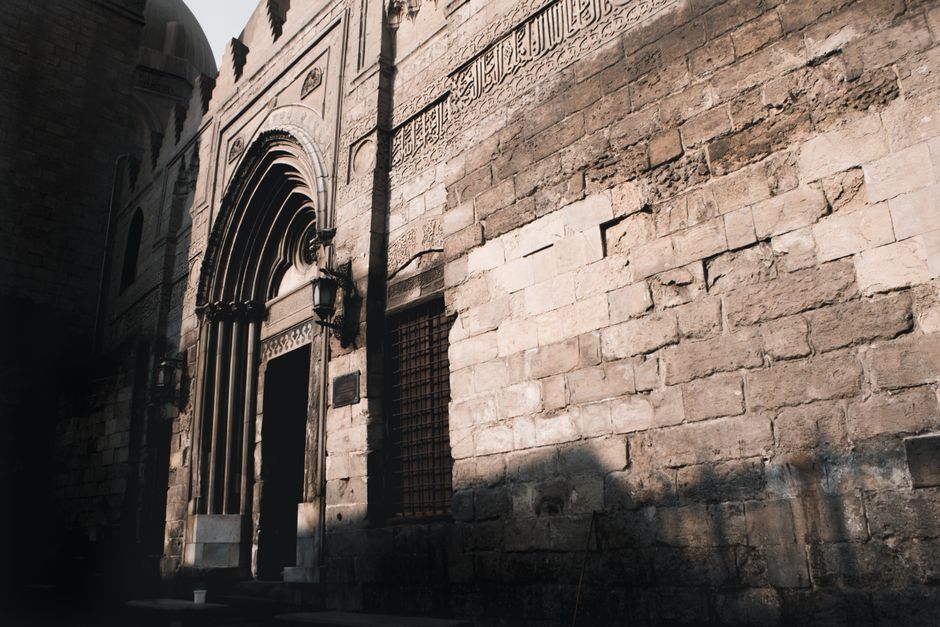
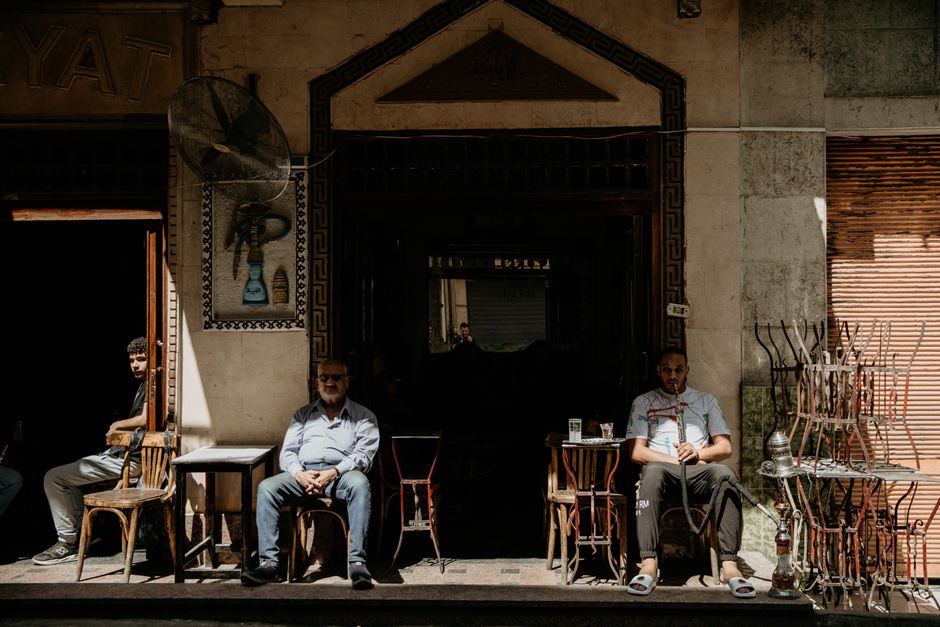
Walk down Talaat Harb Street on a Friday night in 2026 and you'll notice something that felt impossible just three years ago: packed bars, queues at entrances, and a genuine sense of anticipation. Cairo's nightlife scene—long dormant under pandemic restrictions and economic uncertainty—has experienced a remarkable revival that's catching even veteran bar-goers by surprise.
The shift began quietly in early 2025 when Cairo's municipal authorities streamlined liquor licensing procedures, reducing approval times from six months to roughly eight weeks. This bureaucratic thaw opened the floodgates. More than 40 new establishments have launched across Garden City, Zamalek, and Downtown since January, with another two dozen in planning stages. Prices have remained competitive too: craft cocktails average 120-180 Egyptian pounds, while imported beers hover around 70-95 pounds—significantly more accessible than comparable venues in Dubai or Beirut.
But infrastructure changes alone don't explain the phenomenon. What's really transformed the scene is generational. Cairo's 25-to-35 demographic—many of whom studied abroad or work in tech and media—have returned with different expectations. They're demanding better mixology, curated music, and social spaces that function beyond the traditional tourist-focused establishments that dominated before.
Venues like those clustering around the newly renovated Mohamed Mahmoud Street corridor exemplify this shift. Gone are the sticky floors and karaoke machines of yesteryear; in their place are minimalist speakeasies, rooftop bars with actual design consideration, and intimate wine lounges. The Nile-side districts have seen particular investment, with several new riverside lounges capitalizing on the city's architectural heritage while offering thoroughly modern experiences.
Live music has returned too. The Egyptian Musicians Syndicate reported licensing 27 new performance spaces in the past 18 months, with everything from jazz trios to indie rock bands now regular fixtures. Attendance at live events has exceeded pre-pandemic levels by approximately 35 percent, according to venue operators interviewed for this piece.
What locals genuinely seem to love—beyond the obvious pleasure of going out—is reclaiming nightlife as fundamentally Egyptian, rather than something imported or apologetic. Playlists blend Arabic classics with contemporary global hits. Menus feature locally-sourced spirits alongside international standards. There's a sense that Cairo's bar scene is finally grown into itself, confident and creative rather than imitative.
The economic recovery certainly helps. But what's truly shifted is confidence—both from business owners willing to invest and from Cairenes ready to celebrate their city after years of caution. The result is a nightlife scene that feels genuinely alive for the first time in a generation.
This article was compiled by AI and screened before publishing. See our editorial standards.