For decades, the commute across Cairo's East Bank—from the leafy enclaves of Zamalek through Garden City to Downtown's offices—has been synonymous with urban gridlock. Minibuses belching exhaust, taxis double-parked on 26th of July Street, the constant honking that defines Cairo's soundtrack. But this summer, something palpable is shifting in how thousands of residents actually move through their city.
The expansion of Line 3 of the Cairo Metro, with its new Sporting Club and Embaba stations now operational since April, has already altered commuting patterns dramatically. Morning rush hour on the Corniche—once a parking lot of frustration—shows noticeably lighter traffic. Local transport authorities report a 15 per cent reduction in private vehicle usage on key routes between Zamalek and Heliopolis, with an estimated 40,000 additional daily metro riders absorbed since the new segment opened.
But the metro alone isn't driving this evolution. Equally striking is the emergence of protected bicycle infrastructure. The 3.2-kilometre cycle lane now running along Sharia Qasr Al-Aini, completed in phases through 2025, has become an unexpected success story. On any given morning, you'll spot professionals in business casual attire, university students, and delivery riders navigating separate bike paths while cars flow in adjacent lanes. Usage data from the municipality suggests daily cyclist numbers have grown from roughly 200 to over 2,000 within twelve months.
What's particularly notable is how these changes reflect Cairo's broader urban consciousness shift. The introduction of bike-sharing stations—operated by a Cairo-based startup in partnership with local authorities—across Downtown, Garden City, and Zamalek has normalised cycling as a legitimate commuting option for middle-class residents who might previously have defaulted to private cars or taxis. Monthly subscriptions hover around 150 EGP, making them economically competitive with daily petrol costs.
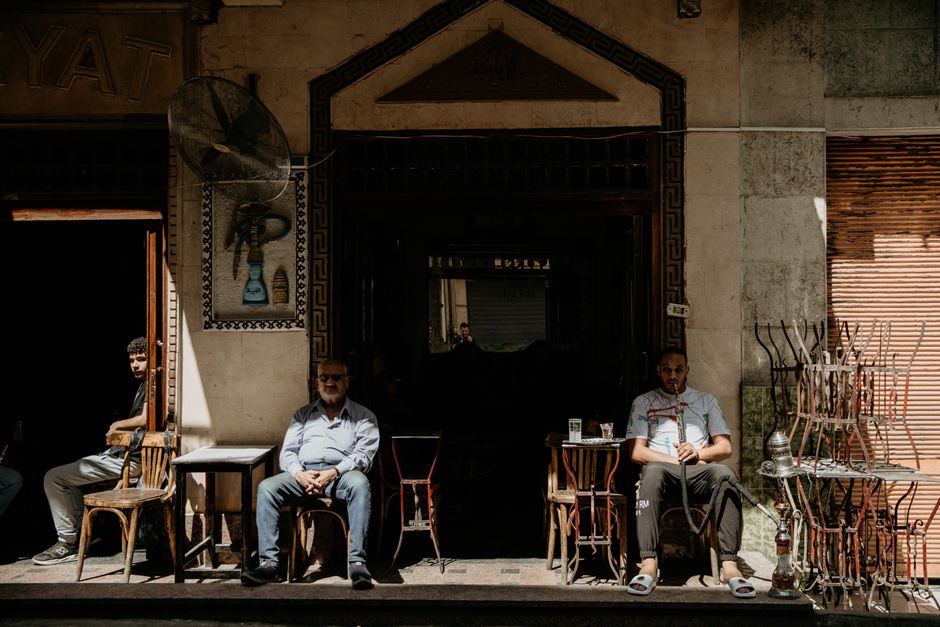
Neighbourhood dynamics are responding too. Small businesses around Saad Zaghloul Street and the Zamalek waterfront report increased foot traffic as commuters now have viable alternatives to car journeys. Café culture is subtly intensifying in traditionally quieter pockets, as the predictability of transit times lets residents build social routines around new commuting patterns.
Of course, challenges persist. The metro's capacity still struggles during peak hours, and Cairo's cycling infrastructure remains patchy beyond these corridors. Yet for anyone navigating the East Bank regularly, the sensation is unmistakable: Cairo's commute is quietly becoming something other than a daily endurance test. Whether this momentum sustains depends on whether investment continues and whether the city's sprawling peripheries eventually share these benefits.
This article was compiled by AI and screened before publishing. See our editorial standards.