Beyond the Guidebook: What Makes Zamalek's Community Soul Tick
An exploration of Cairo's most cosmopolitan island neighbourhood reveals how residents, expats, and longtime families have woven together a uniquely layered urban identity.
An exploration of Cairo's most cosmopolitan island neighbourhood reveals how residents, expats, and longtime families have woven together a uniquely layered urban identity.
Zamalek, Cairo's leafy island enclave wedged between the Nile's two channels, presents a paradox that longtime residents know well: it's simultaneously one of the city's most coveted addresses and a neighbourhood still grappling with its evolving identity. Walk along 26th of July Street on any given morning, and you'll encounter a microcosm of contemporary Cairo life—one that tells a more nuanced story than real estate brochures suggest.
The neighbourhood's character emerges most authentically in spaces beyond the obvious markers. At the weekly farmers market near the Gezira Club, Egyptian families haggle alongside expat professionals sourcing organic produce, creating an informal commons where class and nationality blur. The prices—roughly 50-80 Egyptian pounds per kilogram for seasonal vegetables—reflect Zamalek's middle-to-upper-class demographics, yet the social choreography remains distinctly Egyptian: animated, personal, transactional.
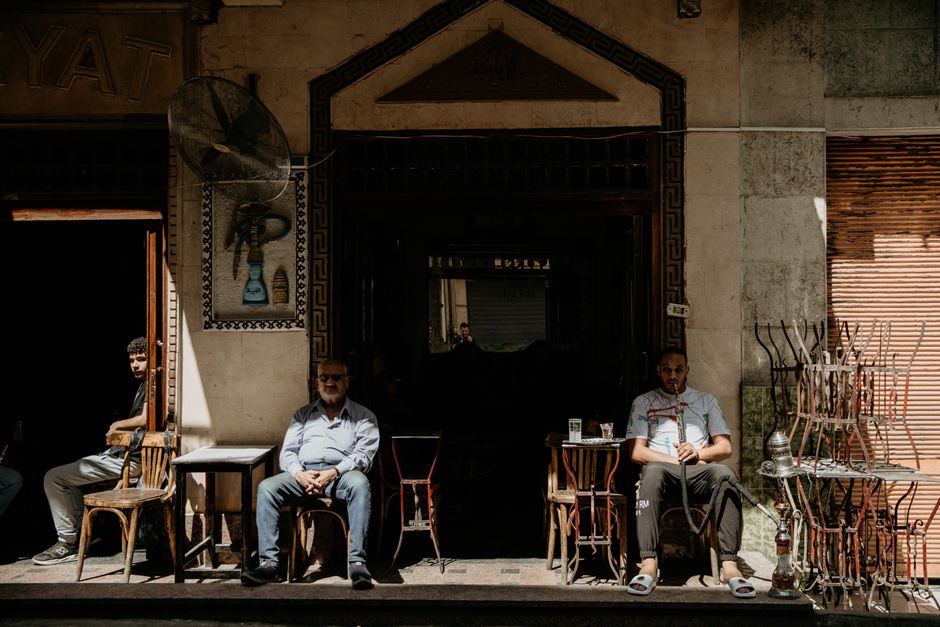
What defines Zamalek's community vibe is perhaps its tolerance for contradiction. The neighbourhood hosts everything from Al-Manara Mosque, where Friday prayers draw hundreds, to intimate wine bars tucked into converted villas. Art galleries cluster around Saray El Gezira Street, where independent Egyptian artists exhibit alongside international works. This coexistence—rather than segregation—shapes how residents experience their neighbourhood. A morning coffee at one of the numerous cafés along 21st Street might involve overhearing conversations in Arabic, English, French, and Italian simultaneously.
The community's backbone remains its networks. Residents gather at the Gezira Sporting Club, where membership costs approximately 25,000 EGP annually, but also at informal Thursday evening meetups at neighbourhood parks. WhatsApp groups coordinate everything from building maintenance grievances to neighbourhood safety initiatives. This hybrid formal-informal infrastructure reflects how Zamalek's residents—many of whom have stayed for decades—maintain belonging despite the neighbourhood's shifting demographics.
Housing stock ranges from Belle Époque villas commanding millions to modern apartment buildings, yet neighbourliness transcends these boundaries. Building doormen, who earn roughly 2,500-4,000 EGP monthly, function as unofficial community historians and connectors. They know whose family recently arrived, which residents need assistance, and where the neighbourhood's pulse actually beats.
What outsiders often miss is Zamalek's quiet resilience. Beyond its reputation as an enclave for Cairo's affluent, it functions as a genuine neighbourhood where people from varied backgrounds have negotiated a shared existence. That's its real character—not perfection, but an everyday commitment to cohabitation.
This article was compiled by AI and screened before publishing. See our editorial standards.
How does this story make you feel?
Spread the word
About this article
Published by The Daily Cairo
Daily brief
Free, in your inbox before 7am. Weekdays.
More in lifestyle