Walk down 26th of July Street in Zamalek on any Friday morning, and you'll find the neighbourhood's true pulse not in its gilded cafés, but in the community networks that have quietly transformed this island enclave over the past decade. What makes a Cairo neighbourhood work isn't always what appears in guidebooks—it's the everyday infrastructure of connection that keeps residents rooted.
Zamalek has emerged as a creative hub, with independent bookshops, artist studios, and small galleries clustering around side streets like Sharia el-Nil. The neighbourhood's demographic has shifted noticeably: young professionals now comprise roughly 40% of residents, drawn by the relative calm and walkability compared to central Cairo. Local community initiatives, including informal skill-sharing networks and pop-up markets near the American University in Cairo, have cultivated a distinctly bohemian flavour without sacrificing the neighbourhood's underlying stability.
Meanwhile, Garden City—historically Cairo's most exclusive address—is experiencing genuine social diversification. While villa prices remain stratospheric, the neighbourhood's public spaces have become genuinely mixed. The recently revitalised waterfront areas along the Nile now host regular evening gatherings where residents from neighbouring Bulaq and Downtown intersect with Garden City families. Street vendors, local pharmacies, and small restaurants have become anchors for authentic daily life rather than heritage attractions.
What's particularly notable is how neighbourhood identity now operates around practical community structures. Giza's Sheikh Zayed neighbourhood, despite rapid development, has maintained strong residents' associations that organise everything from street maintenance to security coordination. Such grassroots organisation—often invisible to outsiders—determines real quality of life far more than architectural grandeur.
The economics matter too. Average rental prices in Zamalek hover around 8,000-12,000 EGP monthly for modest apartments, pricing out working-class families but maintaining a professional middle-class core. Garden City remains exponentially more expensive, while emerging neighbourhoods like New Cairo's Fifth Settlement offer different trade-offs: newer infrastructure but longer commutes and less established community networks.
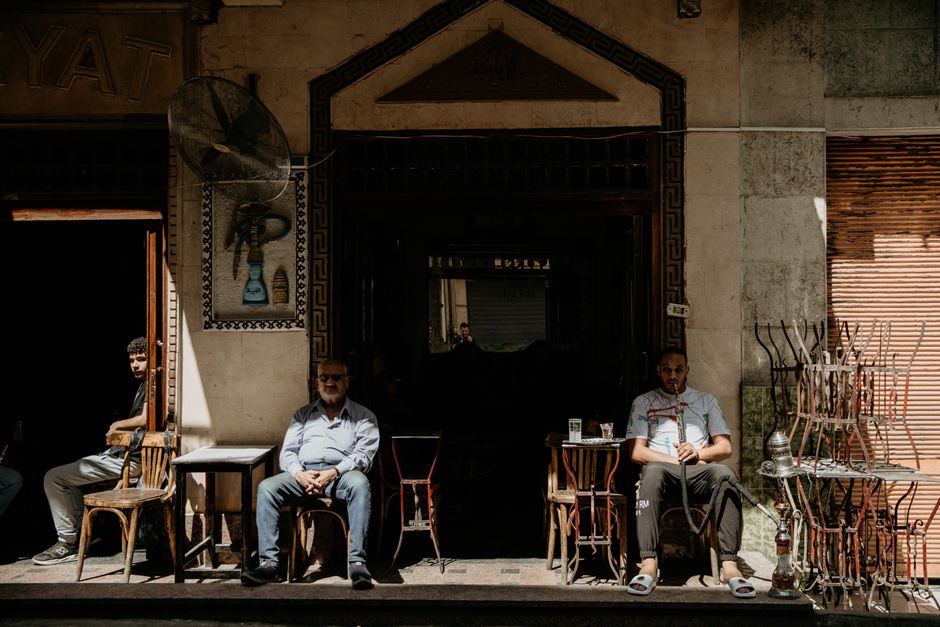
What unites these distinct neighbourhoods is an emerging emphasis on local connection—coffee shops where regulars actually know staff members, neighbourhood Facebook groups coordinating real resources, and incremental infrastructure improvements driven by resident advocacy rather than municipal mandate. This is where Cairo's neighbourhood character genuinely lives: not in Instagram moments, but in the accumulated trust and reciprocity that makes urban life sustainable.
This article was compiled by AI and screened before publishing. See our editorial standards.