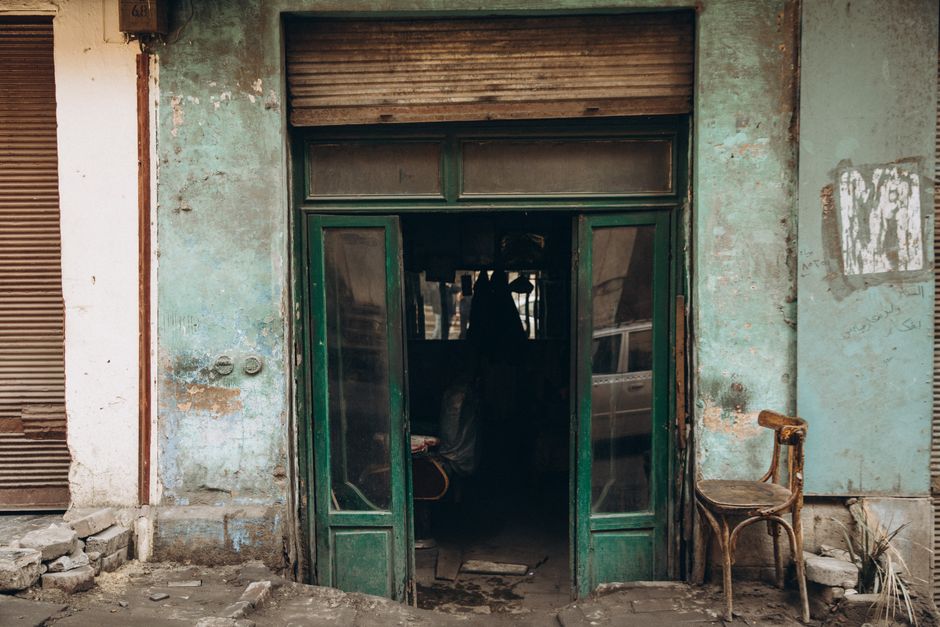
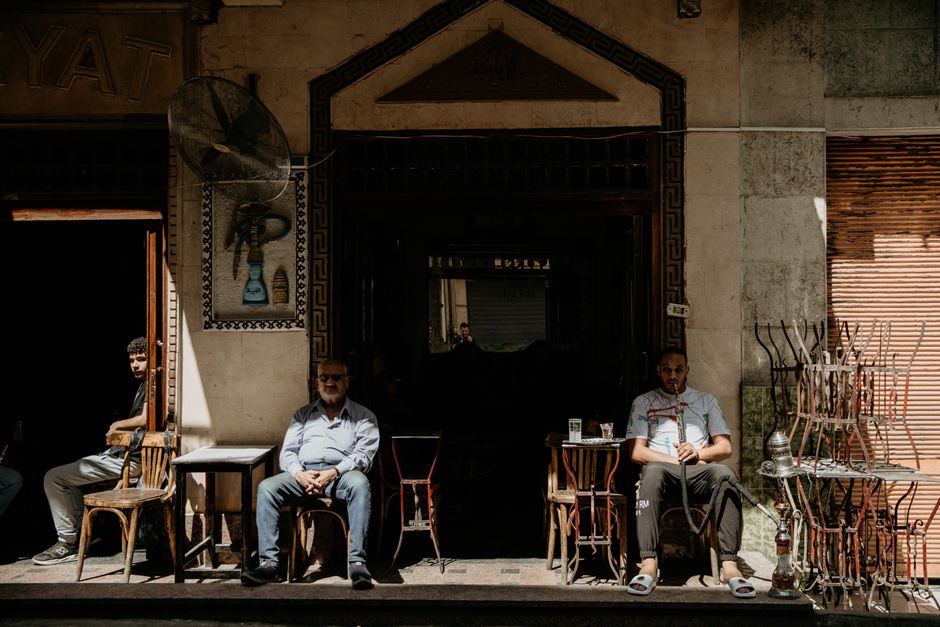
Walk through Zamalek on a Friday evening and you'll notice something missing from most global cities: silence punctuated by genuine human interaction. While neighbourhoods in London, Dubai, or Singapore hum with the efficiency of planned development, Cairo's island district—separated from the sprawling metropolis by the Nile—operates on rhythms that predate the smartphone era. Residents still gather in neighbourhood cafés like Fishawi along 26th July Street for hours-long conversations. There's no algorithm deciding your social life here.
This fundamental difference extends across Cairo's mosaic of communities. Garden City, developed in the early 1900s as a "garden suburb" concept, preserves something European planners intended but rarely achieved: human-scaled streets where a 15-minute walk connects you to a neighbourhood's entire social ecosystem. Compare this to the vertical isolation of Manhattan or the car-dependent sprawl of Los Angeles, and you glimpse what makes Cairo distinctive.
The economics tell their own story. A one-bedroom apartment in central Zamalek rents for roughly 3,000-5,000 Egyptian pounds monthly (approximately $100-165 USD)—a fraction of comparable neighbourhoods in any Western capital. Yet this affordability doesn't mean sacrifice. Heliopolis, built in the 1900s with Belle Époque architecture, offers tree-lined avenues, art deco mansions, and the Baron Palace (now a museum) within walking distance of modest family apartments. Neighbourhoods like Maadi retain golf clubs, international schools, and riverside gardens that would cost millions in London or Sydney.
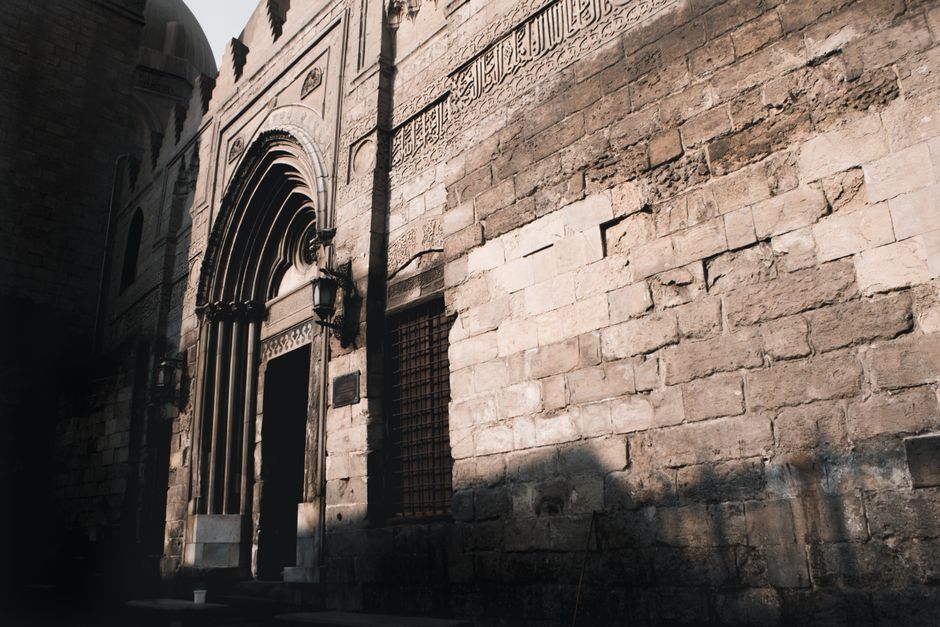
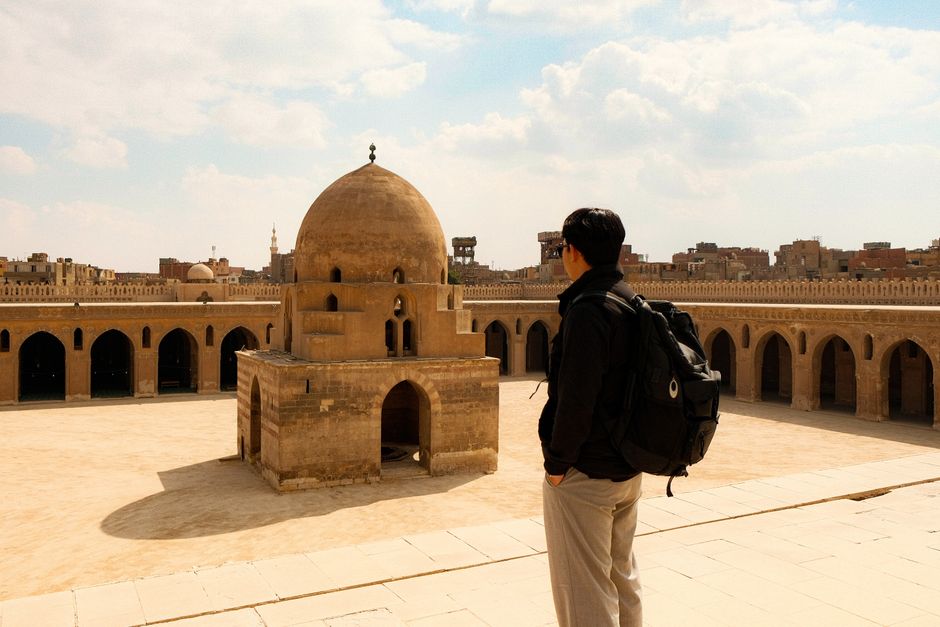
What truly distinguishes Cairo is how its neighbourhoods function as semi-autonomous villages within a megacity of over 20 million people. Coptic Cairo, Islamic Cairo, and modern districts like New Cairo each maintain distinct identities—architectural styles, local commerce patterns, and community institutions—rather than homogenizing into interchangeable urban zones. You can spend a morning exploring the medieval mosques of Islamic Cairo around Khan el-Khalili, then transition to the contemporary galleries and cafés of Downtown without feeling you've left the same city.
Perhaps most distinctively, Cairo's neighbourhoods prioritize public space in ways that challenge contemporary urban design orthodoxy. Street corners function as informal community centres. Parks like Al-Azhar serve genuine neighbourhood gathering purposes rather than Instagram backdrops. Vendors, residents, and visitors occupy shared space with an ease that feels increasingly rare globally.
For those seeking city living that resists homogenization—where neighbourhood character emerges from centuries of organic settlement rather than master planning—Cairo remains an anomaly in our globalized urban landscape.
This article was compiled by AI and screened before publishing. See our editorial standards.