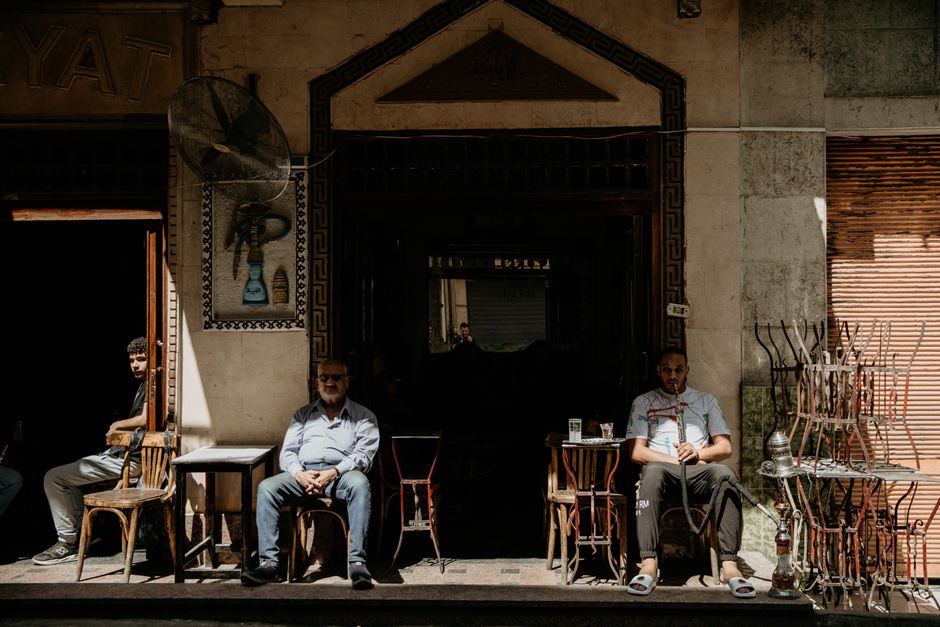
Walk through Zamalek on a Tuesday afternoon and you'll notice something new: parents lingering in cafés while their children attend structured afternoon programmes at schools that now stay open until 5 p.m. This shift represents a quiet revolution in how Cairo's families are balancing modern life, and locals are quietly celebrating.
Over the past eighteen months, Cairo's educational landscape has expanded dramatically. The introduction of extended school hours—a response to the reality that most parents in the city's professional classes work full days—has reduced the logistical nightmare that plagued families for decades. Previously, the 1 p.m. school dismissal meant parents scrambled for childcare solutions, often relying on extended family or expensive private nannies. Now, programmes offering supervised study halls, sports, languages, and creative workshops have made school days more productive and family schedules more manageable.
Several international and Egyptian national schools across Garden City, Heliopolis, and New Cairo have implemented this model, with fees ranging from 500 to 1,500 Egyptian pounds monthly for extended care. The Cairo Parents Forum, an online community that has grown to over 45,000 members since launching in early 2025, regularly credits these changes with reducing household stress.
Beyond the classroom, new family-friendly spaces are reshaping weekend life. The redeveloped Al-Azhar Park area now features dedicated children's zones with safer play equipment and shaded seating—addressing long-standing complaints about Cairo's limited public recreational infrastructure. Similarly, several neighbourhood initiatives in Maadi and October have introduced community gardens where families grow vegetables together, combining outdoor time with environmental education.
Schools themselves have shifted philosophies. An increased emphasis on emotional intelligence and critical thinking—moving away from purely exam-focused curricula—resonates with parents seeking more rounded development. Many institutions now offer counsellors on staff, addressing mental health conversations that were previously taboo in Egyptian family culture.
Perhaps most significantly, the conversation around working mothers has normalized. Where three years ago mothers felt obliged to explain their careers, today's Cairo schools actively support dual-income families through transparent communication, digital platforms for parent-teacher engagement, and flexible meeting schedules.
Parents across socioeconomic backgrounds report feeling less guilt about their work commitments and more confident their children are thriving. It's a modest but meaningful transformation—one that suggests Cairo's family infrastructure is finally catching up with the city's contemporary reality.
This article was compiled by AI and screened before publishing. See our editorial standards.