Living Cairo Like You Mean It: Honest Tips From ...
We asked long-term residents across the city's most liveable districts what actually works—and what the guidebooks get wrong.
We asked long-term residents across the city's most liveable districts what actually works—and what the guidebooks get wrong.
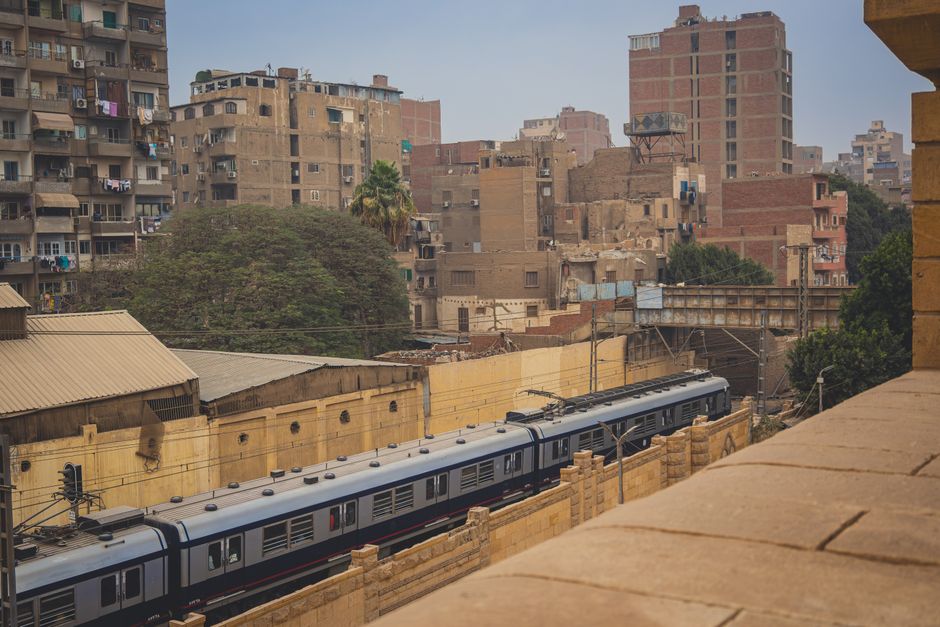
Cairo's neighbourhood landscape shifts faster than most cities. Ask ten residents where to live and you'll get ten different answers shaped by commute realities, safety concerns, and what "affordable" actually means in 2026. We spoke to people genuinely embedded in their communities to cut through the romance and deliver practical intel.
Maadi's Maturation
Maadi remains the neighbourhood for families seeking green space and relative calm, but longtime residents warn newcomers to budget accordingly. The tree-lined streets near Maadi Corniche attract professionals and expats, with rental prices for two-bedroom apartments hovering around 15,000–20,000 EGP monthly. The trade-off: the neighbourhood feels settled, sometimes sleepy, and the commute to Downtown Cairo tops an hour during peak traffic. Residents swear by local grocers on Road 9 and the community sports clubs, but note that much of Maadi's appeal depends on access to a car.
Heliopolis: Character in Transition
Heliopolis offers older charm—Belle Époque architecture, quieter streets—at lower rents than Maadi, typically 8,000–12,000 EGP for similar space. The neighbourhood draws creative types and long-term expats who've chosen stability over trendiness. Residents recommend exploring Korba's side streets and the antique markets along Urman Street, though they acknowledge infrastructure maintenance lags and that the neighbourhood's appeal depends entirely on which micro-area you choose.
Downtown and Garden City: The Walkable Dream
Younger professionals increasingly bet on Downtown Cairo and Garden City for walkability and cultural proximity—theatres, galleries, bookshops cluster here. Rental costs climb sharply (18,000–25,000 EGP for decent flats), and noise is constant. Residents accept the trade-off willingly, citing spontaneous street life and the absence of car dependency. They recommend treating the Nile Corniche as your actual living room.
The Practical Reality
Across all neighbourhoods, residents emphasize: visit multiple times at different hours before committing. Cairo's neighbourhoods transform between dawn and midnight. Security varies block-to-block, so ask locals directly rather than relying on expat forums. Building maintenance standards differ wildly even on identical streets.
Electricity costs, water quality, waste collection frequency—these unglamorous details matter more than architectural heritage when you're living somewhere daily. Many neighbourhoods lack consistent English-speaking support services; having Arabic-speaking friends or household staff becomes essential sooner than newcomers expect.
The consensus among residents: choose based on your actual routine, not Instagram aesthetics. Cairo rewards those who commit to understanding their immediate surroundings deeply.
This article was compiled by AI and screened before publishing. See our editorial standards.
How does this story make you feel?
Spread the word
About this article
Published by The Daily Cairo
Daily brief
Free, in your inbox before 7am. Weekdays.
More in lifestyle