Why Cairo's Family Life Defies the Global Parenting Playbook
In a city where multi-generational households reign and street life is classroom, Cairo's approach to raising children offers lessons the West is only beginning to learn.
In a city where multi-generational households reign and street life is classroom, Cairo's approach to raising children offers lessons the West is only beginning to learn.
Walk through Zamalek on any afternoon and you'll witness something increasingly rare in London, New York or Singapore: children playing unsupervised in public spaces while grandparents watch from nearby benches. This scene, replicated across Heliopolis and Garden City neighbourhoods, reveals a fundamental truth about family life in Cairo—one that fundamentally diverges from the atomised, scheduled parenting culture dominating Western cities.
Cairo's unique approach stems partly from necessity, partly from philosophy. With over 21 million residents, the city has developed an intricate ecosystem where extended families function as integrated support systems. While parents in Manhattan book months-in-advance for after-school activities costing $300-500 monthly, Cairo's middle and upper-middle classes rely on a blend of informal neighbourhood networks and domestic staff—a model largely dismantled elsewhere.
The schooling landscape mirrors this distinctiveness. Elite institutions like The American University in Cairo, located in New Cairo, charge £80,000-120,000 annually, yet remain oversubscribed. Yet alongside international schools, a thriving parallel system of Arabic-medium private schools serves families seeking cultural rootedness. This choice—between globalised English-language education and locally grounded Arabic curricula—rarely exists with such vibrancy in homogeneous Western metropolitan areas.
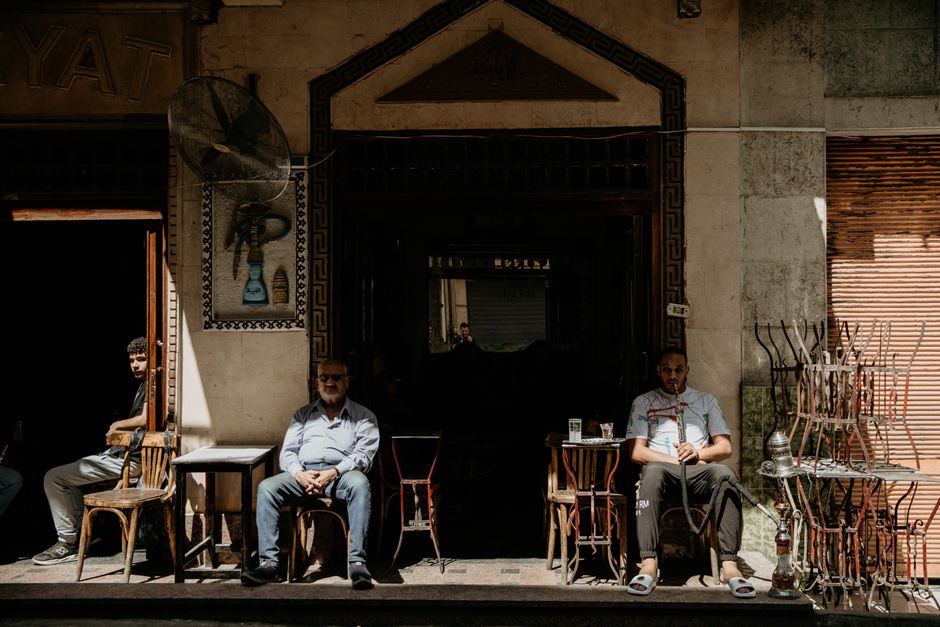
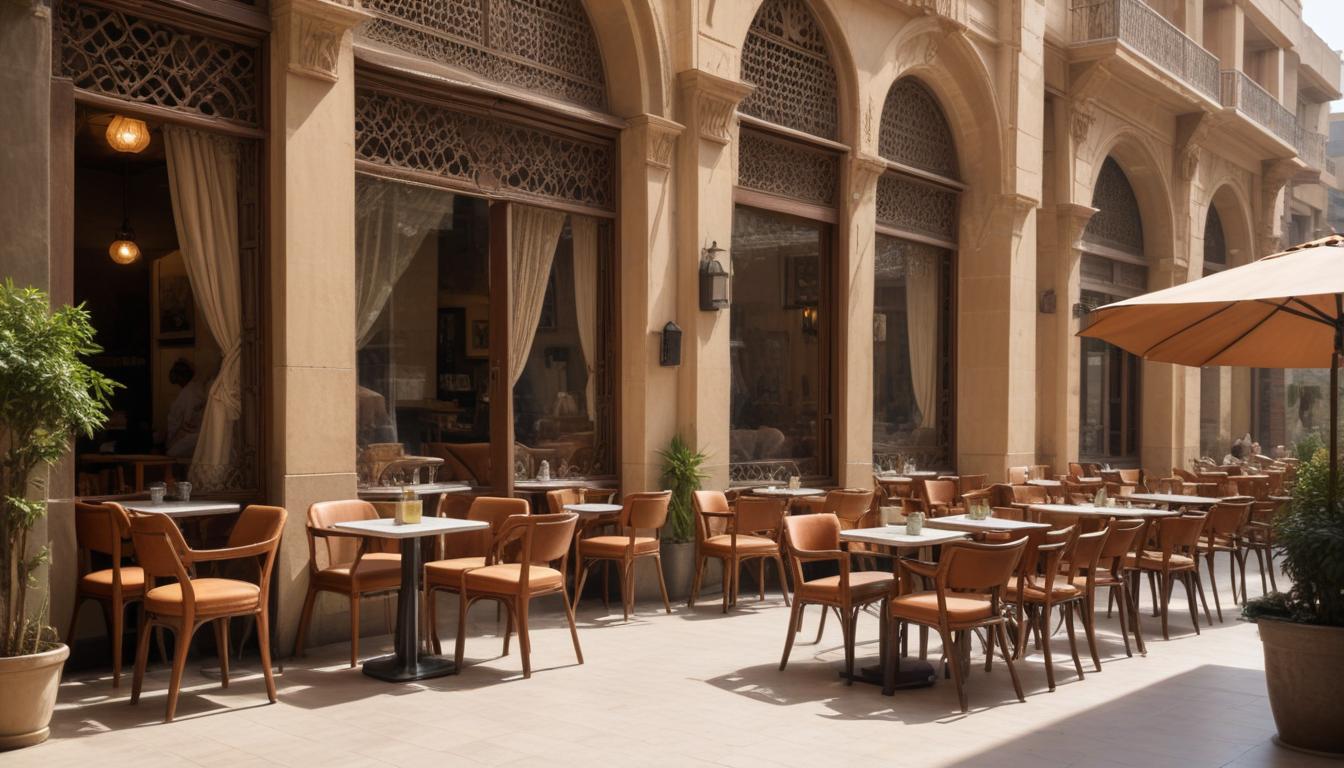
Perhaps most strikingly, Cairo's urban geography keeps families entangled. A typical evening might see three generations gathering at a café on Qasr El Nile Street, children playing tagines while parents conduct business and elders oversee the social fabric. Compare this to suburban American childhoods—chauffeur-driven between scheduled activities—and the cultural gulf becomes apparent.
This doesn't mean Cairo's parenting culture lacks challenges. Traffic dangers, air pollution affecting school attendance, and the digital divide between wealthy neighbourhoods and working-class areas create genuine concerns. Yet even these pressures operate differently. When Cairo's schools closed during recent disruptions, families adapted through community-based learning rather than the videoconference isolation that defined Western lockdowns.
For Cairo parents, childhood independence remains normalised. Eight-year-olds navigate Dokki's side streets on foot; teenagers claim public spaces as their own. Western child-rearing literature increasingly advocates "free-range parenting" as progressive—what Cairo has maintained as default practice.
As global parenting trends increasingly emphasise reconnection with extended family, outdoor play, and community-embedded childhoods, Cairo stands as a living laboratory. The city's families haven't abandoned traditional structures wholesale, nor blindly adopted foreign models. Instead, they've negotiated a hybrid space—one that may ultimately offer urban parents everywhere valuable lessons about what children actually need to thrive.
This article was compiled by AI and screened before publishing. See our editorial standards.
How does this story make you feel?
Spread the word
About this article
Published by The Daily Cairo
Daily brief
Free, in your inbox before 7am. Weekdays.
More in lifestyle