Where Cairo Breathes: How Green Spaces Are Reshaping Neighbourhood Identity and Community Life
From Zamalek's leafy retreats to Garden City's revitalised parks, Cairo's outdoor spaces are becoming the true heart of neighbourhood character.
From Zamalek's leafy retreats to Garden City's revitalised parks, Cairo's outdoor spaces are becoming the true heart of neighbourhood character.
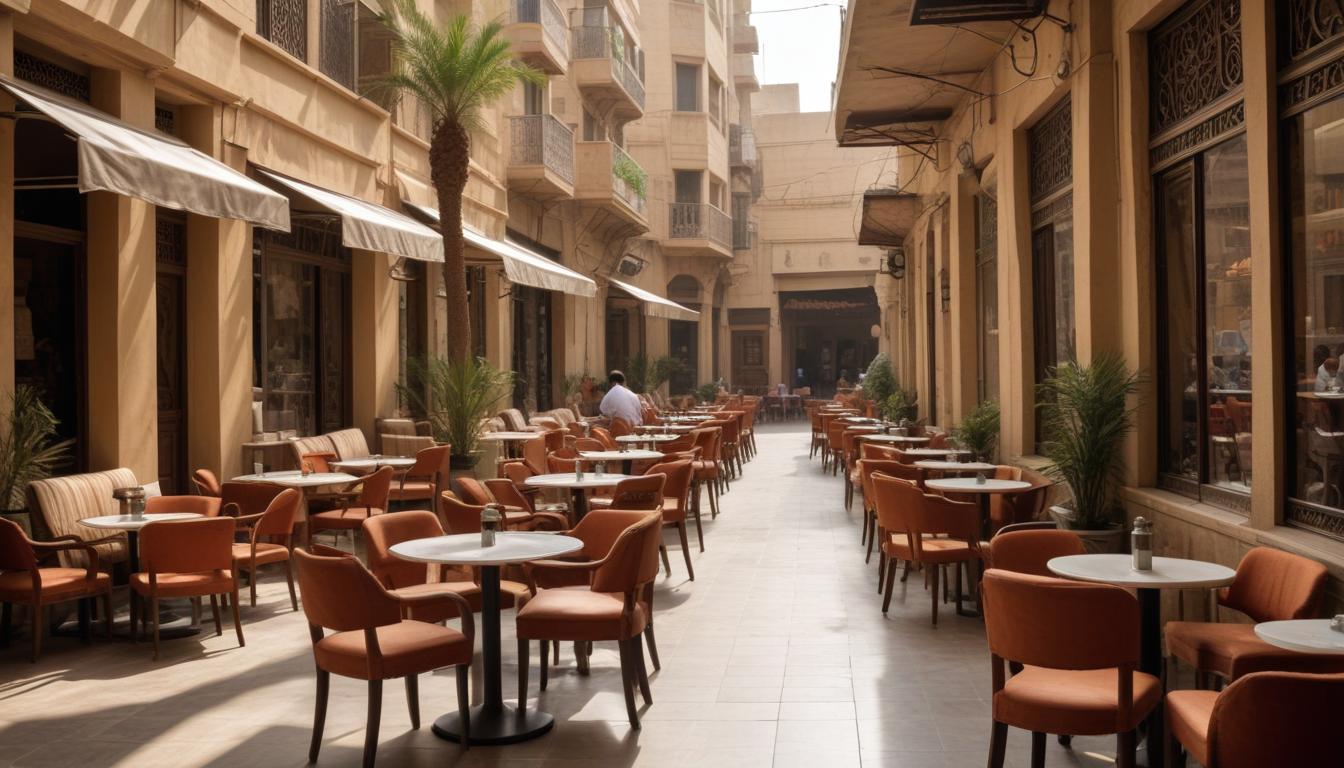
On a Thursday evening in Zamalek, the narrow paths around Gezira Park fill with a particular rhythm—young professionals unwinding after work, families claiming benches before sunset, elderly residents who've walked these routes for decades. It's a microcosm of how Cairo's neighbourhoods are redefining themselves through their green spaces, each park developing its own distinct community personality.
"Parks aren't just about trees anymore," says one long-time Zamalek resident, reflecting on how the neighbourhood's character has evolved. The island's compact geography—bordered by the Nile on both sides—has made outdoor spaces crucial gathering points. Weekend mornings here feel different from Downtown Cairo, where the smaller but intensely used Al-Azhar Park serves a dramatically different demographic, drawing visitors from across the city to its Ottoman-era gardens and panoramic terraces.
Garden City presents another model entirely. The neighbourhood's tree-lined streets and pocket parks create an almost village-like atmosphere in central Cairo, with residents describing their community as unusually quiet for the capital. Local residents frequent the green spaces along Sharia Kasr Al-Aini, where informal social hierarchies have emerged—specific benches become meeting points for chess players, others for mothers with small children, creating an unspoken zoning system that evolves organically.
The economics of outdoor living vary sharply across neighbourhoods. Zamalek and Heliopolis command premium real estate, partly because their green infrastructure attracts families willing to pay premium prices for proximity to parks. Meanwhile, in Bulaq and other working-class areas, the absence of adequate green space remains a persistent challenge—though residents have increasingly advocated for improvement projects. The government's recent push to increase Cairo's green cover aims to address this disparity, with plans to expand accessible parks in underserved neighbourhoods.
What's emerging across Cairo's diverse communities is recognition that parks function as social infrastructure. In Maadi, the neighbourhood's established expatriate presence and stable family demographics have created parks that feel distinctly cosmopolitan. Heliopolis's tree-lined streets and scattered green spaces support an older, more established community character. Downtown's denser parks serve transient populations and office workers grabbing lunch breaks.
The shift matters culturally. As Cairo grapples with rapid urbanisation and housing pressure, these outdoor spaces represent rare commons where neighbourhood identity still takes precedence over economic status. They're where the actual character of a Cairo neighbourhood—its rhythms, its people, its values—remains visible and lived daily.
This article was compiled by AI and screened before publishing. See our editorial standards.
How does this story make you feel?
Spread the word
About this article
Published by The Daily Cairo
Daily brief
Free, in your inbox before 7am. Weekdays.
More in lifestyle