The Real Cairo Revealed: How Daily Commutes Expose the ...
From the cramped minibuses of Islamic Cairo to the organised metro lines of Heliopolis, the way Cairenes move through their city tells the story of who they are.
From the cramped minibuses of Islamic Cairo to the organised metro lines of Heliopolis, the way Cairenes move through their city tells the story of who they are.
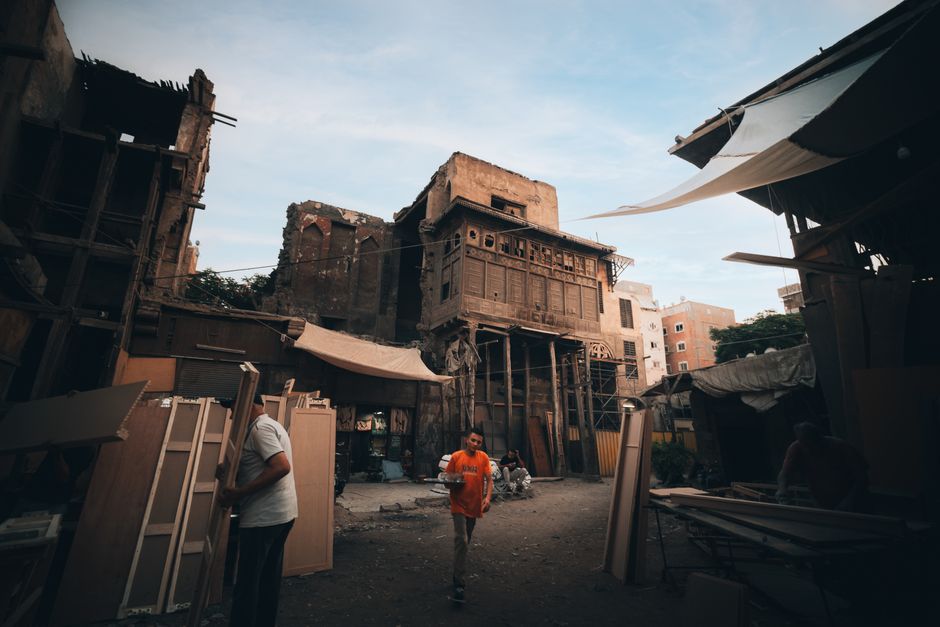
Ask any Cairene about their morning commute, and you'll hear far more than directions and travel times. You'll hear stories about identity, community bonds, and the invisible threads that hold this sprawling metropolis together. The way people navigate Cairo—whether squeezing onto an overloaded microbus in Sayeda Zeinab or boarding the relatively orderly Metro Line 1 from Heliopolis—reveals profound truths about neighbourhood character that no tourism board brochure ever could.
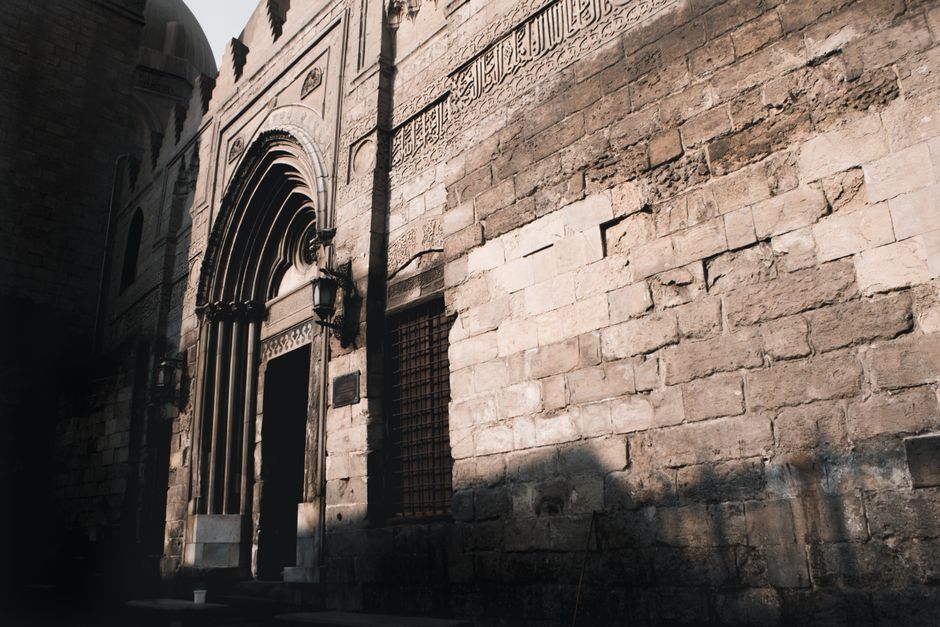
Take the packed minibuses that thunder through Islamic Cairo's narrow lanes near Khan el-Khalili. These aren't merely transport; they're mobile social spaces where vendors, students, and elderly residents negotiate fares, share gossip, and maintain the rhythms of working-class life. The chaos is purposeful. A trip from Bab Zuweila to Citadel Square might cost just 2-3 Egyptian pounds, but it costs considerably more in personal space and patience—a fair exchange for many who've built their daily rituals around these informal networks.
Contrast this with New Cairo's ring road culture, where the relatively newer affluent neighbourhoods like the Fifth Settlement have spawned a different commuting ecosystem entirely. Here, private cars dominate. Uber and Uber Eats drivers snake through Sheikh Zayed streets, and organised traffic flows—though hardly immune to congestion—reflect a neighbourhood built for vehicular movement rather than pedestrian spontaneity. The vibe is transactional, efficient, atomised.
But perhaps the most revealing commute is along the Cairo Metro. Since its expansion, particularly Lines 2 and 3, the underground railway has become a democratic equaliser. A journey from Ramses Square through downtown to Giza Dokki mixes bankers in pressed shirts with construction workers, university students with mothers balancing shopping bags. The Metro's character—crowded, occasionally chaotic during peak hours (6-9 AM sees 3-4 million daily riders), but fundamentally egalitarian—captures something essential about Cairo's aspiration toward civic order amid organic complexity.
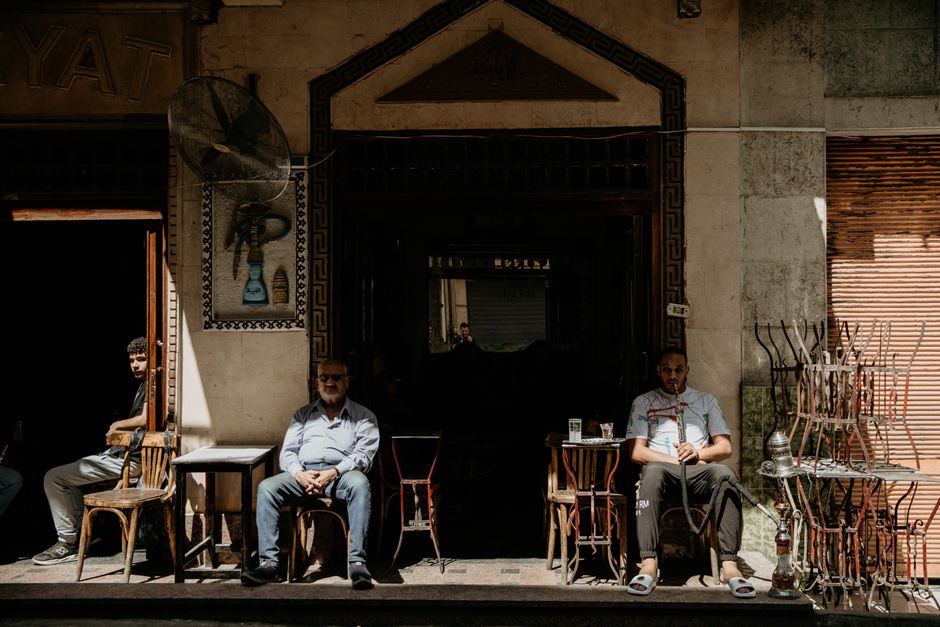
The neighbourhoods themselves emerge most vividly during transition moments. In Garden City, the tree-lined streets and the pedestrian bridges near the Egyptian Museum create a leisurely commuting culture; people walk to cafés, pause for conversations. In Zamalek, the Nile-side paths generate a different energy—more insular, more relaxed, with residents often cycling or strolling toward the island's concentrations of galleries and restaurants.
What strikes any observer is that Cairo's transport landscape isn't broken—it's simply unplanned in ways that reveal authentic neighbourhood identities. The commute isn't incidental to the neighbourhood; it defines it. Understanding Cairo means understanding how its people move, and why.
This article was compiled by AI and screened before publishing. See our editorial standards.
How does this story make you feel?
Spread the word
About this article
Published by The Daily Cairo
Daily brief
Free, in your inbox before 7am. Weekdays.
More in lifestyle