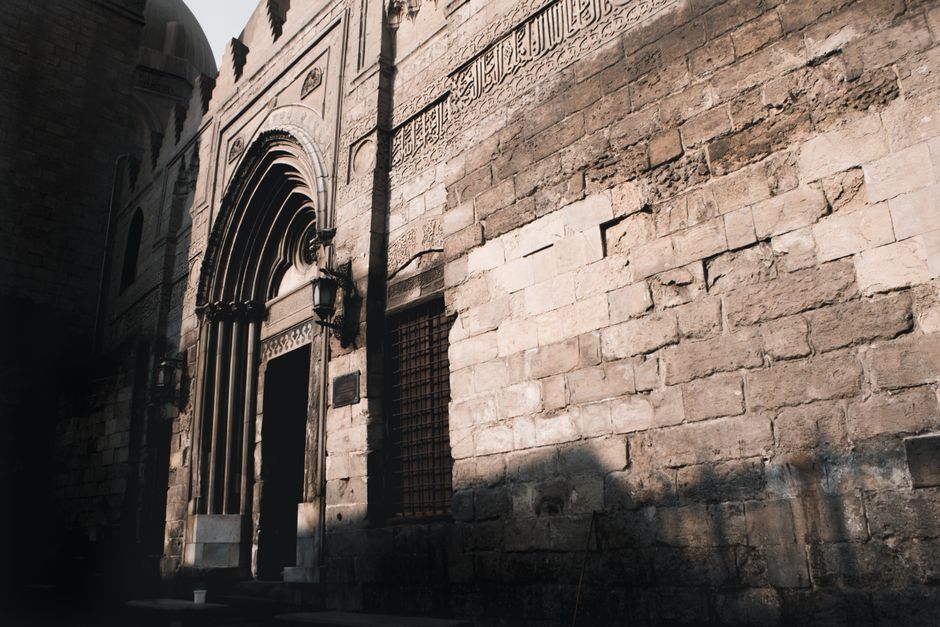
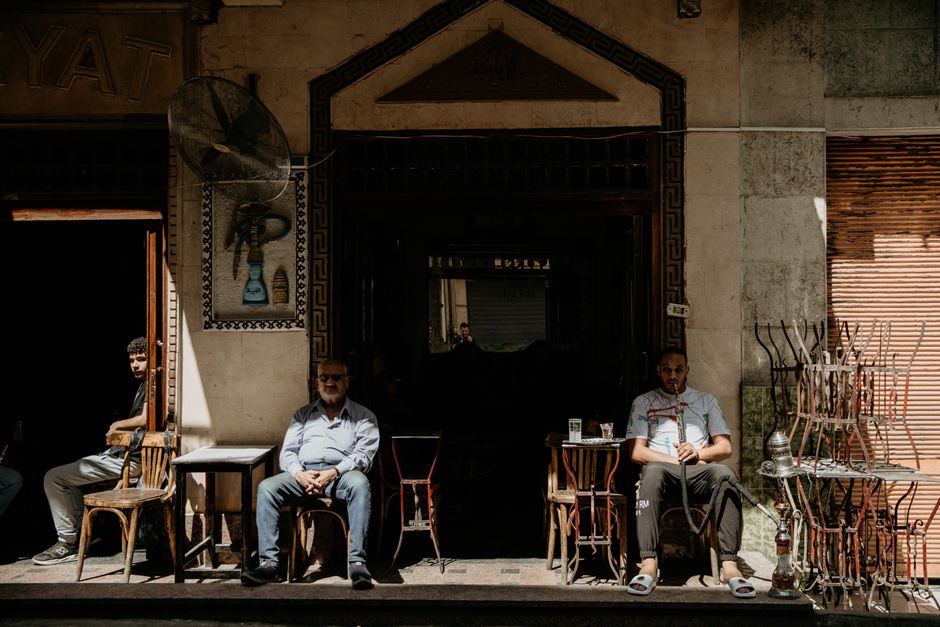
Walk into Khan el-Khalili on a Thursday morning, and you'll witness something cameras rarely capture: the market breathing as a neighbourhood, not a destination. Locals jostle past tour groups with the ease of people who've navigated these medieval alleyways for generations, stopping to greet spice merchants by name, haggling over cotton prices with the familiarity of old friends.
The market's 600-year history sits lightly on its shoulders here. While the souvenirs—papyrus paintings, brass trinkets, tourist-grade scarabs—cluster near Muizz Street's main artery, the real neighbourhood character emerges deeper within. In the warren of passages behind the central mosque, families run businesses their grandparents established. A copper worker on a side lane charges 850 Egyptian pounds for a handbeaten tray; his son sits beside him learning the craft. Two shops down, a textile merchant specialising in indigo-dyed fabrics serves the same construction workers and university students who've been his customers for decades.
What distinguishes Khan el-Khalili from Cairo's newer malls isn't just authenticity—it's reciprocity. The gold dealers near Bab el-Ghouriya know their regulars' preferences. The perfume shops that line the eastern passages blend custom scents for neighbourhood weddings. Coffee vendors remember how regular customers take their Turkish coffee. This isn't retail as transaction; it's retail as social infrastructure.
The neighbourhood's character emerges in its rhythms. Mornings belong to wholesale traders and working professionals. By afternoon, schoolchildren flood in for cheap shawarma and print supplies. Evenings transform the market into a social hub where families stroll, teenagers meet, and the air thickens with hookah smoke and conversation. Even Egypt's economic pressures—inflation has pushed many prices up 30-40% since 2023—haven't fundamentally altered this pattern.
Recent developments have tested the neighbourhood's resilience. Renovation projects along Muizz Street aim to preserve heritage while improving infrastructure. Yet shopkeepers express cautious optimism rather than fear. They've survived centuries of empires; they'll survive modernisation too.
For Cairenes seeking authentic neighbourhood shopping, Khan el-Khalili offers something increasingly rare: a place where commerce serves community, where your presence matters beyond your wallet, and where the market's identity remains rooted in the people who call it home. The tourist veneer exists, certainly, but step sideways into the quieter passages, and you'll find the real soul of Cairo's most resilient neighbourhood.
This article was compiled by AI and screened before publishing. See our editorial standards.