Zamalek's Weekend Escape: How Cairo's Island Leisure Hub ...
As young Cairenes seek alternatives to congested downtown venues, Zamalek is transforming from a quiet residential enclave into the city's most dynamic weekend destination.
As young Cairenes seek alternatives to congested downtown venues, Zamalek is transforming from a quiet residential enclave into the city's most dynamic weekend destination.
For decades, Zamalek occupied a peculiar position in Cairo's leisure landscape—a verdant island sanctuary where wealthy families retreated, but rarely where young professionals ventured for entertainment. Today, that calculus is shifting dramatically. The neighbourhood, bounded by the Nile and home to the Gezira Club and Opera House, is experiencing a quiet revolution in how Cairenes spend their weekends, driven by a confluence of new venues, improved transport links, and changing leisure preferences among the city's under-35 demographic.
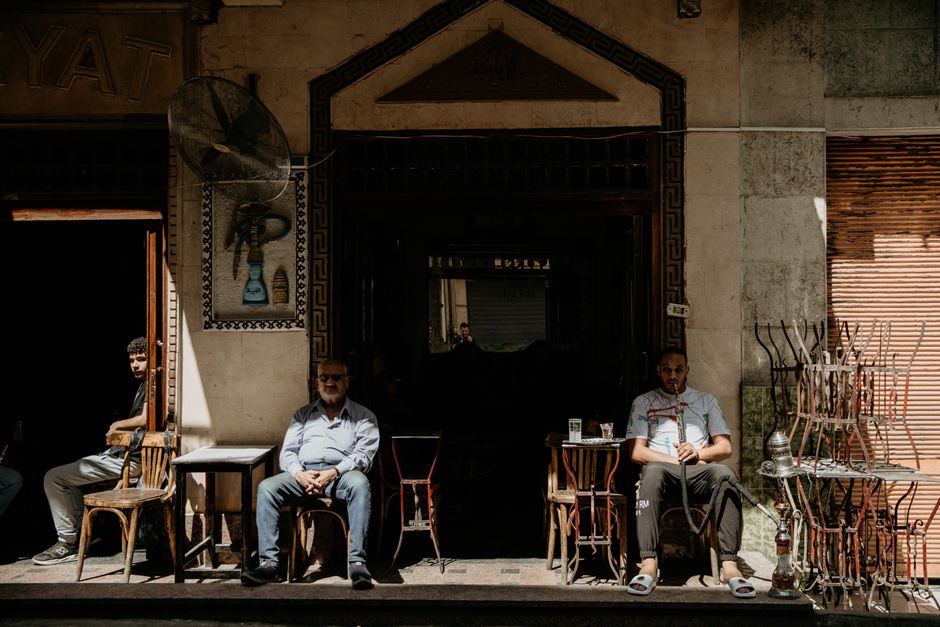
The transformation is most visible along 26th of July Street and the newly pedestrianised stretches near the Nile Corniche, where independent cafés and restaurants have proliferated over the past eighteen months. Where stilted formal dining once dominated, casual brunch culture has taken root—venues like those clustered near Saray al-Gezira now regularly draw weekend crowds willing to navigate Zamalek's quieter streets. Local business association data suggests foot traffic in the neighbourhood has increased by approximately 40% since early 2025, with a notable spike during Friday and Saturday afternoons.
The shift reflects broader patterns in how Cairo's middle and upper-middle classes are reconfiguring their leisure time. Unlike the congestion plaguing Khan el-Khalili or Heliopolis's commercial strips, Zamalek offers space—a precious commodity in a megacity of 20 million. Weekend activities have expanded beyond the historic Gezira Club's tennis courts and swimming pools to include gallery walks (the nearby Townhouse Gallery remains a cultural anchor), waterfront strolls, and art workshops in converted villa spaces.
Yet this evolution brings tensions. Residents worry about parking pressures and noise as venues stay open later. Some long-time establishments have closed, unable to compete with newer, higher-capitalized competitors. The neighbourhood's character—quieter, more exclusive—risks being diluted by democratisation of access.
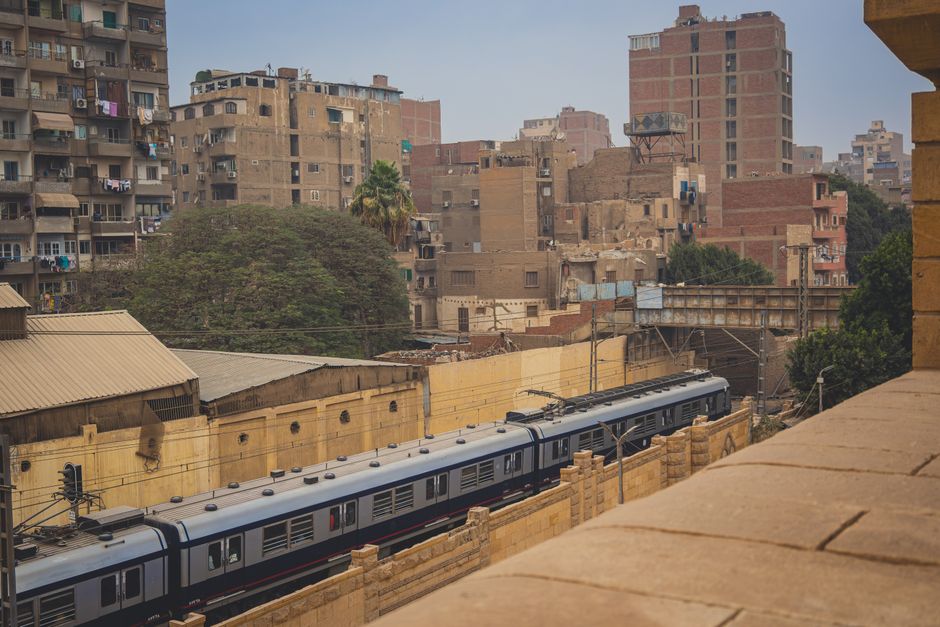
Transport improvements have accelerated the shift. The extended metro line's proximity has reduced reliance on private vehicles, making Zamalek accessible to broader segments of Cairo's population. Simultaneously, local initiatives promoting the neighbourhood as a cultural destination have gained traction, with weekend art markets and outdoor cinema nights becoming semi-regular fixtures.
What's emerging is a neighbourhood caught between identities: no longer purely residential, not quite fully commercialised, but undeniably evolving. For weekend leisure-seekers fatigued by downtown chaos, Zamalek represents something increasingly rare in Cairo—controlled growth, manageable crowds, and the promise of leisurely afternoons that don't require navigating gridlock. Whether that balance holds as demand continues climbing remains the neighbourhood's central question.
This article was compiled by AI and screened before publishing. See our editorial standards.
How does this story make you feel?
Spread the word
About this article
Published by The Daily Cairo
Daily brief
Free, in your inbox before 7am. Weekdays.
More in lifestyle