The Faces Behind Cairo's Markets: Meet the Traders Keeping the City's Soul Alive
From Khan el-Khalili to Zamalek's hidden boutiques, the real magic of Cairo's retail landscape lies in the relationships vendors build with customers.
From Khan el-Khalili to Zamalek's hidden boutiques, the real magic of Cairo's retail landscape lies in the relationships vendors build with customers.
On a humid June morning in Khan el-Khalili, the sprawl of spice vendors, textile merchants, and jewellers unfolds like a living museum. Yet if you ask regular shoppers what makes them return week after week, few mention the goods. They mention Fatima, or Ahmed, or the widow running the perfume stall near Bab el-Futuh gate for thirty-seven years.
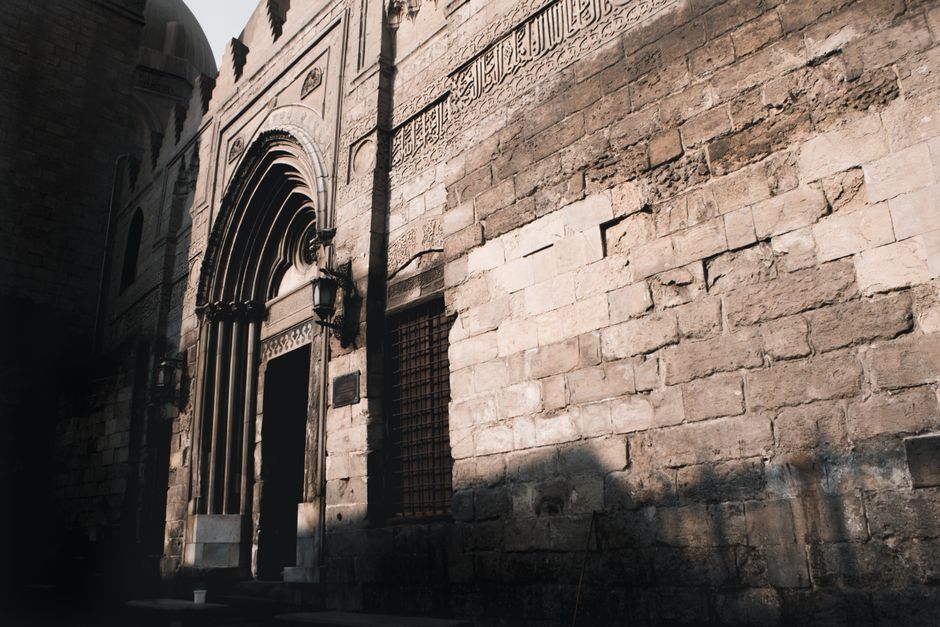
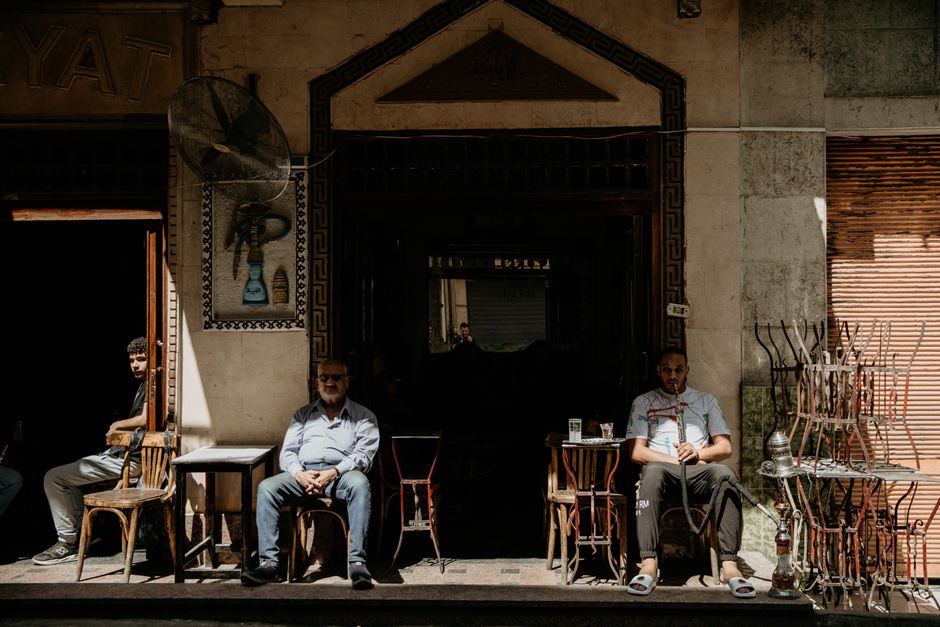
Cairo's retail culture has always been about people. While shopping malls multiply across New Cairo and Heliopolis, the city's traditional markets remain the beating heart of neighbourhood commerce—and it's the faces behind the counters that give these spaces their enduring character.
Take the textile merchants of Islamic Cairo, where families have controlled stalls for generations. These aren't just transaction points; they're repositories of craft knowledge, price negotiation tradition, and customer loyalty that transcends mere commerce. A mother buying fabric for her daughter's wedding knows exactly which vendor understands her budget, her taste, and her family's story. That relationship—built over years, sometimes decades—is irreplaceable by any e-commerce algorithm.
In neighbourhoods like Zamalek and Garden City, a quieter retail ecosystem thrives. Small boutiques, many family-run, curate carefully selected Egyptian and imported goods. The owners—often second-generation retailers—have become trusted style consultants to their communities, hosting regular customers who treat the shops as extensions of their homes. These spaces offer something increasingly rare: human curation in an age of algorithmic recommendation.
The economics tell an important story too. According to Cairo Chamber of Commerce data, independent retailers still account for roughly 60% of non-grocery retail transactions in greater Cairo, a figure that has remained surprisingly stable despite digital disruption. These vendors employ thousands directly and support entire supply chains of local craftspeople, particularly in leather goods, textiles, and home décor.
What's driving this resilience? Part of it is practical—browsing Khan el-Khalili's estimated 9,000 shops still offers sensory pleasures no screen can replicate. But deeper than that is social fabric. For many Cairenes, shopping is a social ritual. It's where neighbours meet, where children learn haggling from parents, where trust between merchant and customer becomes a form of social currency.
As global retail trends accelerate, these human connections grow more valuable, not less. The vendors of Cairo's markets aren't merely selling goods; they're preserving the intricate social choreography that makes this city unmistakably itself. Their faces—weathered by sun, animated by storytelling, etched with decades of transactions—represent Cairo's beating commercial heart.
This article was compiled by AI and screened before publishing. See our editorial standards.
How does this story make you feel?
Spread the word
About this article
Published by The Daily Cairo
Daily brief
Free, in your inbox before 7am. Weekdays.
More in lifestyle