Maadi's School Scene is Being Transformed by a New Generation of Egyptian Parents
As affluent families demand more progressive curricula and wellness-focused learning, the leafy suburb is reinventing itself beyond traditional international schools.
As affluent families demand more progressive curricula and wellness-focused learning, the leafy suburb is reinventing itself beyond traditional international schools.
Walk down Road 9 in Maadi on any weekday morning and you'll notice something distinctly different from five years ago: parents in their thirties are actively questioning the one-size-fits-all model of education that shaped their own childhoods. The neighbourhood's evolution from a quiet expat enclave into a hub of educational experimentation reflects broader shifts in how Cairo's middle and upper-middle classes are approaching parenthood and learning.
The numbers tell part of the story. According to recent surveys by the Egyptian Parents Forum, interest in alternative education models—Montessori, IB curricula, STEM-focused programmes—has doubled in Cairo's affluent neighbourhoods since 2021. While British and American schools like Maadi British School and Cairo American College remain popular, enrolment growth has slowed as families explore options like the newly expanded Verdant Schools campus on Road 151, which emphasises sustainability and emotional intelligence alongside academics.
What's driving this shift? Parents cite globalisation, social media exposure to international educational trends, and a desire to balance academic rigour with mental health awareness. "The pandemic changed how we think about schooling," explains one longtime Maadi resident. "Remote learning showed us that traditional classroom hierarchies weren't the only way." This mindset has spawned a micro-economy: tutoring centres on Road 11 now advertise "holistic development" rather than exam cramming; wellness-focused after-school programmes featuring everything from mindfulness to urban gardening have proliferated.
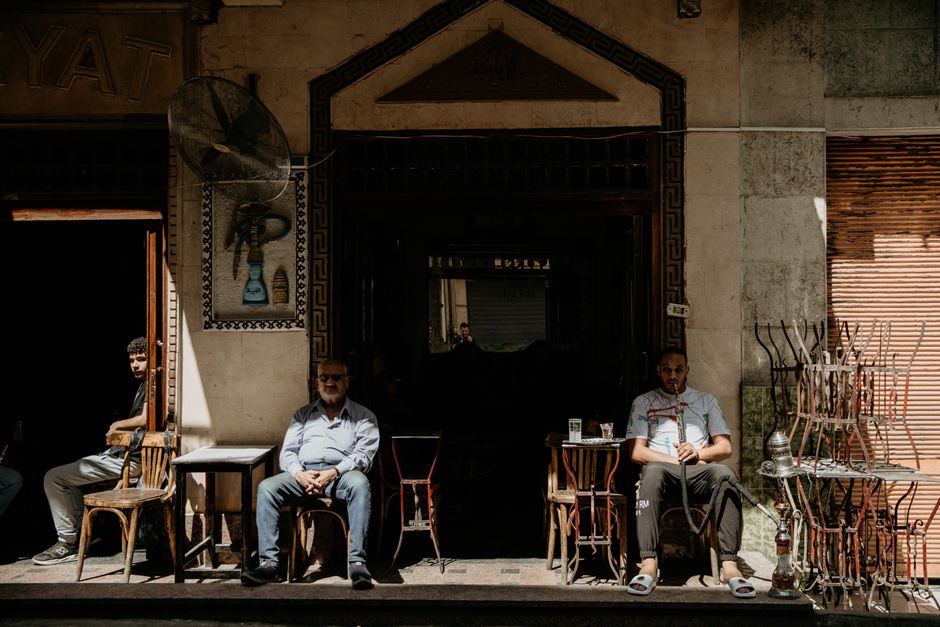
The infrastructure is adapting too. Neighbourhood cafes like those clustered around Maadi Metro have become informal parent-networking hubs where educational choices are debated as enthusiastically as property prices. Meanwhile, spaces like the Maadi Community Library have expanded programming to support homeschooling families and parent-led learning collectives—a demographic that barely existed here a decade ago.
Yet this educational renaissance isn't without tensions. School fees at premium international institutions now regularly exceed 200,000 EGP annually, pricing out many professional families. Meanwhile, conversations about local Egyptian schooling remain muted in expat-dominated circles, reflecting persistent class and cultural divides.
For now, Maadi's educational landscape reflects a city in flux: tradition and experimentation coexisting, global influences reshaping local habits, and a new generation of parents determined to write a different story for their children than the one written for them.
This article was compiled by AI and screened before publishing. See our editorial standards.
How does this story make you feel?
Spread the word
About this article
Published by The Daily Cairo
Daily brief
Free, in your inbox before 7am. Weekdays.
More in lifestyle