Cairo's Markets Beat the World: Why This City's Shopping Culture Stands Apart
From Khan El-Khalili's haggling rituals to neighbourhood spice vendors, Cairo offers a retail experience no mall or online platform can replicate.
From Khan El-Khalili's haggling rituals to neighbourhood spice vendors, Cairo offers a retail experience no mall or online platform can replicate.
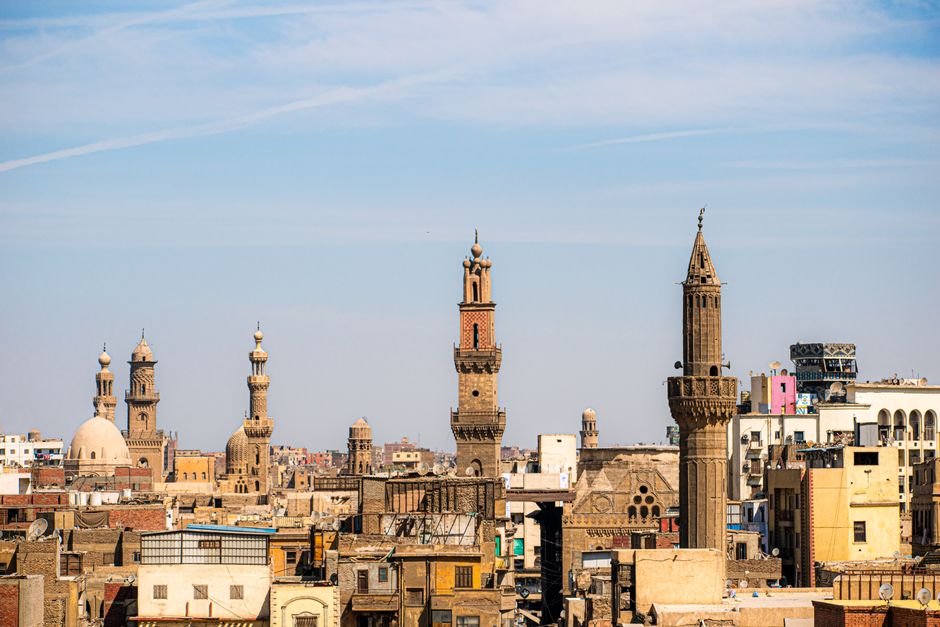
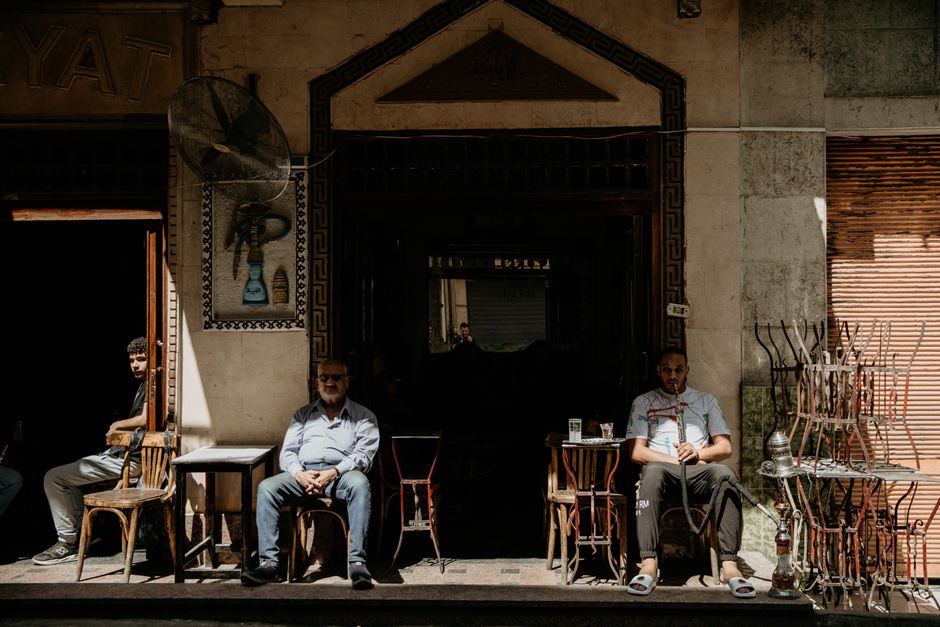
Walk through Khan El-Khalili on a Friday morning and you'll witness something increasingly rare in global retail: the living, breathing marketplace as social institution. Unlike the sterile efficiency of shopping centres in Dubai or the algorithm-driven isolation of online retail, Cairo's bazaars function as genuine gathering spaces where transactions are secondary to human connection.
The numbers tell part of the story. Khan El-Khalili alone welcomes roughly 10,000 daily visitors during peak season, yet maintains an authenticity that London's Oxford Street or New York's Fifth Avenue abandoned decades ago. Prices remain negotiable—a practice that transforms shopping into dialogue rather than transaction. A silk scarf that might cost 400 Egyptian pounds at first asking could settle at 250 through respectful negotiation, a dynamic that builds relationships between vendor and buyer.
But Cairo's retail distinctiveness extends far beyond tourist zones. In Zamalek, independent boutiques tucked along 26th of July Street showcase local designers whose work never reaches global fashion weeks, yet rivals anything coming out of Milan or Paris. The neighbourhood's gallery-adjacent storefronts blur lines between art and commerce in ways that feel genuinely organic rather than Instagram-engineered.
The spice markets near Al-Azhar Mosque represent perhaps Cairo's most irreplaceable retail experience. Here, saffron, sumac, and dozens of proprietary spice blends are sold by weight from vendors whose families have occupied the same stalls for generations. This direct, unmediated relationship between producer and consumer—absent in supermarket chains dominating most global cities—creates transparency and quality control that corporate supply chains simply cannot match.
Even modern shopping districts maintain Cairo's distinctive character. City Stars in Heliopolis combines international brands with Egyptian independent retailers, creating a hybrid space that respects rather than erases local culture. Compare this to virtually identical malls in Dubai, Riyadh or Singapore, and the difference becomes stark.
The real advantage, however, lies in price accessibility. A quality cotton galabiya costs 150-300 pounds in El-Attaba markets—affordable enough that clothing remains genuinely democratic. Elsewhere globally, comparable artisanal items carry luxury price tags that price out ordinary citizens.
As global retail consolidates around massive e-commerce platforms and standardised chains, Cairo's markets represent something increasingly precious: a functioning, living ecosystem where commerce serves community rather than the reverse. That's not merely nostalgic; it's genuinely revolutionary in 2026's retail landscape.
This article was compiled by AI and screened before publishing. See our editorial standards.
How does this story make you feel?
Spread the word
About this article
Published by The Daily Cairo
Daily brief
Free, in your inbox before 7am. Weekdays.
More in lifestyle