New York has Central Park. Barcelona has its Gothic Quarter. But Cairo? Cairo has something altogether more extraordinary: the ability to swap millennia in a single morning.
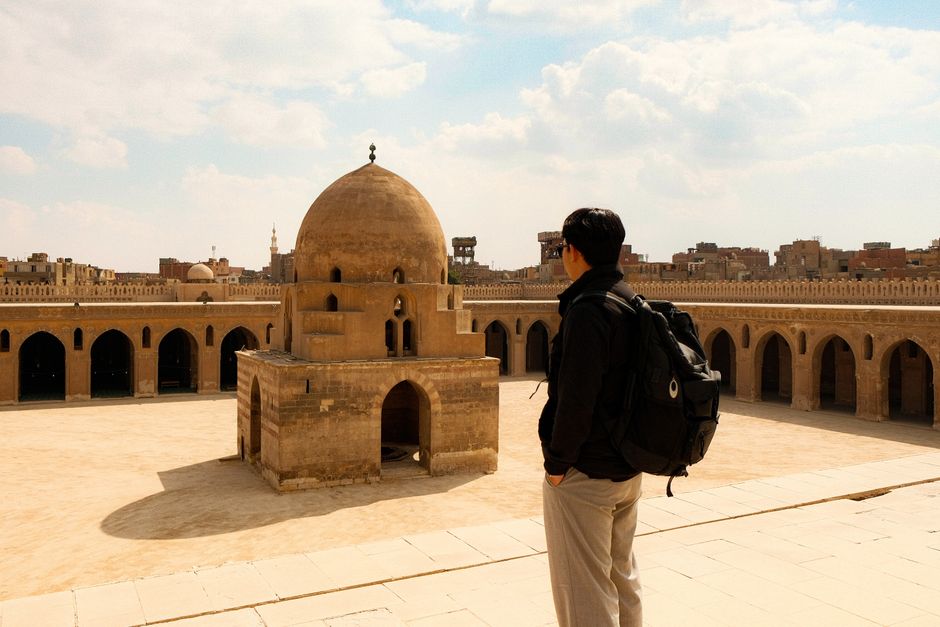
This weekend, like most weekends in the Egyptian capital, thousands of Cairenes will do what visitors from London to Dubai struggle to replicate elsewhere: they'll board a traditional wooden felucca on the Nile just after dawn, drift past agricultural islands while sipping tea, then navigate to Al-Fustat—where Cairo was born in 641 AD—before noon. The juxtaposition is staggering. You're floating past date palms and egrets with Islamic Cairo's minarets puncturing the skyline ahead.
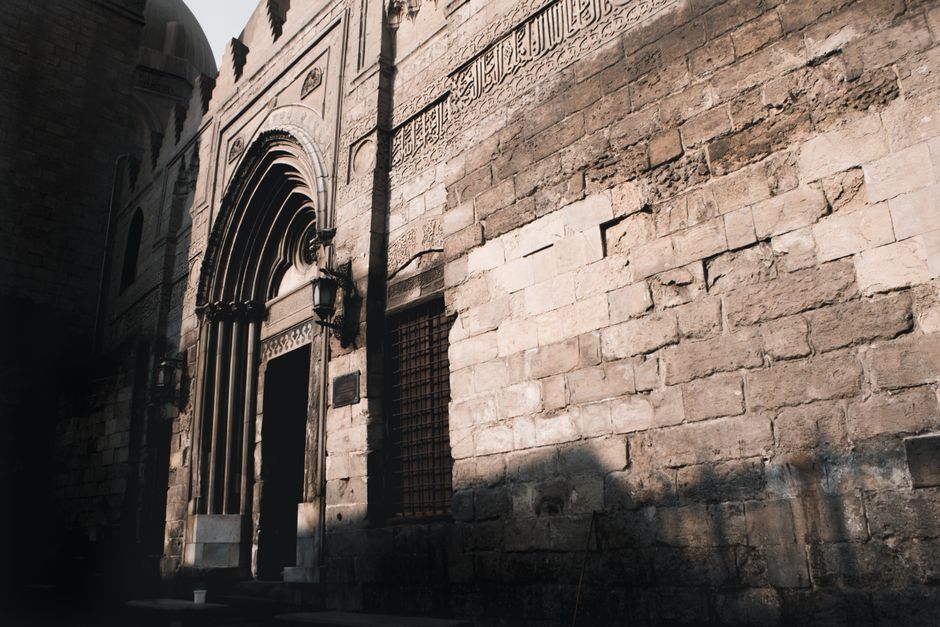
What makes Cairo genuinely unique isn't just density of heritage; it's accessibility. The Coptic Cairo quarter, spanning mere blocks in Old Cairo, contains some of the world's oldest churches—the Church of Abu Serga, dating to the fourth century, sits literally beneath street level. Yet it costs nothing to explore. Compare this to Venice's museum entry fees or Rome's archaeological ticketing, where a single day easily costs €80-120 per person. A weekend in Cairo—including felucca rides (£E150-200), traditional breakfast in Khan El-Khalili, and monastery visits—rarely exceeds half that.
The Wadi Natrun monasteries, 110 kilometres northwest, offer another Cairo-exclusive experience: four functioning Coptic monasteries in the Western Desert, still inhabited by monks, remain accessible for day visits. You won't find their equivalent near Paris or Istanbul. Most weekend day-trippers combine this with a desert dawn, returning by evening—a full sensory reset impossible in landlocked European cities.
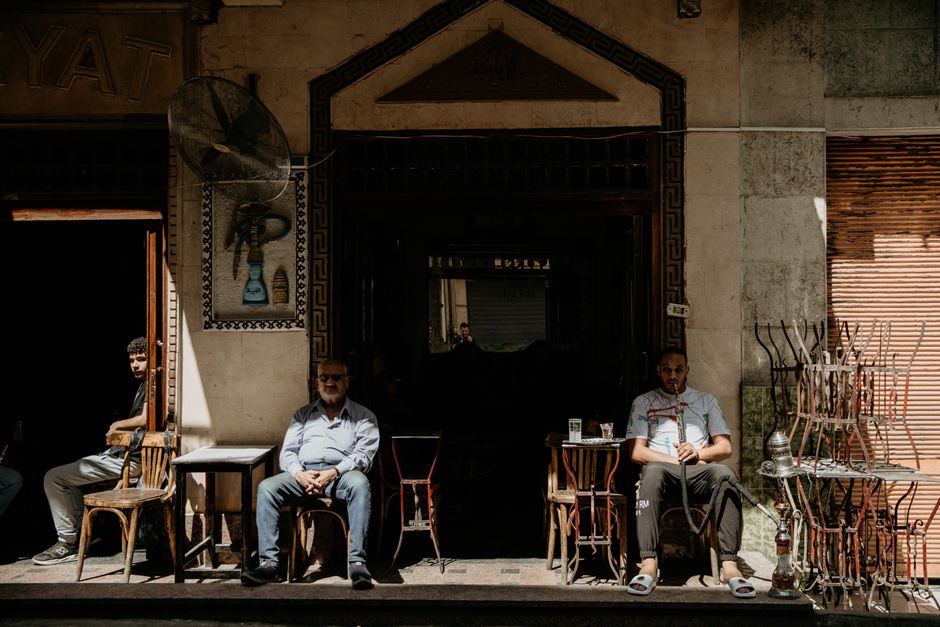
Then there's the rhythm itself. Cairo's weekend culture—Fridays and Saturdays—means the city shifts entirely. Helwan's thermal springs, 40 kilometres south, transform from weekday getaway into a proper social destination. Garden City's riverside cafés along Saray Al-Gezira fill with families. The Citadel of Saladin, perched above the medieval city, becomes genuinely walkable on Friday mornings when traffic diminishes.
London's weekend warriors escape to the Cotswolds. Parisians head to Provence. But Cairenes stay put—because staying put already means crossing deserts, sailing ancient rivers, and exploring living museums. The city's geographic position—straddling the Nile delta with desert immediacy—creates leisure options that feel genuinely different, not merely replicated versions of somewhere else.
This June weekend, that advantage feels sharper than ever. While global tourism fights overtourism, Cairo's weekend leisure retains something increasingly rare: the possibility of authentic escape without leaving your city.
This article was compiled by AI and screened before publishing. See our editorial standards.