Moving to a new city is disorienting. Moving to Cairo is transcendent—and entirely in a league of its own. While Singapore offers efficiency and Barcelona offers culture, Cairo offers something rarer: a living continuum where five millennia of human civilization aren't museum pieces but the literal ground beneath your feet.
The first shock, frankly, is the Nile itself. Unlike cities built around rivers that merely border them, Cairo's entire existence hinges on this single artery. From your apartment in Zamalek or Garden City, the river isn't a scenic backdrop—it's the reason you're breathing. During the summer months, locals migrate to the corniche as evening temperatures drop, creating an outdoor social life unmatched in most Western cities. A felucca ride costs around 50-100 EGP per person and remains the most affordable luxury experience you'll find in any major global hub.
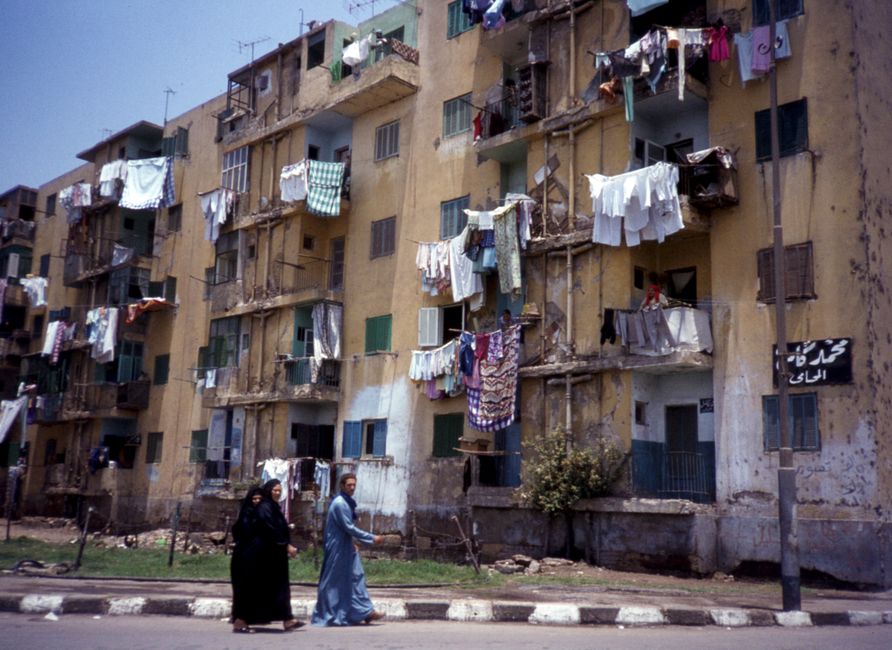
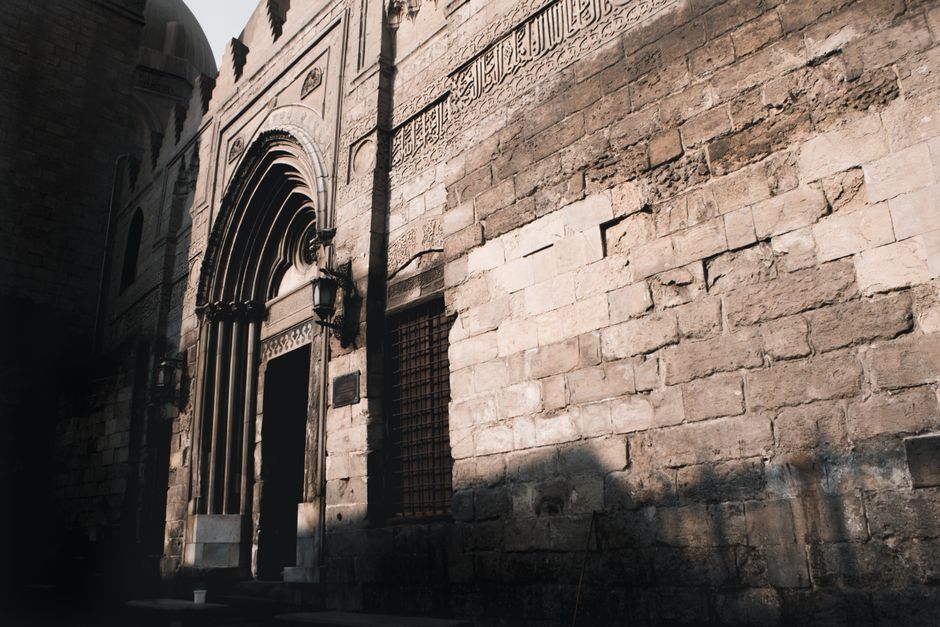
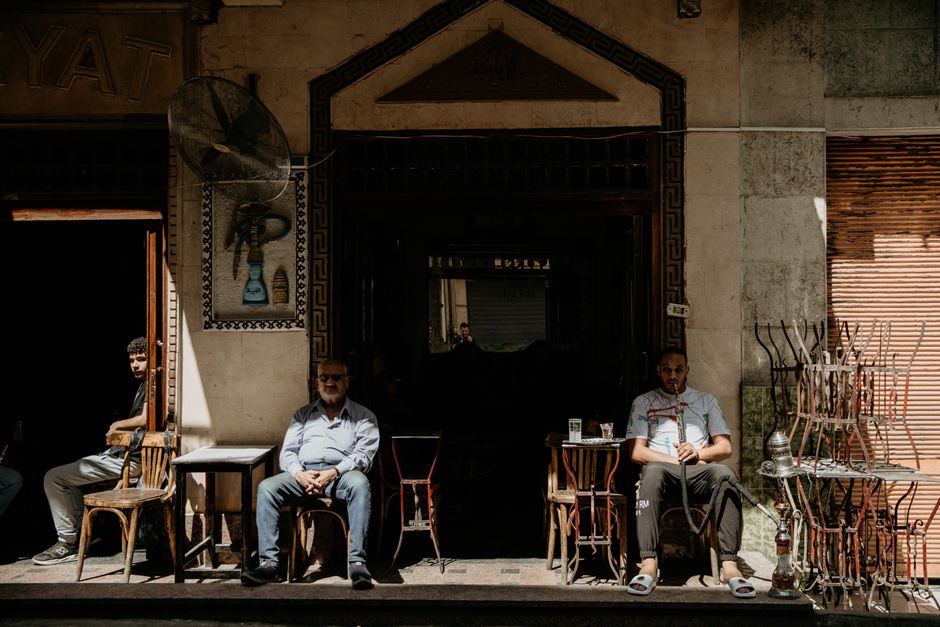
Then there's the layered geography of neighbourhoods that operate almost like separate cities within the metropolis. Downtown Cairo, anchored by Tahrir Square and Qasr El Nile Street, pulses with 1920s grandeur and contemporary energy. Islamic Cairo—the medieval warren around Khan El-Khalili bazaar—exists in a temporal bubble where commerce, craftsmanship and prayer calls structure the day as they have for centuries. Heliopolis, designed by Belgian industrialist Baron Empain, feels transplanted from Belle Époque Europe. New Cairo, spreading east toward the new administrative capital, represents tomorrow's ambitions.
Cost of living remains radically different from peer cities. A one-bedroom apartment in central neighbourhoods averages 8,000-15,000 EGP monthly (roughly $260-490). A meal at mid-range restaurants runs 100-200 EGP. This isn't Bangkok or Lisbon affordability—this is elsewhere entirely.
What truly sets Cairo apart, though, is the intellectual and creative ferment. The American University in Cairo, international NGOs, media organizations, and a burgeoning startup scene centered around areas like New Cairo create a cosmopolitan expatriate community estimated at over 300,000 people. Yet unlike Dubai or Singapore, Cairo's expatriate culture never drowns out local voices. You're living within an Egyptian city, not a parallel expatriate enclave.
The city demands patience—traffic moves by mysterious rules, bureaucracy requires theatrical negotiation, and infrastructure reminds you that you're in a megacity of 20+ million with all the friction that entails. But that friction is precisely what makes Cairo irreplaceable. There's no other global city where ancient dynasty, colonial architecture, revolutionary history, and contemporary ambition collide so viscerally every single day.
Welcome to Cairo. You've never lived anywhere like this.
This article was compiled by AI and screened before publishing. See our editorial standards.