Cairo's Expat Renaissance: Why Longtime Locals Are ...
Fresh infrastructure upgrades, a booming cultural scene, and smarter urban planning have transformed Cairo's appeal—and residents are noticing.
Fresh infrastructure upgrades, a booming cultural scene, and smarter urban planning have transformed Cairo's appeal—and residents are noticing.
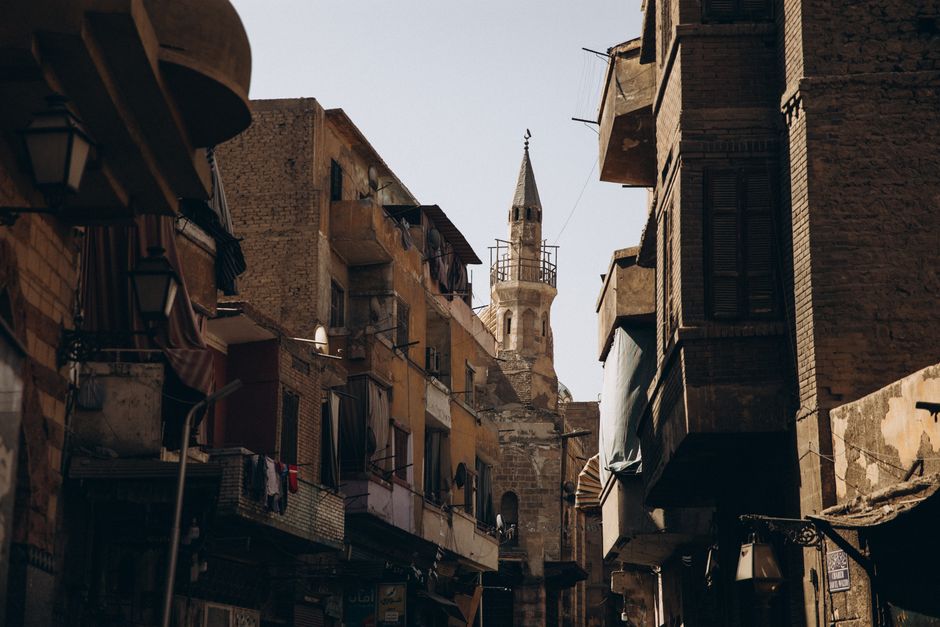
For years, Cairo's expatriate community watched from the sidelines as the city grappled with congestion, aging utilities, and limited lifestyle amenities. But 2026 marks a turning point. Both newcomers and established residents are discovering a Cairo that feels tangibly different—more liveable, more dynamic, and frankly, more fun.
The most visible change is the New Administrative Capital corridor's ripple effect on Greater Cairo itself. With government offices and international institutions relocating eastward, the pressure on central districts like Zamalek and Garden City has eased considerably. Traffic on 26th July Street—once a parking lot by mid-morning—now flows with relative predictability. Property rental prices in these traditionally expensive neighbourhoods have stabilised for the first time in a decade, making them accessible to mid-level professionals and remote workers.
Infrastructure investment tells the real story. The expansion of Cairo's metro system into Heliopolis and beyond has created unexpected cool zones. The newly renovated Heliopolis neighbourhoods now boast walkable stretches of revitalised colonial architecture alongside contemporary cafés and co-working spaces. Young professionals particularly gravitate toward these areas, where a cappuccino costs 45–55 EGP and high-speed internet is reliable.
But perhaps the most exciting shift is cultural. The proliferation of independent galleries, theatres, and music venues—particularly around Downtown Cairo and the Gezira arts precinct—has created a genuine creative ecosystem. The American University in Cairo continues anchoring intellectual life, while spaces like the recently expanded Museum of Modern Egyptian Art on Gezira Island have become genuine cultural draws, not just tourist checkboxes.
Service quality improvements matter too. International schools and healthcare providers have upgraded facilities markedly. The British International School's new campus in New Cairo and the expansion of Cleopatra Hospital's diagnostic centres reflect growing confidence in Cairo's future. Expat parents—historically Cairo's most demanding demographic—report measurably improved satisfaction.
Dining has undergone genuine transformation. Beyond the eternal favourites in Zamalek, neighbourhoods like Maadi and Dokki now host inventive restaurants exploring Egyptian ingredients with contemporary techniques. The farm-to-table movement has taken root; several venues now source directly from small producers in Fayoum and the Delta.
What locals and newcomers alike appreciate most is this: Cairo feels like it's investing in itself rather than simply managing decline. The city retains its historic chaos and character—nobody comes to Cairo expecting Swiss efficiency. But the trajectory is undeniably upward. For expats arriving in 2026, Cairo presents not a hardship posting but a genuine opportunity to inhabit a major global city in genuine flux. And for long-term residents, that's reason enough to smile.
This article was compiled by AI and screened before publishing. See our editorial standards.
How does this story make you feel?
Spread the word
About this article
Published by The Daily Cairo
Daily brief
Free, in your inbox before 7am. Weekdays.
More in lifestyle