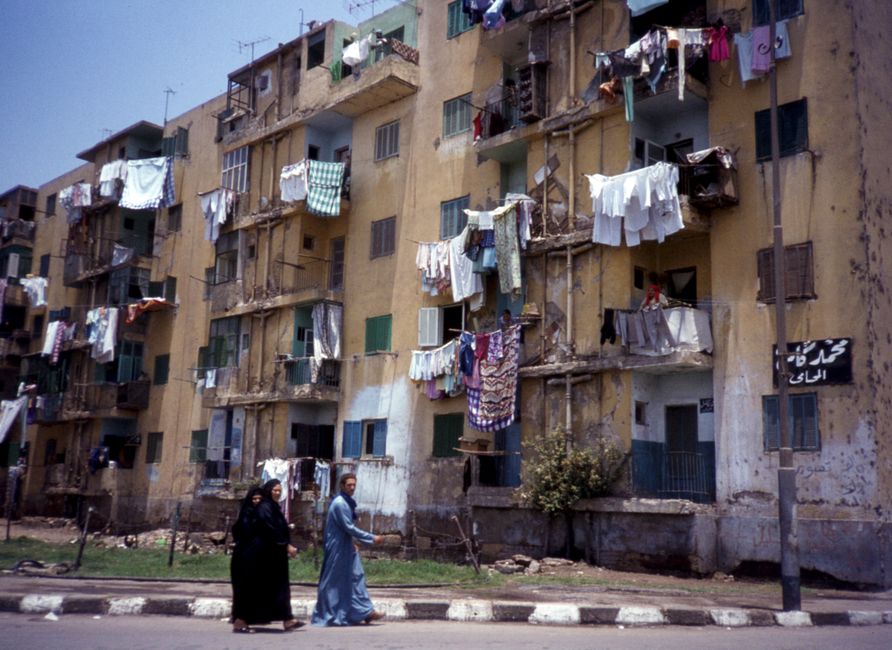
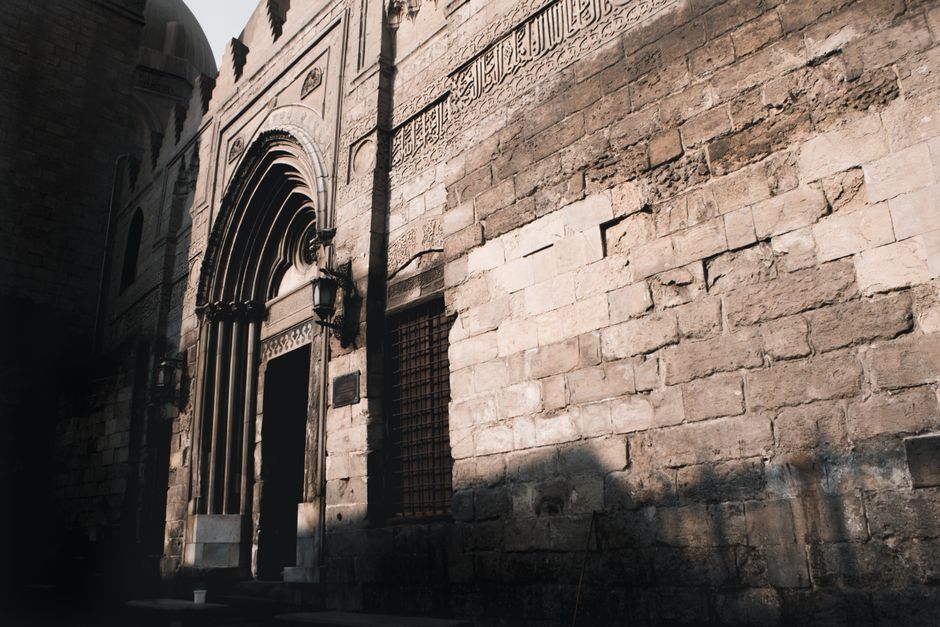
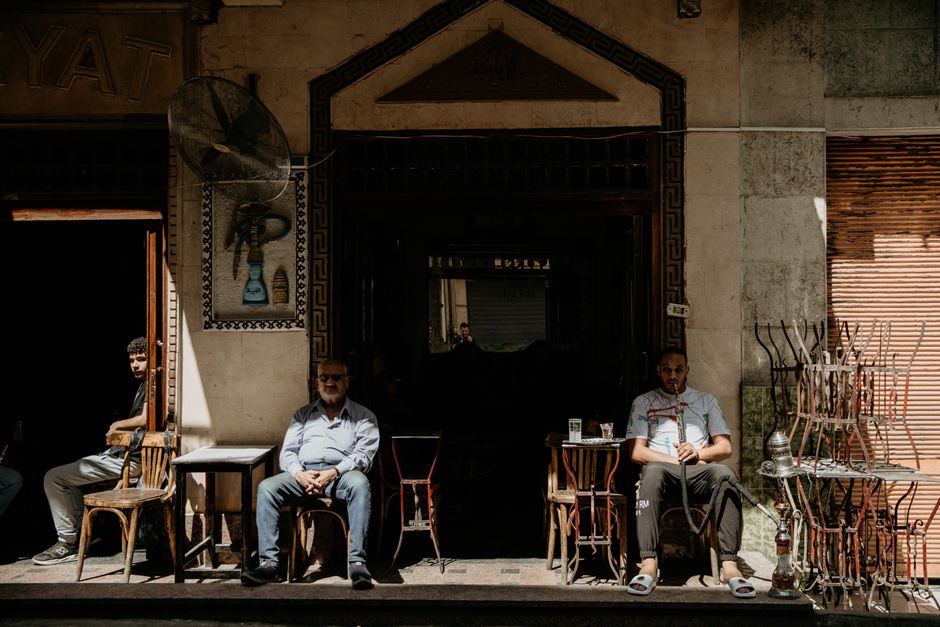
Cairo's parenting landscape is as layered as the city itself. Walk through Maadi on a Thursday afternoon, and you'll encounter a particular kind of childhood: schoolchildren in crisp uniforms streaming out of institutions like Maadi British School and Modern Egyptian School, parents gathering at cafés like Zamalek's Sequoia or the neighbourhood's own community hubs. The suburb, stretching along the Nile's east bank, has cultivated a reputation as Egypt's most family-centric neighbourhood, where tree-lined streets and gated compounds create pockets of predictability in an otherwise frenetic metropolis.
The character of parenting here often reflects economic reality. Tuition at international schools ranges from 150,000 to 400,000 Egyptian pounds annually—accessible primarily to Cairo's professional elite and expatriate communities. Yet neighbourhood parks like those dotting Maadi's grid remain free, and the social infrastructure around schools creates organic friendships that span generations. Parents report that school runs and playground encounters build genuine community bonds, unlike more transient urban neighbourhoods.
Zamalek presents a different dynamic entirely. This island neighbourhood, accessed primarily via two bridges, has traditionally attracted writers, diplomats and creative professionals. The relative isolation breeds an insular but tight-knit community. Schools here—including international options and private Arabic-language institutions—benefit from Zamalek's established social networks. Weekend activities cluster around the Zamalek Club, bookshops, and cultural venues, creating a childhood experience oriented toward arts and intellectual engagement rather than commercial consumption.
Heliopolis, Cairo's garden city, offers yet another variation. Designed in the early twentieth century with spacious streets and villas, it maintains a residential character that appeals to middle-class and upper-middle-class families seeking relief from central Cairo's density. Schools here serve communities with deeper Egyptian professional roots—lawyers, doctors, academics—creating different social dynamics than expatriate-heavy neighbourhoods. The cost of living remains lower than Maadi, with family-oriented cafés and community spaces embedded throughout the neighbourhood's historic layout.
What unites these disparate areas is a reliance on informal networks. Cairo parents—regardless of neighbourhood—build support systems through school communities, extended family clusters, and neighbourhood friendships. Domestic helpers remain common, freeing parents for work while maintaining household stability. Yet the school run, the weekend gathering, and the shared concern over Cairo's traffic and pollution create genuine bonds between families navigating similar challenges.
As Cairo continues evolving, these neighbourhoods preserve something increasingly rare: spaces where childhood unfolds within coherent community structures, where neighbours know each other, and where schools function as genuine social anchors rather than service providers alone.
This article was compiled by AI and screened before publishing. See our editorial standards.