Walk down 26th of July Street in Zamalek today and you'll notice something shifting beneath the surface of this island neighbourhood's genteel façade. Where marble-floored apartment buildings once dominated an expat landscape frozen in time, a quieter but unmistakable transformation is underway—one that's redefining what it means to relocate to Cairo's most coveted address.
For decades, Zamalek served as the default choice for international arrivals: secure, English-speaking, expensive, and predictably Western. But the neighbourhood's evolution over the past 18 months tells a different story. The arrival of three new co-working hubs—including a sprawling 500-square-metre space that opened near the Zamalek Club in early 2026—reflects a new breed of remote workers and digital entrepreneurs choosing the island not for nostalgic comfort, but for practical connectivity. Monthly membership costs range from 1,200 to 2,500 EGP, undercutting central business district rates while maintaining the neighbourhood's quieter character.
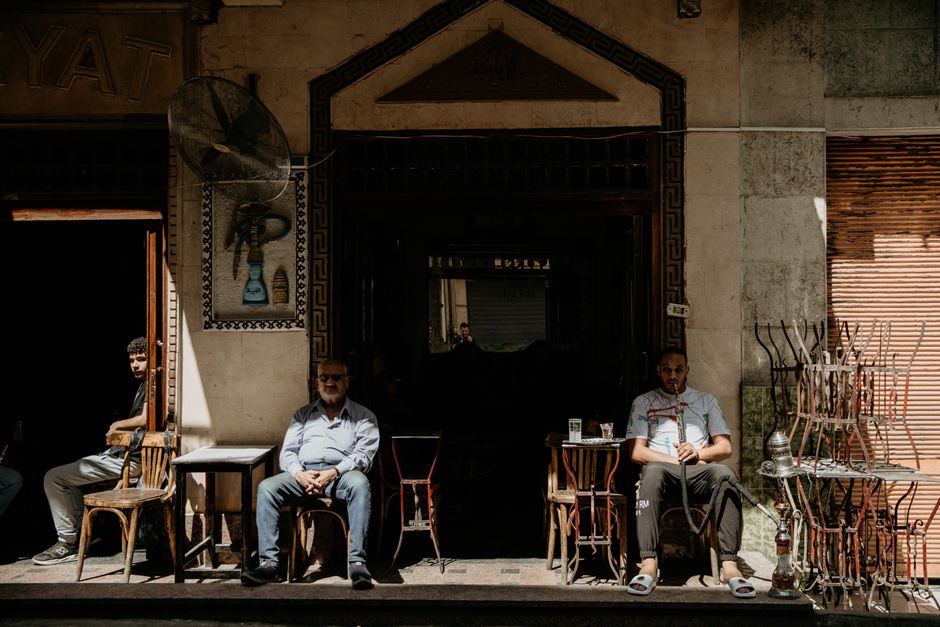
Equally telling is the café scene. Where coffee culture once meant international chains clustered around the Nile Corniche, independent venues focusing on Egyptian specialty roasts and plant-based offerings have proliferated. Three new independent cafés opened within six blocks of the British International School between January and May 2026, each marketing themselves to younger expats and digitally native professionals rather than the traditional expatriate establishment.
Housing dynamics are shifting too. Rental prices for two-bedroom apartments have plateaued around 3,500–5,500 EGP monthly, a marked change from the relentless appreciation of previous years. Real estate agents report a growing proportion of short-term rentals marketed toward remote workers on six to twelve-month leases, suggesting a more transient but economically engaged newcomer class.
This evolution matters for new arrivals. The Zamalek of 2026 still offers the neighbourhood's traditional strengths: proximity to the American University in Cairo, walkable streets, and the island's unmatched Nile views. But increasingly, it's shedding the reputation as a retirement community for long-serving diplomats. Young families drawn by the neighbourhood's schools now compete for space with freelancers, startup founders, and digital creators building businesses that span continents.
For expats considering relocation to Cairo, the question is no longer whether Zamalek offers stability—it always has. The question becoming more relevant is whether this neighbourhood's new energy, tempered by accessible co-working infrastructure and independent creative spaces, aligns with how you'll actually work and live. For many arriving in 2026, the answer is increasingly yes.
This article was compiled by AI and screened before publishing. See our editorial standards.