On any Friday night, the rhythm of Cairo's neighbourhoods pulses differently depending on which street corner you choose. The bar scene here isn't merely about cocktails and music—it's become a litmus test for how Cairo's diverse communities are reconnecting after years of economic pressure and social fragmentation.
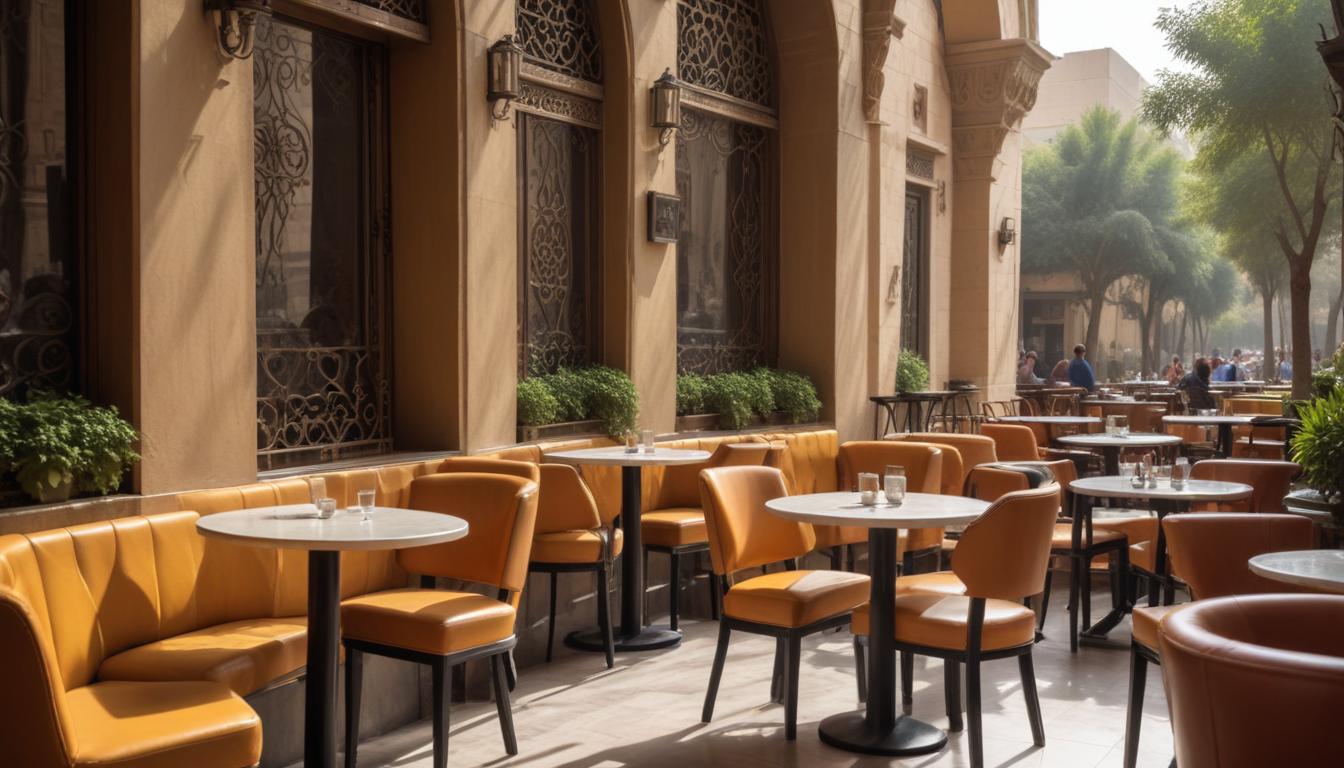
Zamalek remains the city's oldest established entertainment district, where venues along 26th of July Street have become informal gathering spaces for creative professionals and established families alike. The neighbourhood's island geography naturally creates insularity, yet this has fostered tight-knit social circles. Regular patrons form stable communities, often spanning decades. Local musicians rotate through venues, creating predictable rhythms that draw people seeking familiar faces rather than novelty.
Meanwhile, Heliopolis tells a different story entirely. The northeastern neighbourhood, built as a planned community a century ago, has seen its bar culture shift dramatically. Where once exclusive clubs dominated, newer venues on Triumphal Street now cater to younger professionals earning 8,000-15,000 EGP monthly—a demographic increasingly willing to spend 150-250 EGP per drink at rooftop bars. These spaces function as professional networking hubs as much as social venues, reflecting how Cairo's expanding middle class uses nightlife.
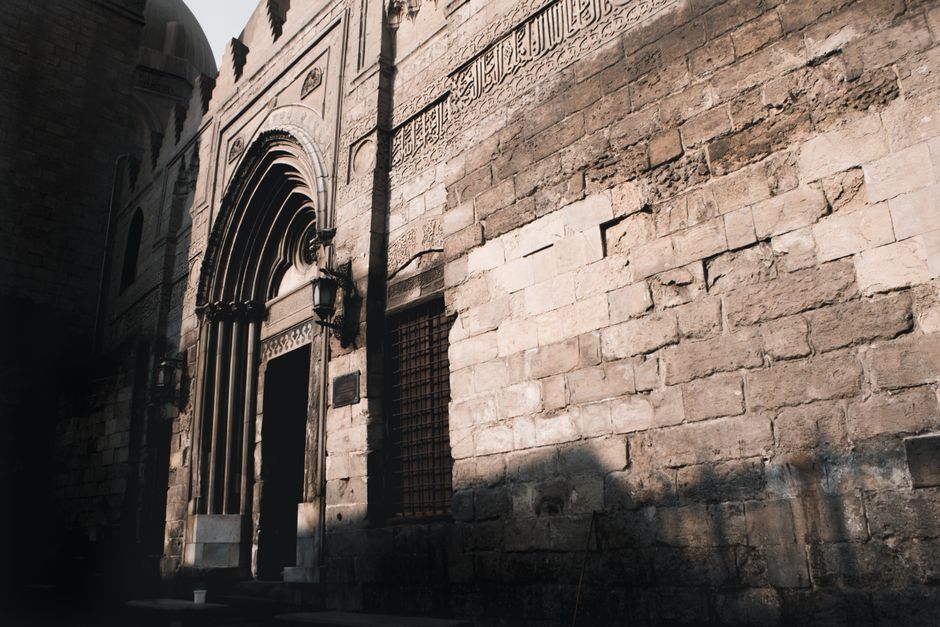
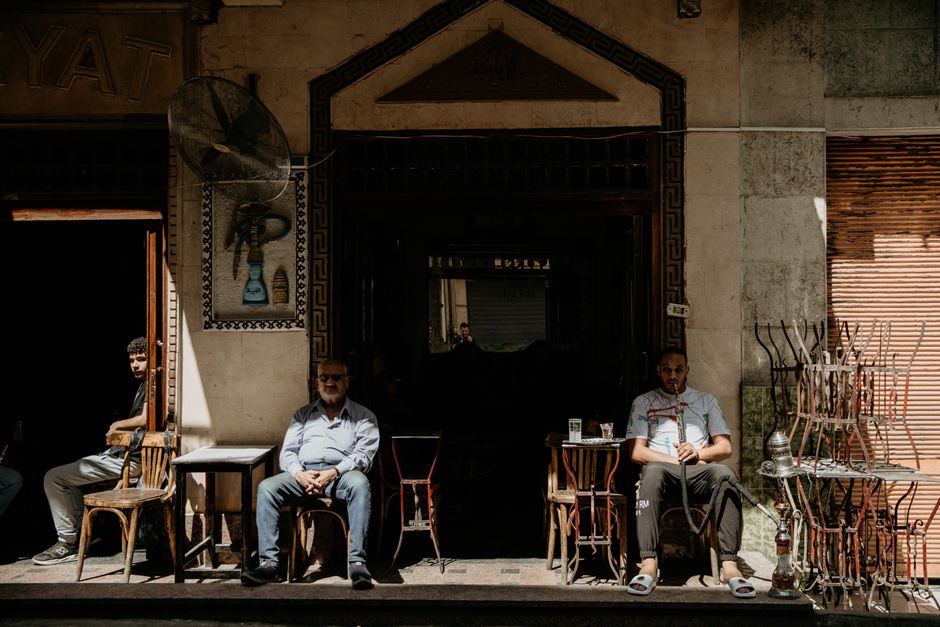
Downtown Cairo's renaissance has been most dramatic. Venues clustered around Mohamed Mahmoud Street and the surrounding downtown quarter have become cultural laboratories. Mixed-use spaces blend live performance, art exhibitions, and casual drinking, attracting university students, artists, and international residents. The neighbourhood's historic character—ornate 1920s buildings, narrow passageways, street vendors operating until midnight—creates organic social density that newer developments cannot replicate.
What unites these geographically distinct scenes is an emerging emphasis on local ownership and community reinvestment. Unlike the early 2000s, when international chains dominated Cairo's upscale venues, today's most vibrant bars are independently operated, often by neighbourhood residents recycling family properties into hospitality spaces. This shift reflects broader Egyptian consumer preferences toward authentic, locally-rooted experiences.
The social fabric these venues create extends beyond entertainment. They've become informal forums where Cairo's fragmented neighbourhoods process collective anxieties and celebrate small victories. During volatile periods, neighbourhood bars function as anchors—places where regulars check on each other's wellbeing.
Cairo's bar scene ultimately reveals what sociologists have long observed: humans need third places. In a megacity of 20 million often defined by transience and anonymity, these neighbourhood venues serve as crucial social infrastructure, where community identity still matters more than consumption habits.
This article was compiled by AI and screened before publishing. See our editorial standards.