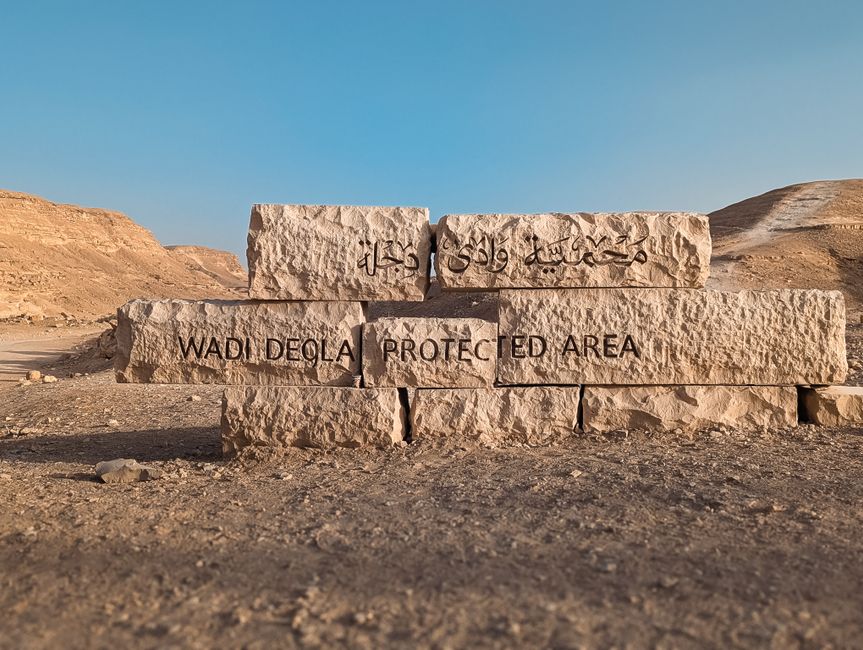
Five years ago, Wadi Degla National Protectorate was primarily the domain of serious hikers and nature enthusiasts willing to navigate the rocky terrain east of Maadi. Today, the 4,280-hectare reserve has transformed into something far more complex—a barometer of how Cairo's leisure culture is shifting toward sustainability and wellness, even as urban pressures mount.
The shift accelerated dramatically after 2023, when enhanced infrastructure made the reserve more accessible. The newly paved entry roads and designated parking areas near the main gates have democratized what was once an exclusive pursuit. Where entry fees once discouraged casual visitors at 30 Egyptian pounds, weekend crowds now regularly exceed 2,000 people across multiple access points.
"We're seeing entirely new demographics," says the reserve's management structure, which has expanded programming to include guided birdwatching tours, family-oriented nature walks on easier trails, and wellness activities like meditation sessions at scenic overlooks. Weekend morning groups now routinely gather near the Wadi's northern entrance for yoga and tai chi—activities virtually absent from the landscape two years ago.
This evolution reflects broader changes in Cairo's weekend culture. With fuel prices climbing and traffic congestion making traditional outings to the North Coast increasingly uneconomical for many households, accessible day-trip alternatives within the metropolitan area have gained traction. Wadi Degla's proximity to eastern Cairo neighborhoods—Maadi, Helwan, and the growing communities along the Ring Road—means residents can reach the reserve in 20-40 minutes.
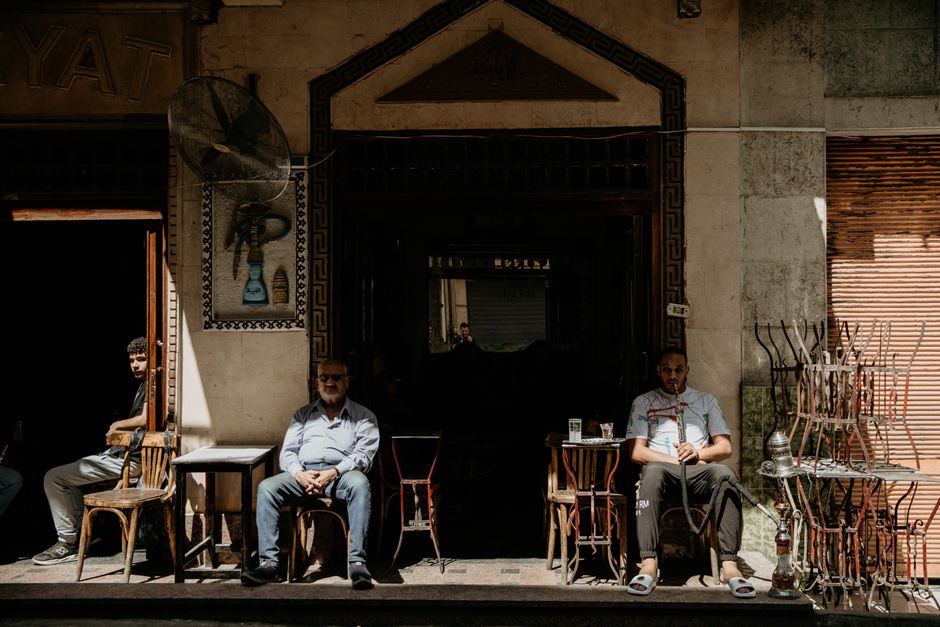
The café culture at the reserve's entrance has expanded correspondingly. Where a single beverage stand operated in 2021, three properly licensed establishments now operate, offering everything from traditional Egyptian tea to specialty coffee, with prices ranging from 15 to 50 pounds. This professionalization suggests the reserve has moved from niche destination to mainstream leisure venue.
Yet the transformation raises questions about sustainability. Environmental monitoring groups have flagged concerns about waste management and trail degradation, particularly along the most popular routes. Weekend visitor numbers sometimes spike to 3,500, testing the reserve's capacity.
Still, for Cairenes seeking respite from urban density, Wadi Degla represents something valuable: a weekend getaway that doesn't require expensive travel, extended time away, or fuel expenditure. As the city continues its sprawl and intensification, these accessible natural spaces are becoming crucial pressure valves in the metropolitan landscape.
This article was compiled by AI and screened before publishing. See our editorial standards.