Gold at $4,187, Oil Sliding, Bitcoin Surging: What Cairo Residents Should Do Now
A dramatic split in global commodity markets is reshaping the investment calculus for Egyptian savers, EGX shareholders and anyone holding foreign currency.
A dramatic split in global commodity markets is reshaping the investment calculus for Egyptian savers, EGX shareholders and anyone holding foreign currency.
Gold hit $4,187 an ounce on Friday, a gain of more than 4 percent in a single session, and that number matters more to Cairo households than most will realise. Egypt is among the world's most gold-sensitive consumer economies, where families routinely park savings in 21-carat jewellery and bullion as a hedge against pound volatility. At current prices, that strategy is paying off handsomely. Anyone who converted even a modest sum into physical gold in early 2025, when the precious metal was trading well below $3,000, is sitting on real gains that dwarf the returns available from most Egyptian Treasury bill auctions this year.
The same session that lifted gold delivered a sharp rebuke to oil bulls. WTI crude fell to $68.78 a barrel, a drop of nearly 2.8 percent, as OPEC-plus production discipline continues to erode and demand signals out of Europe and Asia disappoint. For Egypt, which has been managing a difficult energy subsidy bill, cheaper crude is a genuine fiscal relief valve. The government's subsidy obligations ease when Brent and WTI track lower, which in theory frees budget headroom for capital spending or debt service on the country's substantial external obligations. Residents who heat with butane or drive petrol-powered vehicles should watch whether the Ministry of Petroleum passes any of this crude price relief through to pump prices in the coming weeks. History suggests it does so slowly, if at all.
The euro climbed to $1.1440 against the dollar on Friday, a 0.47 percent gain that reflects broad dollar softness. That matters to Egyptians because the pound's managed float is anchored in large part to dollar dynamics. A weaker dollar generally eases pressure on the Central Bank of Egypt to defend the pound aggressively through foreign reserve drawdowns. Importers, who price contracts in dollars, find their costs fall in local-currency terms when the greenback retreats, and that can take some heat off the imported inflation that has squeezed Egyptian consumers since the 2022 and 2024 devaluation cycles. The effect is not immediate, but traders on the Egyptian Exchange's food-production and consumer-goods counters tend to price this in within a quarter.
On Wall Street, the mood was unambiguously risk-on. The S&P 500 rose 1.71 percent to 7,483 and the Nasdaq Composite added 1.87 percent to close at 25,833. Both indices are now deep in territory that would have seemed implausible eighteen months ago. For the growing segment of Cairo's professional class holding US-listed equities through brokerage platforms or dollar-denominated funds, this is a week to review portfolio concentration. American technology stocks have driven the bulk of these gains, and analysts broadly note that valuations at these levels leave little margin for earnings disappointment in the second half of 2026.
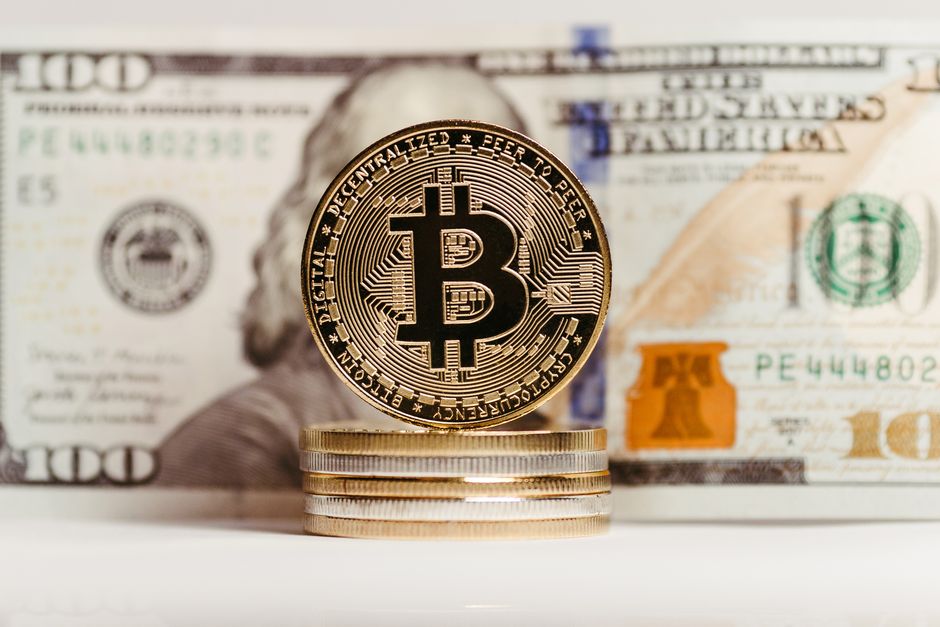
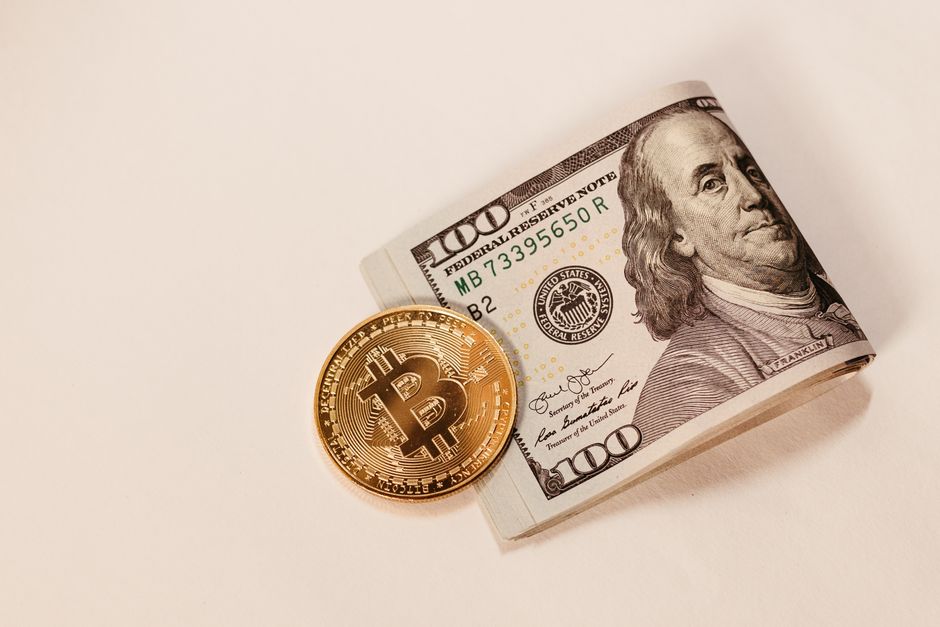
Bitcoin's move deserves particular attention. The cryptocurrency jumped 6.66 percent to $62,456 on Friday, its largest single-day gain since April. Egyptian retail interest in crypto has grown substantially since the Central Bank of Egypt issued its digital-asset framework guidance in late 2025, and several Cairo-based exchanges report sharply higher registration numbers among 25-to-40-year-old users. The surge in Bitcoin appears tied to the same dollar-weakness narrative driving gold, with investors in both assets betting that US fiscal deficits will continue to pressure the greenback. The key risk for local holders is the pound conversion leg: gains made in dollars only crystallise once converted back, and that process carries both regulatory and exchange-rate friction in Egypt's still-evolving digital-asset environment.
On the Egyptian Exchange itself, sentiment has been cautiously constructive heading into the second half of the year. The EGX 30 has benefited from portfolio inflows tied to Egypt's ongoing IMF programme review, with the fourth tranche disbursement having provided a confidence anchor earlier this year. Banking stocks, which dominate the index by market capitalisation, have held firm as net interest margins remain elevated. Real-estate and construction counters tracked lower through June, however, reflecting the same affordability pressures that have cooled property markets globally. Families considering property purchases in New Cairo or the New Administrative Capital districts face a market where developers are still pricing in earlier construction-cost inflation even as global commodity inputs, including oil, ease.
The practical read for Cairo residents this weekend: the macro environment is unusually fluid, with safe-haven assets like gold and speculative assets like Bitcoin both surging simultaneously, which typically signals investor uncertainty about the direction of the US economy rather than straightforward optimism. For savers in Egypt, that uncertainty argues for maintaining diversification across pound-denominated instruments, hard assets and, for those with the risk tolerance, selective exposure to dollar-linked securities. Chasing any single trade after a week this dramatic is precisely the wrong response.
How does this story make you feel?
Spread the word
About this article
Published by The Daily Cairo
Daily brief
Free, in your inbox before 7am. Weekdays.
More in Finance