Gold at $4,187 and Oil Sinking: What the Quarter's Commodity Shock Means for Cairo Investors
A dramatic divergence between bullion and crude is reshaping the resources calculus for EGX-listed energy and mining plays heading into Q3.
A dramatic divergence between bullion and crude is reshaping the resources calculus for EGX-listed energy and mining plays heading into Q3.
Gold crossed $4,187 a troy ounce on Friday, surging 4.10 percent in a single session, while WTI crude slumped to $68.78 a barrel, off 2.78 percent on the day. That gap, bullion racing higher while oil retreats, is not noise. It is the clearest signal yet of where institutional money sees the balance of risks in the second half of 2026, and Cairo's investor community, with its acute sensitivity to commodity export revenues and the Egyptian pound's hard-won stability, should pay close attention.
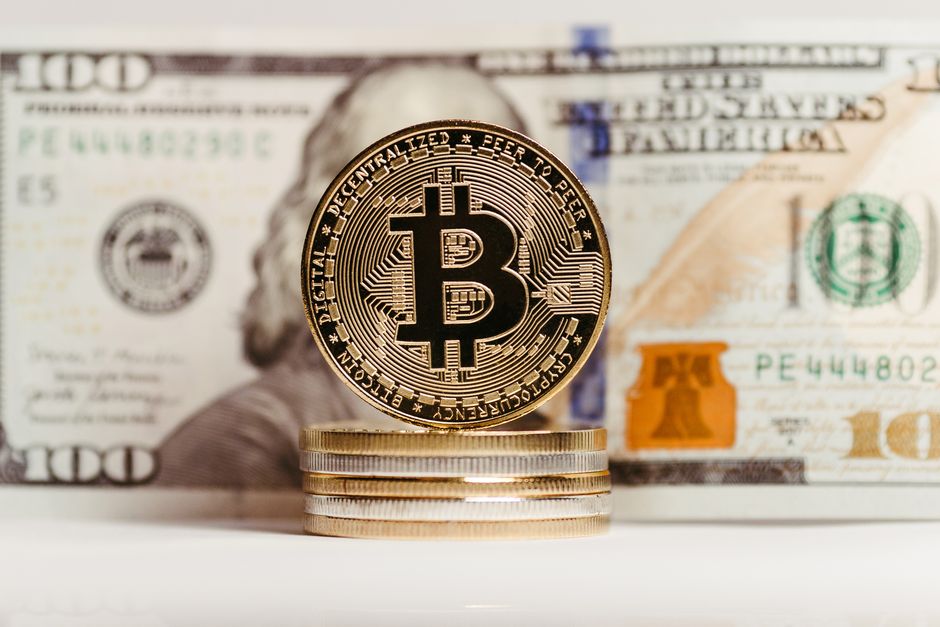
The gold move is striking even by the standards of this turbulent year. A spot price above $4,000 was a psychological threshold that many analysts had pencilled in for late 2026 at the earliest. The fact that it has arrived in early July, and with such momentum, reflects a combination of factors: persistent central bank accumulation across emerging-market economies, ongoing dollar uncertainty, and a risk-off bid that is simultaneously lifting Bitcoin, which jumped 6.63 percent to $62,441 on the same session. When gold and crypto rally together that sharply, markets are hedging against something systemic, not merely rotating between sectors.
For readers with positions on the Egyptian Exchange, the commodity divergence cuts both ways. Egypt remains a net energy importer on the refined-products side, meaning a sustained decline in WTI crude toward the mid-$60s provides genuine relief on the import bill and, by extension, on subsidy financing. The government's ongoing structural reforms under the IMF's Extended Fund Facility, which unlocked a $3 billion programme in 2022 and was subsequently extended, were partly premised on reducing the fiscal drag from energy subsidies. Cheaper crude gives the Ministry of Finance room it did not have twelve months ago.
Gold is a different story, and a more complicated one. Egypt has meaningful domestic gold production centred on the Eastern Desert concessions operated by companies including Centamin, which runs the Sukari mine, and a collection of smaller junior explorers. Sukari alone has historically produced more than 400,000 ounces annually. At spot prices above $4,000, the project-level economics become almost absurdly attractive; even high-cost deposits that were marginal at $2,500 an ounce are generating exceptional free cash flow at current prices. The Egyptian General Petroleum Corporation and the Mineral Resources Authority will be watching royalty receipts tick upward in real time.
The currency angle matters here too. The Egyptian pound, which underwent a significant managed depreciation in 2024 before finding a more stable footing, means that Egyptian gold revenues priced in dollars translate into a larger pound-denominated figure at the sovereign level. That is a tailwind for EGX-listed mining-adjacent equities, though the transmission to retail investors has historically been uneven given the sector's thin free float and limited analyst coverage on the exchange.
Equities globally are not ignoring these signals. The S&P 500 climbed 1.71 percent to 7,483 on Friday, with the Nasdaq Composite adding 1.87 percent to close at 25,833, buoyed in part by energy-sector rebalancing and continued appetite for technology. The euro strengthened 0.47 percent against the dollar to 1.1440, a move that matters for Egyptian corporates with euro-denominated trade finance lines, particularly in the pharmaceuticals and fast-moving consumer goods sectors that import heavily from European suppliers.
Crude's weakness, however, deserves its own scrutiny. WTI at $68.78 reflects a market that is pricing in demand fragility, likely connected to softer manufacturing data out of China, which remains the marginal buyer of seaborne crude. Gulf producers within OPEC-plus have been attempting to defend a floor through coordinated output management, but compliance has been inconsistent among several member states. For Egypt, which exports Suez Blend crude and relies on Suez Canal transit fees as a dollar earner, a prolonged softening of oil prices compresses two revenue streams at once, even if the import savings partially offset that pressure.
The net read for the quarter ahead is a resources sector divided by commodity. Gold miners and royalty structures are entering Q3 with tailwinds that analysts would struggle to have forecast six months ago. Energy producers and refiners face headwinds that will only intensify if crude slides further toward the mid-$60s. Cairo-based pension funds and retail investors should be reviewing their EGX exposure with that bifurcation in mind, and considering whether the current gold price surge has already been priced into the equities they hold, or whether the earnings revisions are still to come when second-quarter results are reported later this month.
How does this story make you feel?
Spread the word
About this article
Published by The Daily Cairo
Daily brief
Free, in your inbox before 7am. Weekdays.
More in Finance