Cairo's Ancient Neighbourhoods Resist Global Urban Trends
Khan el-Khalili to Garden City: how Cairo's districts preserve tradition while adapting to modern life.
Khan el-Khalili to Garden City: how Cairo's districts preserve tradition while adapting to modern life.
Walk through Zamalek on a Friday morning and you'll encounter something increasingly rare in global cities: neighbourhoods that still function as genuine communities rather than consumption zones. While London's Notting Hill has become a Instagram backdrop and Singapore's Kampong Glam markets to tourists, Cairo's most distinctive districts remain lived-in spaces where multigenerational families occupy the same apartments, shopkeepers know their regulars by name, and street life follows rhythms unchanged for decades.
This isn't nostalgia—it's structural. Cairo's 21 million residents exist in a housing market fundamentally different from New York or Dubai. A three-bedroom apartment in Garden City rents for approximately 4,000-6,000 Egyptian pounds monthly (around $130-195 USD), making neighbourhood stability economically viable for middle-income families. Compare this to London's South Kensington averaging £2,500 monthly, and Cairo's affordability becomes its defining feature—one that preserves authentic community fabric.
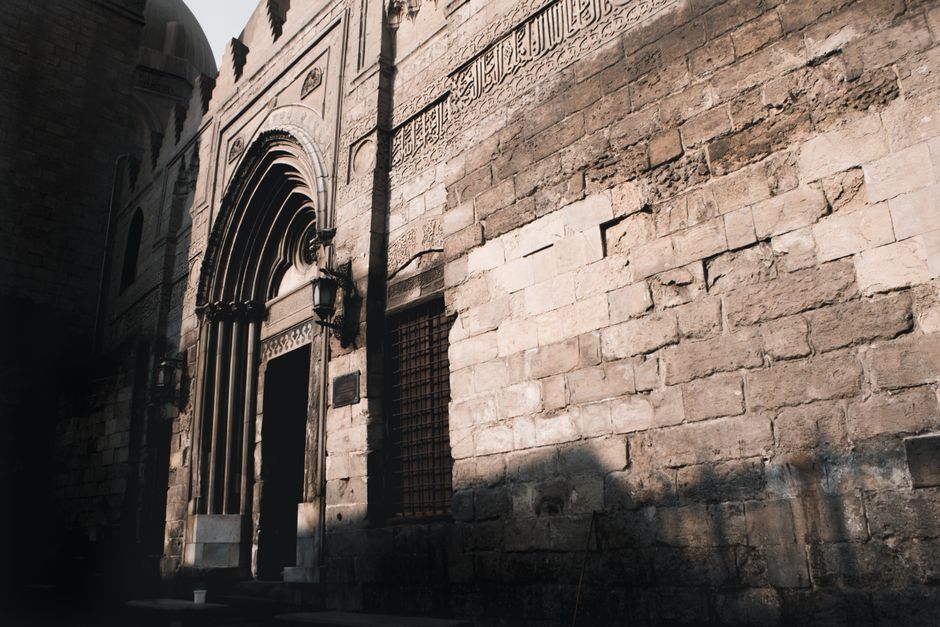
The Khan el-Khalili bazaar, sprawling across Islamic Cairo since the 14th century, operates on principles that contradict modern retail logic. Rather than consolidation, it fragments into hundreds of micro-specialties: entire alleys devoted to copper work, textile dyeing, or spice trading. This defies the global homogenisation of shopping—no international chains dominate. Vendors maintain family workshops passed through generations, creating economic resilience absent in cities reliant on corporate retail chains.
Meanwhile, neighbourhoods like Heliopolis reveal Cairo's urban sophistication. Designed in the 1900s as a planned garden suburb, it now functions as a self-contained ecosystem: tree-lined streets, Belle Époque architecture, independent pharmacies and bakeries clustered around Urabi Square. It's neither trendy nor forgotten—simply inhabited with quiet competence, avoiding the gentrification cycle plaguing Brooklyn or Barcelona.
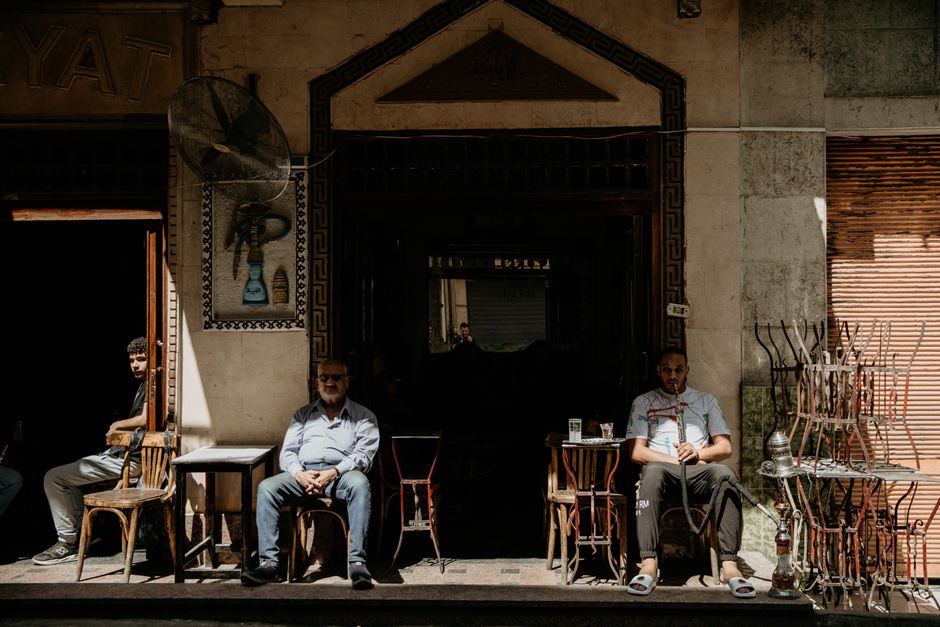
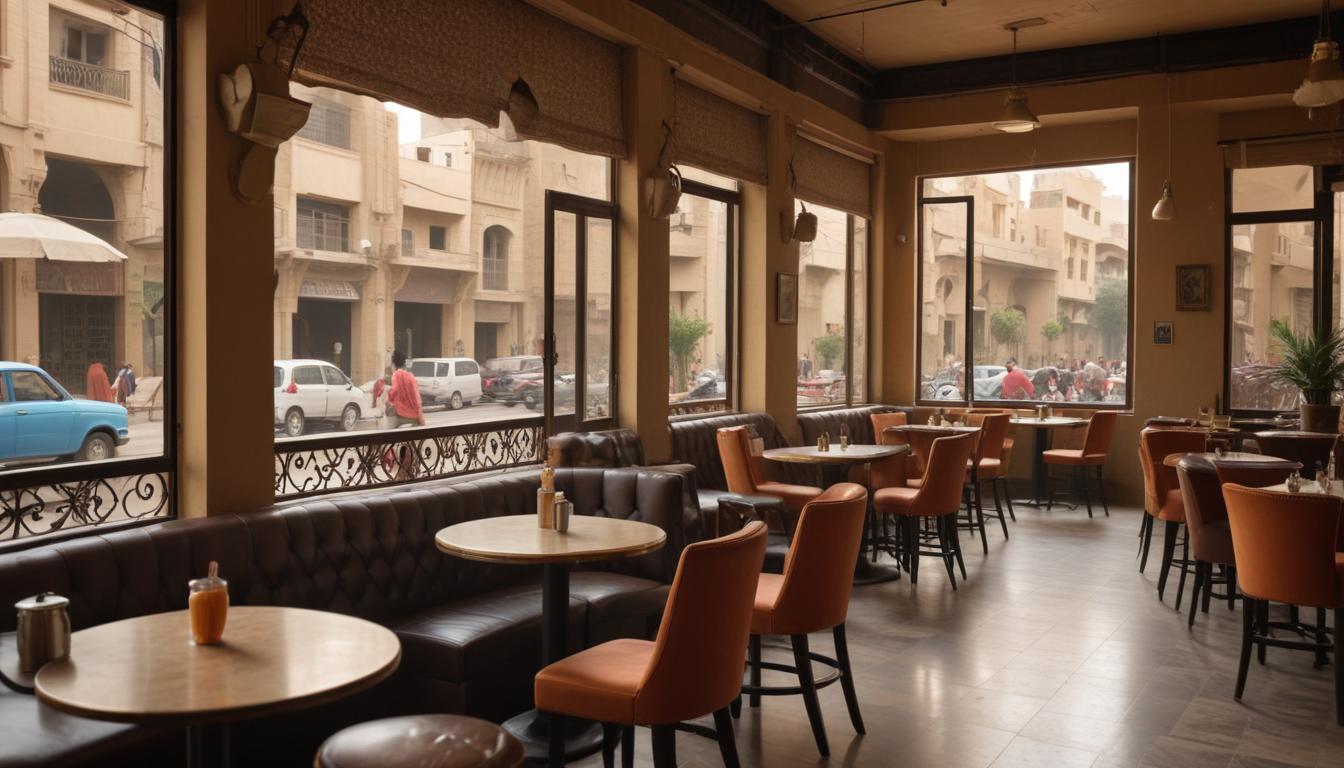
The real distinction lies in how Cairo's communities resist atomisation. Cairo Opera House district, Downtown, and Dokki each maintain cultural institutions—theatres, galleries, publishing houses—that serve residents rather than tourists. Neighbourhood cafés host intellectual circles; community organisers work through informal networks dating back decades.
Global cities increasingly resemble each other: identical coffee chains, algorithmic social media determining local culture, property speculation displacing residents. Cairo's neighbourhoods, constrained by economics and geography, instead preserve something vanishing worldwide: places where ordinary people live ordinary lives, where community precedes commerce, and where a neighbourhood's identity emerges from accumulated human presence rather than branding strategy.
That's what makes Cairo genuinely unique in 2026's homogenised urban landscape.
This article was compiled by AI and screened before publishing. See our editorial standards.
How does this story make you feel?
Spread the word
About this article
Published by The Daily Cairo
Daily brief
Free, in your inbox before 7am. Weekdays.
More in lifestyle