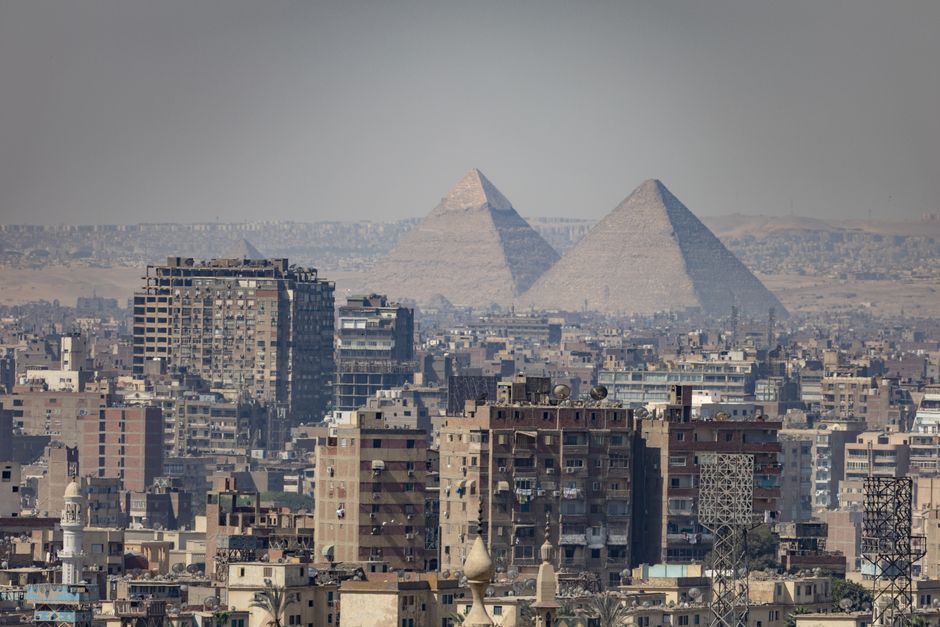
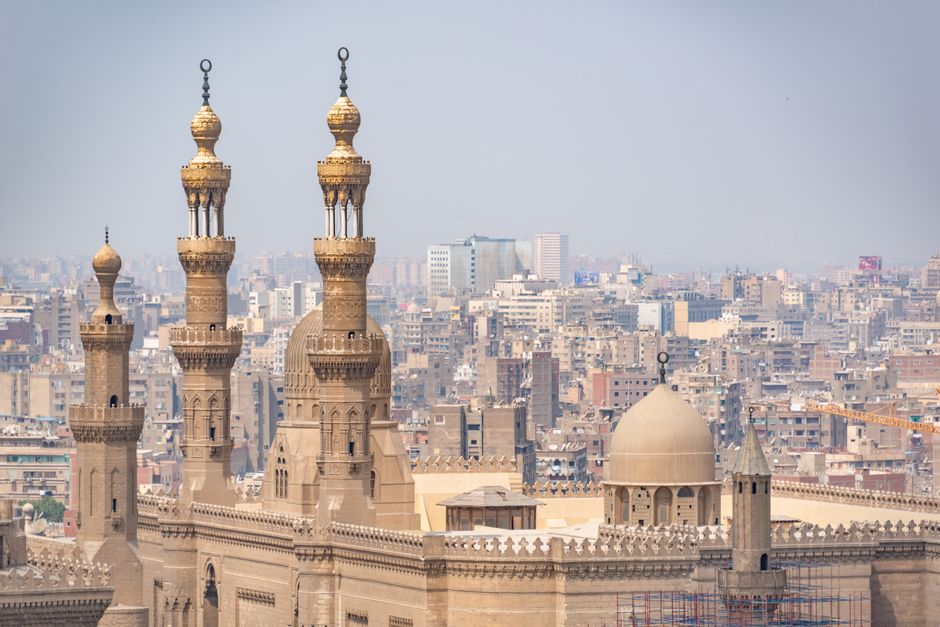
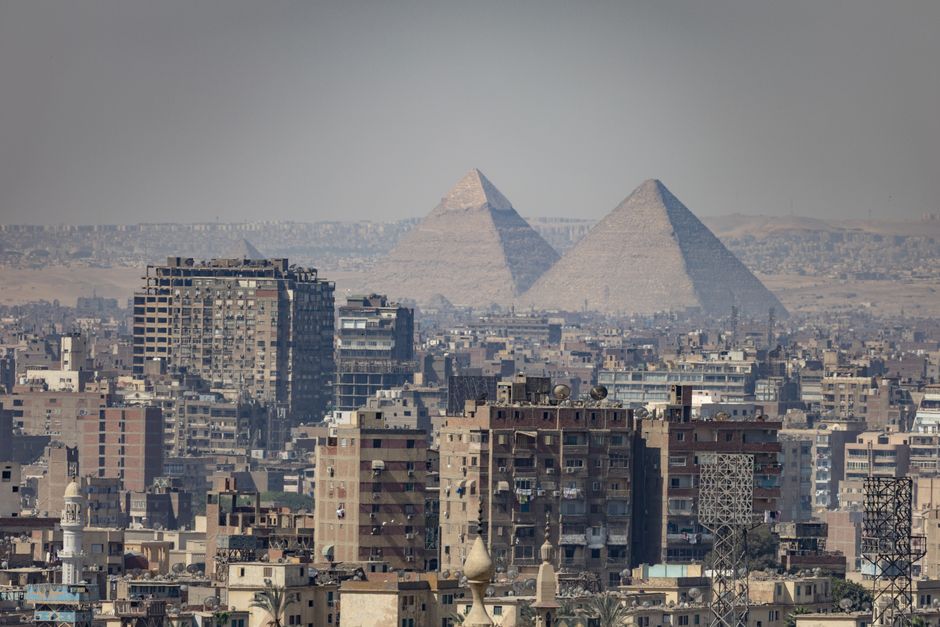
As Cairo grapples with mounting environmental pressures, a chorus of officials and sustainability experts is articulating a vision for transforming the capital's relationship with waste management, air quality, and green spaces.
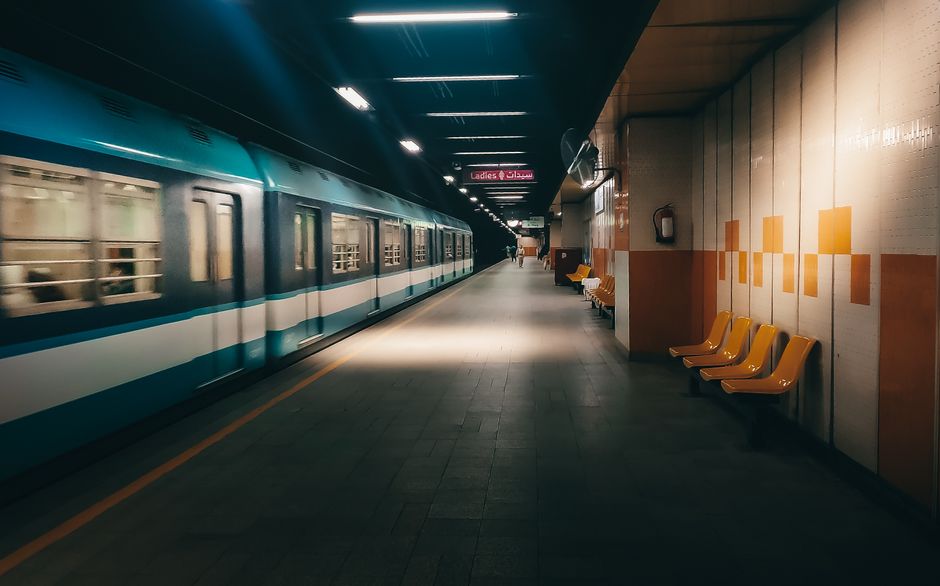
The Egyptian Environmental Affairs Ministry has signalled renewed commitment to addressing Cairo's notorious air pollution, which frequently ranks among the worst globally. Officials have pointed to investments in public transportation as central to reducing vehicular emissions that plague neighbourhoods from Helwan in the south to Nasr City in the east. The Cairo Metro expansion, they emphasise, remains critical infrastructure for a city where vehicle ownership has surged past 3.5 million units.
Dr. Khaled Fahmy, a leading environmental consultant working with Cairo's governorate, has highlighted the scale of the waste crisis confronting the city. Cairo generates approximately 16,000 tonnes of solid waste daily, yet infrastructure struggles to process it efficiently. Experts argue that informal waste collection networks, while historically absorbing some burden, require formal regulation and investment to operate sustainably.
The governorate's recent announcement regarding the New Administrative Capital's environmental blueprint has drawn scrutiny from urban planners. Officials claim the project incorporates sustainability principles absent from central Cairo's organic development. However, critics note that Cairo's existing urban fabric—stretching across Giza, Zamalek, and Downtown—presents far greater challenges than designing new infrastructure from scratch.
Water scarcity represents another focal point for expert commentary. As the Nile faces mounting pressures from upstream development and climate variability, Cairo officials acknowledge the city cannot sustain current consumption patterns. Representatives from the Water Resources Ministry have begun discussing agricultural reforms in the Delta, though these conversations remain politically sensitive given rural constituencies' dependence on irrigation.
Green initiatives at the district level show mixed results. The governor's office has promoted tree-planting campaigns along the Corniche and in Zamalek, while private developers have incorporated rooftop gardens into new commercial complexes. Yet experts caution that without coordinated citywide strategy, these projects remain isolated efforts.
Environmental scholars at Cairo University and the American University in Cairo have stressed that sustainability requires not merely technical solutions but fundamental shifts in urban planning philosophy. The current trajectory, they suggest, remains unsustainable without addressing Cairo's rapid population growth and informal settlement expansion.
Officials appear cognizant of the urgency, with government representatives increasingly acknowledging environmental concerns in public forums. Whether Cairo's leadership can translate rhetoric into systematic, funded action remains the critical question as the city confronts its most pressing urban challenges.
This article was compiled by AI and screened before publishing. See our editorial standards.