Cairo Grapples With Housing Crisis as Millions Live in Slums
Informal settlements overflow while new projects stall, forcing authorities to make decisions that will define Cairo's urban landscape for decades.
Informal settlements overflow while new projects stall, forcing authorities to make decisions that will define Cairo's urban landscape for decades.
Cairo stands at a pivotal moment in its urban evolution. The capital, home to nearly 21 million people across its metropolitan area, is grappling with decisions that will determine whether housing policy accelerates inequality or finally addresses the shortage that has left countless families in precarious conditions.
The scale of the challenge is staggering. Informal settlements—from Manshiyet Nasser in the south to sprawling neighborhoods across eastern Cairo—house an estimated 12 million residents living without secure property rights or basic infrastructure. Meanwhile, formal housing prices in desirable areas like Zamalek and Garden City have climbed beyond reach for middle-class families, with a modest apartment fetching 3.5 to 5 million Egyptian pounds. New Cairo and Sheikh Zayed developments offer alternatives, but remain inaccessible to ordinary workers.
The government's New Administrative Capital project, launched over a decade ago, has consumed enormous resources while leaving core questions unanswered: Will it genuinely redistribute population pressure, or simply create a secondary elite enclave? More immediately, housing officials must decide whether to expand the contentious 6th of October City corridor westward or prioritize infill development and rehabilitation in existing neighborhoods.
Several critical decisions loom. First, authorities must clarify their stance on informal settlement upgrades—a more cost-effective approach than wholesale demolition and relocation. The success of pilot projects in areas like Ezbet Khaled Ali has prompted calls for scaling up, but requires securing land tenure agreements and municipal coordination that has historically proved difficult.
Second, Cairo's real estate regulatory framework needs overhauling. Current restrictions on foreign investment and vague zoning regulations in neighborhoods like Helwan and 15th of May City discourage private development and investment. Whether the government liberalizes these rules will shape whether market forces help alleviate the shortage.
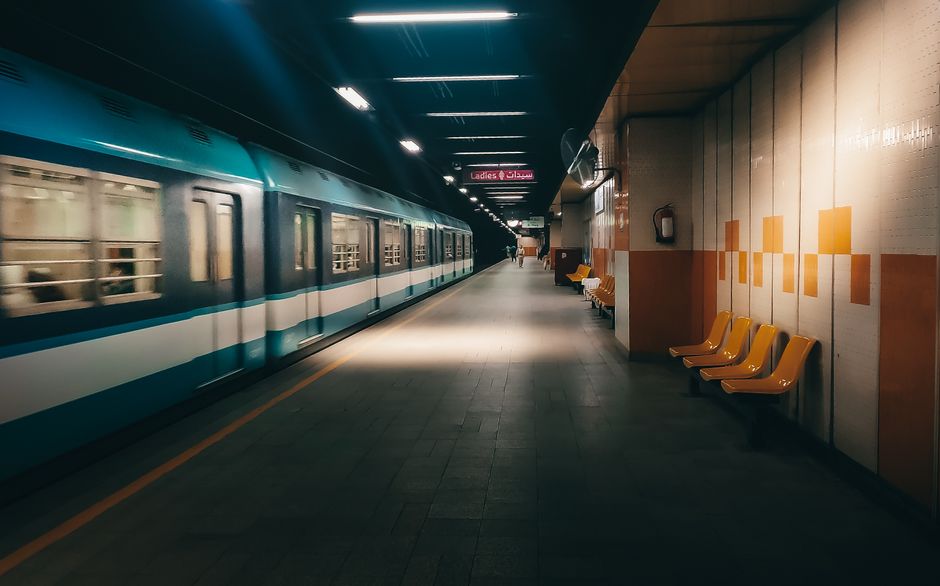
Third, public transport integration remains fundamental. Housing developments disconnected from the metro system—like those along the Cairo-Ain Sokhna corridor—create sprawl that strains infrastructure. Officials must decide whether future housing policies mandate transit access or continue permitting isolated projects.
The timeframe for these decisions is narrowing. Cairo's population growth continues at roughly 1.8 percent annually. Without coherent policy action in the next 18 months, the housing deficit could exceed 3 million units by 2030. Stakeholders across government, private developers, and civil society organizations are watching closely. The decisions made in the coming months will determine whether Cairo becomes a more equitable, integrated metropolis—or whether its deepening spatial and economic fragmentation continues unabated.
This article was compiled by AI and screened before publishing. See our editorial standards.
How does this story make you feel?
Spread the word
About this article
Published by The Daily Cairo
Daily brief
Free, in your inbox before 7am. Weekdays.
More in News