Cairo Crime Surges 23% in Major Districts
New official data reveals sharp rise in reported incidents across capital's busiest areas, raising questions about safety measures.
New official data reveals sharp rise in reported incidents across capital's busiest areas, raising questions about safety measures.

A comprehensive review of crime statistics released by Cairo's General Security Directorate for the first half of 2026 paints a sobering picture that contradicts recent municipal reassurances about urban safety. The numbers—drawn from incident reports across eleven administrative zones—suggest the capital faces mounting pressure on its emergency response infrastructure even as the city braces for the upcoming tourism season.
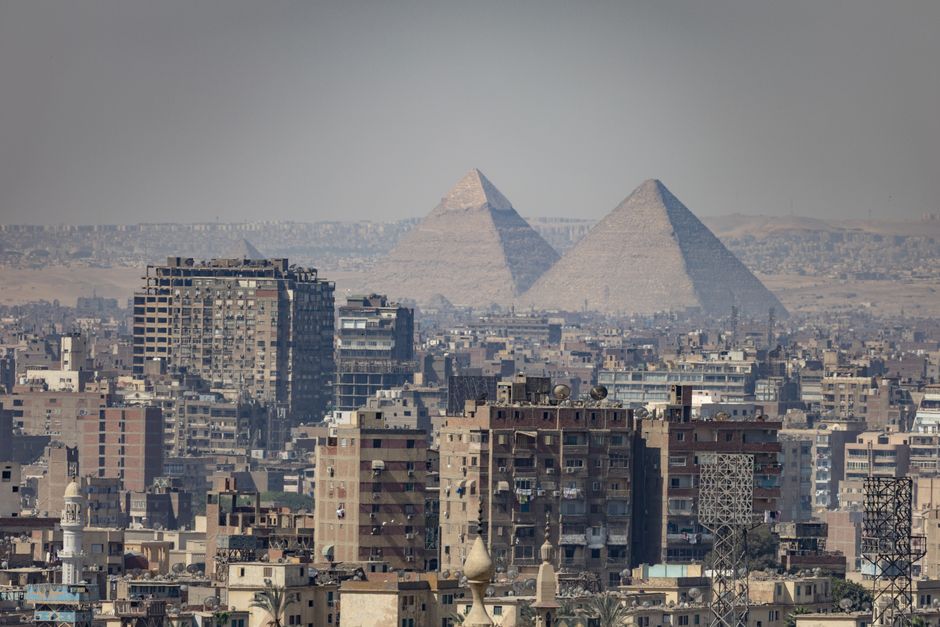
Reported incidents in central Cairo districts jumped 23 percent year-over-year, with Garden City and Downtown recording 847 cases combined through June. Property-related crimes dominate the data: theft and burglary account for 64 percent of all reported offences, while vehicle theft in the congested streets around Tahrir Square climbed to 156 cases—up from 127 in the same period last year. The Giza Governorate, home to the Pyramids Complex and thousands of daily visitors, reported 1,204 incidents, with assault cases rising from 89 to 134.
Response times tell another part of the story. Cairo's emergency services—coordinated through the 122 police hotline—achieved an average response time of 18 minutes in June, significantly higher than the stated target of 8 minutes. In peripheral areas like 6th of October City and New Cairo, the lag stretches to 34 minutes during peak hours. The Cairo Fire Department handled 2,847 emergency calls in the first half of 2026, a 31 percent increase from the same period last year, straining resources across its 28 stations.
Traffic incidents, often unreported in crime statistics, remain a hidden crisis. The General Authority for Roads, Bridges and Land Transport documented 3,612 accidents on major arteries—including the Ring Road and Corniche—resulting in 247 fatalities and 892 injuries. Narcotics-related arrests surged 41 percent, with 1,289 cases processed through the Public Prosecution office between January and June.
The data reveals geographic disparities: affluent districts like Heliopolis and Maadi report lower per-capita incidents but higher insurance claims, while informal settlements surrounding the city report significantly lower official figures—suggesting under-reporting rather than lower crime. Youth involvement in incidents aged 18-25 accounts for 38 percent of arrests, a persistent concern for municipal planners.
What remains unquantified is citizen confidence. Surveys commissioned by independent research bodies suggest 54 percent of Cairenes perceive crime as worsening, yet official statistics—compiled from reported incidents only—may undercount actual occurrences by an estimated 40 percent. As emergency services strain under increased demand and summer heat compounds urban tensions, the gap between data and perception continues to widen.
This article was compiled by AI and screened before publishing. See our editorial standards.
How does this story make you feel?
Spread the word
About this article
Published by The Daily Cairo
Daily brief
Free, in your inbox before 7am. Weekdays.
More in News