Gut Health 101: Fermented Foods You Can Find Locally
A primer for Cairo residents keen on improving digestion, with a focus on the region’s accessible fermented food traditions.
A primer for Cairo residents keen on improving digestion, with a focus on the region’s accessible fermented food traditions.
Koshary stands and falafel stalls line Tahrir Square, but an increasing number of Cairenes are turning their attention to another culinary tradition: fermented foods. From jars of homemade torshi on Sharia Mokattam to fresh leben in the coolers of Zamalek groceries, gut health is having a moment across the capital.
Digestive wellness has become a mainstream concern in Cairo, fuelled by rising research linking gut bacteria to everything from mood shifts to immune balance. Over the past year, the number of probiotic-rich products available in local supermarkets has more than doubled, according to retail analytics firm Nielsen Middle East. Why now? Urban lifestyles, changing diets, and stressors—from long commutes along the Ring Road to late-night email pings—have pushed many city dwellers to search for dietary stability and new-old remedies for their digestive woes.
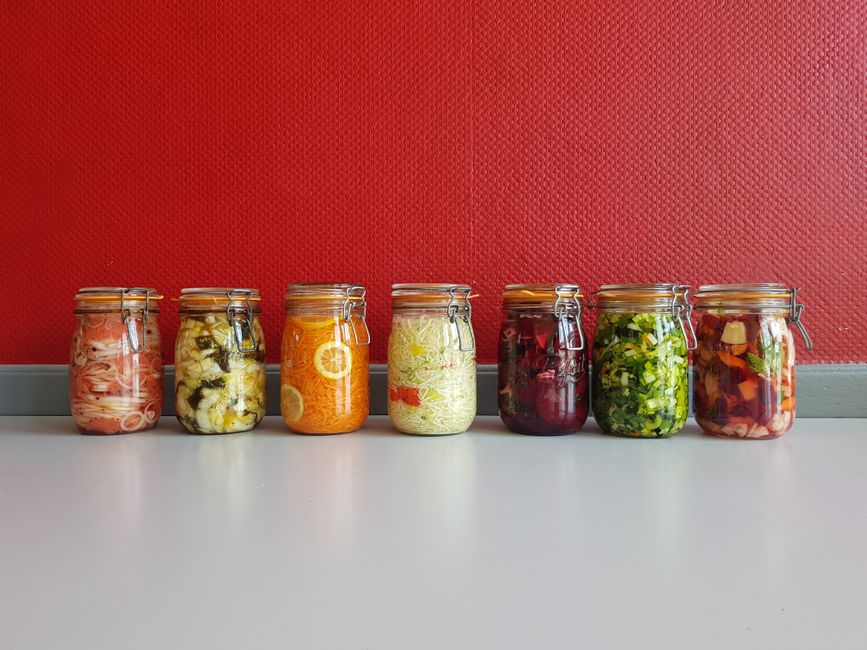
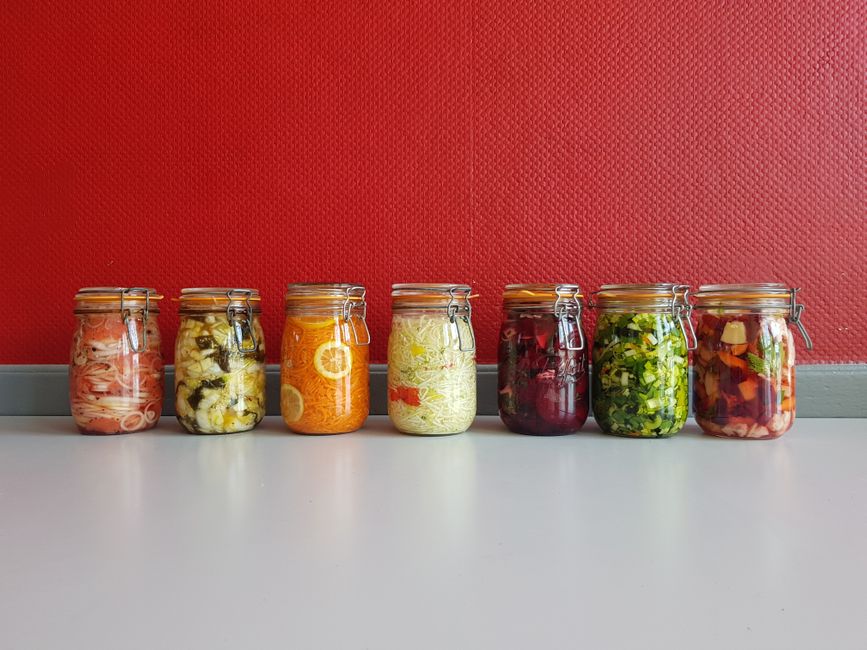
Fermentation is far from new in Egyptian cuisine. In Misr El-Gedida, Abou El Sid Restaurant serves up classic torshi—mixed pickled turnips, carrots, and cauliflower brined with garlic and pepper. At Cleopatra Hospital’s nutrition department, torshi and leben frequently feature in dietary consultations for patients seeking to restore digestive balance after antibiotics. Meanwhile, the Thursday market on Al-Muizz Street in Islamic Cairo boasts dozens of stands selling kisrah, a tangy fermented sorghum bread popular with Nubian families, and shanklish, the herb-dusted fermented cheese specialty that makes its way from Upper Egypt dairies.
Cairenes can also spot locally made yogurt (zabadi) and tempered leben at chains like Gourmet Egypt on Road 9 in Maadi. "The demand for artisanal fermented products increased noticeably after COVID-19," said one shop manager, citing spikes in weekly sales of zabadi jars and vinegar-based pickles.
Nutritionists at the National Research Centre cite data from the World Gastroenterology Organisation: approximately 21% of Egyptians report symptoms of irritable bowel syndrome or other digestive discomfort, numbers that have risen in urban areas like Cairo since 2021. Regular consumption of fermented foods—rich in beneficial live bacteria—has been shown to improve gut flora diversity and digestive resilience. A 500-gram tub of zabadi in Zamalek supermarkets sells for LE 28-34, while a generous portion of fresh torshi at local restaurants averages LE 25. The proliferation of social media-based workshops, like Nourish Egypt’s "Ferment Your Food" sessions hosted in Dokki every second Saturday, points to a growing hunger for knowledge about these centuries-old foods.
Gut-friendly options aren’t just the domain of expensive health shops. Street vendors in Imbaba peddle pickled eggplants (makdous), whose probiotic brine is made with garlic, olive oil, and vinegar—a staple at iftar and wedding buffets alike. According to a market survey conducted by Cairo University’s Faculty of Agriculture, over 60% of Egyptian households incorporate some form of pickled or fermented food at least twice a week.
For those looking to experiment, experts recommend starting with a tablespoon of leben or a few pieces of torshi alongside the midday meal. Supermarkets in Maadi, Zamalek, and Nasr City stock an expanding range of ferments, while local producers offer home delivery via Instagram and WhatsApp groups (expect to pay LE 20-40 for a half-litre glass jar). For hands-on learners, Nourish Egypt’s next fermentation basics workshop runs on July 13 in Dokki—registration fills quickly, and session fees start at LE 150.
Always consult a local medical professional with specific health concerns. For most healthy adults, incorporating fermented Egyptian staples—whether in a Meadi kitchen or from a neighbourhood souq—can be a simple, flavourful way to support gut health through time-tested tradition.
How does this story make you feel?
Spread the word
About this article
Published by The Daily Cairo
Daily brief
Free, in your inbox before 7am. Weekdays.
More in Wellness