wellness
Cairo's Loneliness Crisis: Isolation Worsens Health Amid Crowded Streets
Amid packed streets and busy cafés, many Cairenes face an invisible health threat: chronic loneliness, which local clinicians say fuels stress and drags down wellbeing.
How we reported this
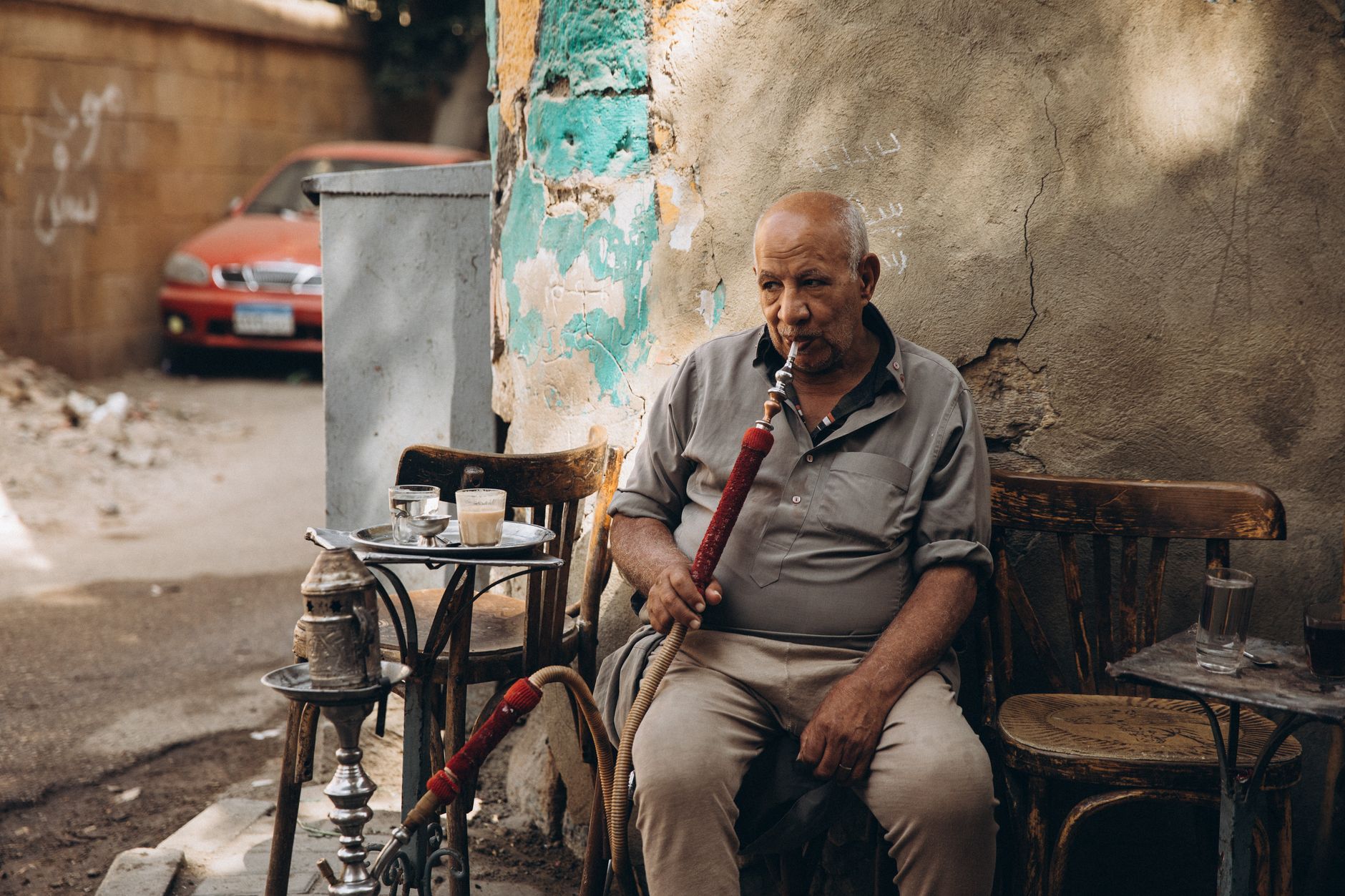
Despite the constant hum of Cairo’s traffic and the swirl of crowds along Talaat Harb Street, a creeping epidemic is quietly undermining the city’s collective health. Psychologists at Cleopatra Hospital in Heliopolis say they now see record numbers of patients naming “isolation” and “disconnection” among the main drivers of stress-related illnesses-a trend echoing concerns raised in major world capitals from London to Seoul.
Why Loneliness Demands Attention Now
Even as social media seems to bind people together, an April 2026 report by the Egyptian Society for Mental Health found that one in four Cairo adults describe themselves as “persistently lonely,” a spike of nine percentage points since 2022. Prolonged loneliness is strongly linked to higher risks for depression, cardiovascular disease, and sleep disorders-conditions that already put pressure on the city’s healthcare system. After the stress of pandemic years, compounded by economic uncertainties and shifting work patterns, local mental health experts warn that social isolation now rivals lack of exercise or poor diet as a risk factor for Cairo’s urban population.
In Garden City, yoga instructor Dalia Hassan has noticed her Saturday morning classes at the Nile Corniche promenade filling with newcomers, many citing “the need to feel part of something.” The Alwan wa Awtar community centre in Maadi, meanwhile, is launching a twice-weekly skills swap: residents can trade Arabic calligraphy lessons for cooking classes or simply a chat over mint tea. By drawing neighbours into structured group activities, these programmes hope to offset some of the health damage caused by digital habits and increasingly solitary lifestyles.
Evidence and What’s Working in Cairo
Local GPs estimate that stress-related complaints now account for nearly 30% of non-emergency visits, up from just 18% in 2020. Cleopatra Hospital, which runs a subsidized stress management course (LE 500 for four weeks), says registrations have doubled since last year. Aly Hazem, a clinical psychologist who volunteers at Belady Foundation, points to studies linking strong social ties with a 50% increase in life expectancy-a figure reinforced by World Health Organization research published in December 2025.
Beyond the numbers, anecdotal evidence is visible every Friday morning in Al-Azhar Park, where running clubs and book circles are sprouting up. Nahed Samir, who coordinates a biweekly walking group in Nasr City, says her WhatsApp invitation list grew from 12 to 80 participants in just six months. “People are craving genuine connection,” she says, “far beyond likes or follows.”
Bridging the Gap: Local Steps to Reconnect
The challenge now is to transform awareness into action. Cairo doctors and health NGOs urge residents to seek out regular face-to-face contact, whether through volunteering, joining cultural and sport clubs, or reconnecting with neighbours. Many district youth centres-from El Sayeda Zeinab to Zamalek-offer free access to group arts, dance, and language classes designed to get people moving and mingling. For those struggling to get started, the Egyptian Red Crescent’s mental health hotline (15335) can provide advice and linkage to local support groups.
Ultimately, as Cairo’s population continues to grow and urban stress piles up, experts agree that investing in social wellbeing pays lasting dividends. Prescriptions for stress may sometimes come in the form of medication or meditation, but increasingly, the city’s healthiest medicine seems to be simple: a sense of belonging, built one conversation-and one shared moment-at a time.