wellness
Five Seasonal Recipes Using Local Produce Available Right Now in Cairo's Markets
From Imbaba's vegetable stalls to the organic vendors at Maadi's Friday market, July's harvest is abundant, and your kitchen should know it.
Listen in English · 4 min
How we reported this
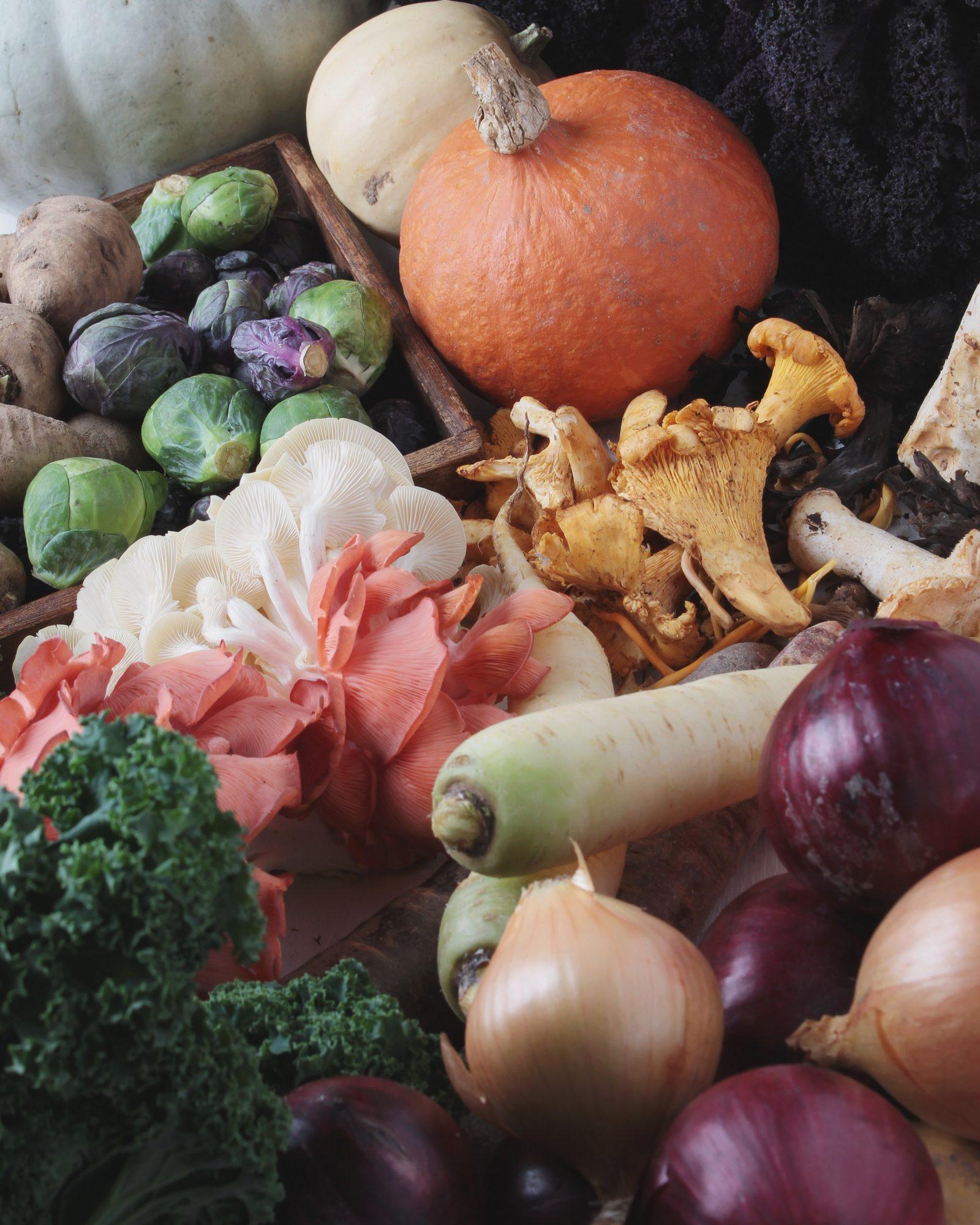
July is the peak of Egypt's summer produce cycle, and Cairo's markets are currently overflowing with ingredients that nutritionists consider among the most protective foods on the planet. Figs, molokhia, watermelon, okra and fresh dates are all at their cheapest and most nutritious right now, yet most Cairo households default to the same three or four dishes all season long.
This matters because Egypt is facing a quiet but serious dietary shift. The World Health Organisation's 2025 Eastern Mediterranean Region report recorded that nearly 38 percent of Egyptian adults are now classified as overweight or obese, up from 32 percent in 2018. Processed snack imports have risen sharply since 2022, partly driven by price volatility in fresh produce during the pound's depreciation period. The good news: July is one of the months when eating locally, seasonally and cheaply all point in exactly the same direction.
At the Ataba wholesale market in Downtown Cairo, a kilo of fresh okra is selling this week for around 12 Egyptian pounds. Molokhia, the dark, glutinous leaf that has been a Cairo staple since the Fatimid era, runs about 8 pounds a bunch at most Shubra el-Kheima street stalls. Watermelon, piled in pyramids along the Nile Corniche near the Qasr el-Nil bridge, costs as little as 5 pounds per kilo. The economics of eating well, in other words, are genuinely on the side of the home cook right now.
Five Dishes Worth Making This Month
1. Cold molokhia salad with lemon and garlic. Blanch fresh molokhia leaves for 90 seconds, drain, chill, and dress with pressed garlic, lemon juice, olive oil and a pinch of cumin. Unlike the traditional rabbit-stock soup version, this preparation preserves the leaf's full folate and vitamin K content. Serve over brown baladi bread from any Dokki bakery.
2. Baked okra with tomato and coriander. Trim okra, toss with halved Roma tomatoes, fresh coriander and a tablespoon of olive oil, then roast at 200°C for 25 minutes. Okra is one of the highest-fibre vegetables available in Egypt in summer, roughly 3.2 grams per 100-gram serving, and roasting eliminates the sliminess that puts people off the raw preparation.
3. Watermelon and white cheese salad. Cube chilled watermelon with blocks of Domyati white cheese, torn fresh mint and a drizzle of pomegranate molasses. This combination, protein, natural sugar, hydration, is genuinely useful in 38-degree Cairo afternoons and takes less than ten minutes to assemble.
4. Fresh fig and tahini breakfast bowl. Halve six ripe figs, drizzle with a tablespoon of local Siwa oasis tahini, scatter with black sesame seeds and a drop of raw honey. Figs are available through September, but peak sweetness and lowest prices typically align in the first two weeks of July. Siwa tahini is sold at the El-Abd grocery chain branches in Zamalek and Mohandiseen.
5. Grilled eggplant mutabbal with pomegranate. Char two medium eggplants directly over a gas flame, peel, mash with tahini, lemon and garlic, then top with fresh pomegranate seeds. Unlike the standard baba ganoush served in most Cairo restaurants, the pomegranate addition adds anthocyanins, antioxidant compounds linked to cardiovascular protection, without adding significant calories.
Where to Source and What to Know
The Sekem organic farm cooperative, which operates a retail outlet in Heliopolis on Merghany Street, stocks certified-organic versions of molokhia, okra and eggplant at prices roughly 20 to 30 percent above conventional market rates, a premium that many nutritionists argue is worth the absence of organophosphate pesticide residue during peak growing season. For conventional produce at the best prices, the Ghamra wholesale cluster near Ramses station opens to the public from 5am and moves through most of its stock by 9am.
Anyone managing a specific chronic condition, diabetes, hypertension, kidney disease, should run significant dietary changes past a physician or registered dietitian before adopting them wholesale. Cleopatra Hospital's outpatient nutrition clinic in Heliopolis offers consultations, as does the Cairo University Kasr Al-Ainy teaching hospital's nutrition department on Manial Island. The produce, at least, will not wait: by mid-August, the okra and molokhia windows close, and prices on most of these items climb back toward winter levels. Cook now.