wellness
Social Connection as Medicine: Cairo's Loneliness Epidemic Is a Public Health Crisis Hidden in Plain Sight
As urban isolation quietly erodes mental health across the city, researchers and community programs are making the case that friendship may be the most underutilised prescription in Egypt.
How we reported this
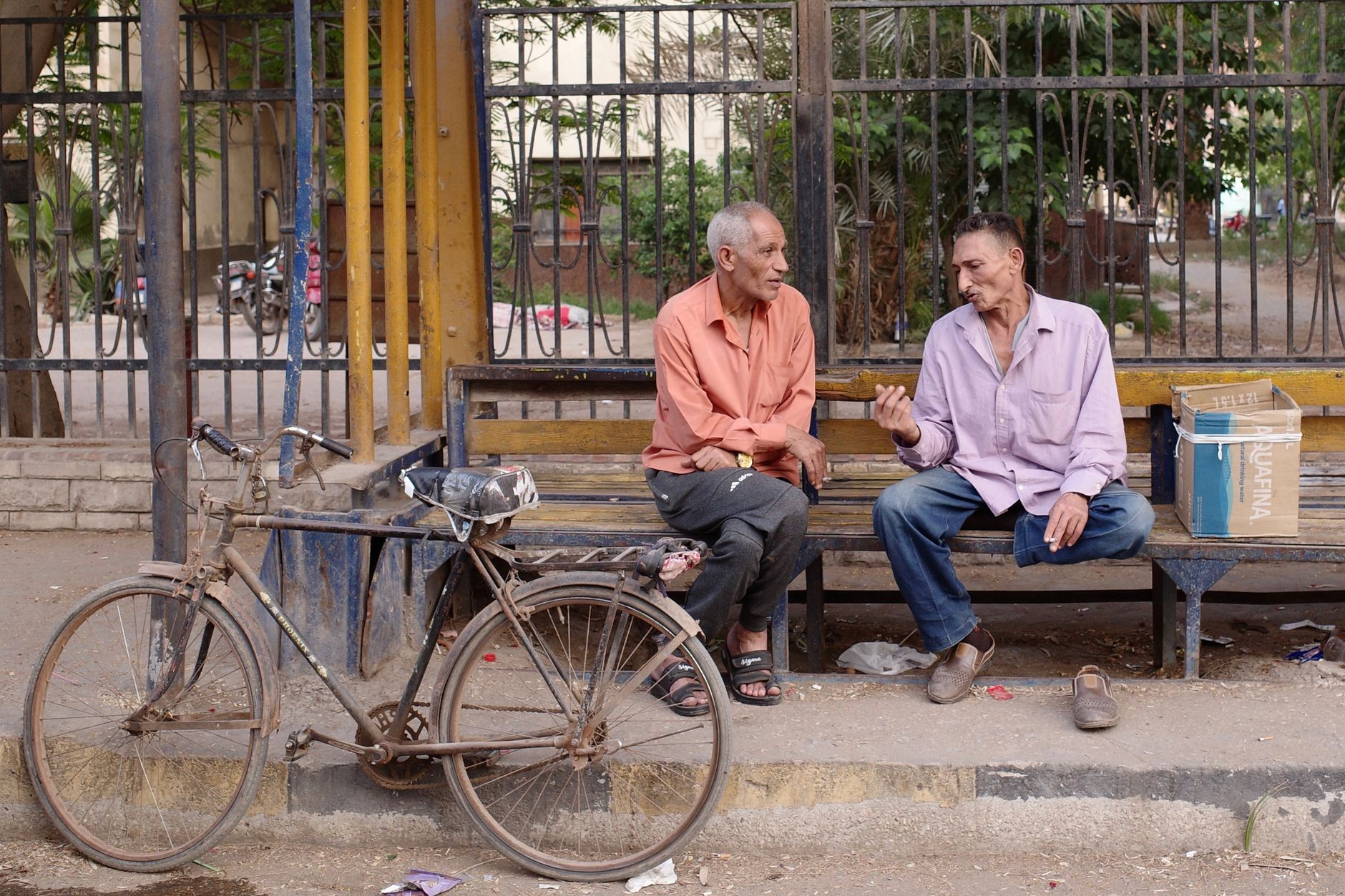
Loneliness is killing people. That is not a metaphor. A growing body of clinical research now places chronic social isolation on par with smoking 15 cigarettes a day in terms of mortality risk, a comparison that carries particular weight given the renewed global concern about tobacco's resurgence among young people. In Cairo, a city of more than 21 million, the paradox is acute: residents are physically surrounded by human beings every waking hour, yet mental health specialists report a steep rise in patients describing profound disconnection.
The timing matters. Egypt's urbanisation rate crossed 43 percent in 2024, according to World Bank data, and the country's population is among the youngest in the region, with a median age of roughly 24 years. Young Cairenes moving from Delta governorates to neighbourhoods like Nasr City or Heliopolis for university or work often arrive without the family networks that traditionally served as an emotional buffer. Add the compounding pressure of a pound that shed significant value since 2022, soaring rents along the Ring Road corridor, and a job market that rewards 60-hour weeks, and the conditions for mass isolation become almost architectural.
Where Cairo Is Already Fighting Back
The good news is that the city has infrastructure specifically suited to combating this problem, it just isn't always marketed that way. Al-Azhar Park in Darrasah, one of the largest green spaces in the Middle East at 74 acres, draws tens of thousands of visitors on any given Friday. Mental health advocates have started describing it less as a recreational amenity and more as a clinical resource. Getting there costs between 15 and 30 Egyptian pounds depending on age, which remains accessible for most households. The key, specialists say, is structured regularity: a weekly walk with a neighbour or colleague, not a solitary scroll through the park with earbuds in.
The Nile Corniche cycling path, stretching through Maadi and into Garden City, has seen organised group rides expand significantly since 2024. Cairo Cyclists, a volunteer-run collective that has operated out of Maadi since 2018, now runs weekend morning rides with 40 to 80 participants. The group model matters clinically: research published in The Lancet Psychiatry in 2023 found that group-based physical activity reduced depression symptoms by 28 percent more than solo exercise over a 12-week period. The ride costs nothing beyond a roadworthy bicycle.
Community mental health organisations are also expanding their reach. Shezlong, the Egyptian online therapy platform founded in Cairo, reported a 60 percent increase in users citing loneliness as a primary complaint between 2023 and 2025. The platform connects patients with licensed therapists for sessions starting at roughly 350 pounds, still a stretch for many, but far below the 900-to-1,400-pound rates charged at private clinics near Cleopatra Hospital in Heliopolis.
The Mezze Table as Therapy
Egyptian food culture offers a structural advantage that nutritionists and psychologists are increasingly citing together. The mezze tradition, built around shared dishes, communal tables, and meals that last well over an hour, is not incidental. Studies from the Harvard T.H. Chan School of Public Health have linked communal eating habits to measurably lower rates of depression and anxiety. The foul and ta'meya breakfast shared with colleagues at a Bab al-Louq street kiosk is doing something real, biochemically and socially, that a sad desk lunch simply cannot replicate.
The practical prescription emerging from Cairo's mental health community is deliberately low-tech. Specialists at the Egyptian Association for Mental Health recommend committing to at least three face-to-face social interactions per week that are not transactional, not errands, not work meetings, as a baseline protective measure. That could be a Thursday evening at a sha'bi coffee house in Shubra, a shared iftar-style dinner even outside Ramadan, or joining one of the neighbourhood-based fitness groups now operating in districts from Dokki to New Cairo's Fifth Settlement.
The science is settled enough. Loneliness is not a personality flaw or a private sadness. It is a measurable health condition with measurable remedies. Cairo already has the places and the culture. The missing piece is the deliberate decision to show up, and to keep showing up. Anyone concerned about their own mental health or social wellbeing should speak with a qualified professional; Cleopatra Hospital and the Egyptian Association for Mental Health both maintain referral lines for outpatient support.