wellness
Cairo's Best Farmers Markets and What to Buy Right Now
As summer heat peaks across the city, a new wave of open-air markets is making fresh, seasonal produce cheaper and more accessible than it has been in years.
How we reported this
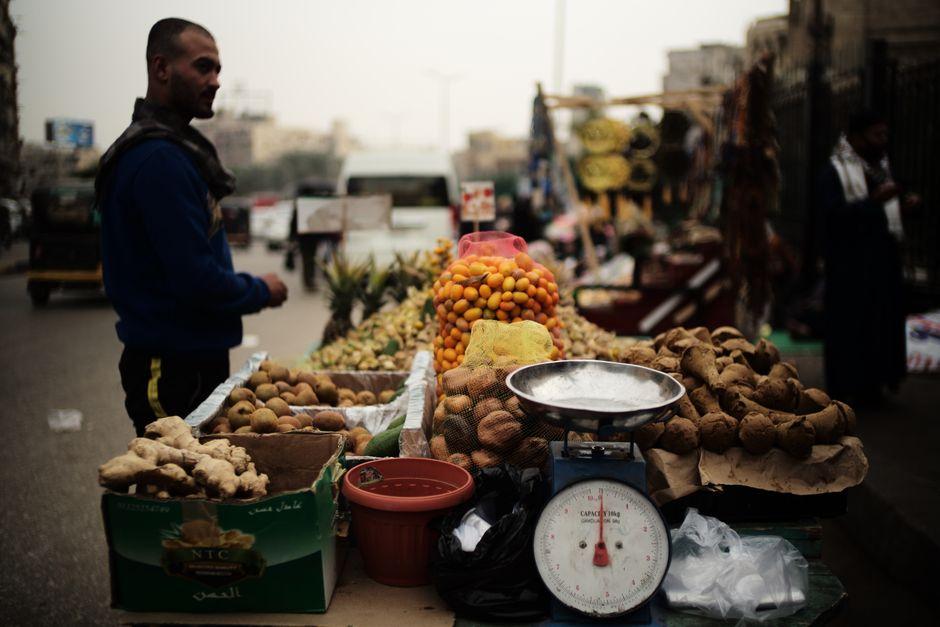
Tomatoes in Maadi are selling for as little as 8 Egyptian pounds per kilogram this week. That single fact tells you everything about where Cairo's seasonal produce calendar currently sits, deep in summer, flush with fruit, and more rewarding for shoppers willing to leave the supermarket behind.
Egypt's summer harvest window, running roughly from late June through September, delivers some of the most nutritious and affordable eating of the year. Watermelons, figs, fresh fenugreek, molokhia, and vine-ripened tomatoes are at peak abundance right now. Against a backdrop of persistent food price volatility that has squeezed household budgets since 2023, knowing where and when to buy makes a genuine difference to both health and spending. The Egyptian Ministry of Supply's market surveillance data from June 2026 shows that open-air produce markets continue to undercut supermarket chains by 25 to 40 percent on seasonal vegetables.
Where to Shop: The Markets Worth Your Friday Morning
The Maadi Farmers Market, held every Friday morning along Road 9 in Maadi, remains the city's best-known gathering point for small-scale growers from the Delta and Fayoum. Vendors here sell directly, which means the molokhia was likely cut within 48 hours of hitting the stall. Arrive before 9 a.m., by 11 the best leafy greens are gone. Prices for fresh herbs hover around 5 to 10 pounds per bunch, and vendors dealing in organic produce, certified under Egypt's USAID-supported Horticulture Export Improvement Association programme, have grown noticeably in number over the past two seasons.
On the other side of the river, the Saturday market near Gezira Sporting Club on Gezira Island draws a slightly different crowd but offers comparable quality. Fayoum dates, dried chamomile from Upper Egypt, and cold-pressed sesame oil from local cooperatives are reliable finds. Bring cash and a tote bag, neither is optional. For families in Heliopolis or Nasr City, the Thursday open market on Mostafa El-Nahas Street runs year-round and stocks the widest variety of Nile Delta legumes in the eastern districts, including fresh broad beans when in season and dried lentils at consistently lower prices than branded supermarket lines.
Al-Azhar Park, while not a market itself, hosts periodic wellness and food events through its management body the Aga Khan Trust for Culture, several of which in 2025 and early 2026 have featured local producers and nutritional demonstrations. Watch their programme listings for late July events.
What to Put in the Basket This Month
July's nutritional sweet spot is the fig. Egyptian Dokkar figs, the purple-skinned variety common to orchards in Beni Suef and Minya governorates, are hitting Cairo markets now and will peak through August. They're dense in fibre, potassium, and natural sugars, making them one of the most efficient snacks available at the price point: expect to pay 20 to 35 pounds per kilogram depending on size and ripeness. Molokhia, the leafy green cooked into Egypt's most iconic soup, is at its most nutrient-dense right now. It delivers high levels of iron and folate, nutrients particularly relevant during summer months when heat exposure increases demand on the body's recovery systems.
Watermelon, selling at 5 to 12 pounds per kilogram across most city markets, pulls double duty as hydration and a source of lycopene. Egyptian-grown varieties from the Nile Valley are harvested without the weeks-long cold storage that strips imported fruit of antioxidant content. Alongside it, look for fresh cucumbers and local white cheese, the backbone of a traditional Egyptian mezze that nutritionists consistently rate among the region's healthiest everyday eating patterns.
Avoid buying pre-cut fruit displayed in direct sun, particularly at informal roadside stands without refrigeration. The Egyptian Food Safety Authority issued updated summer guidance in May 2026 advising consumers to prioritise whole, uncut produce during the July-August heat peak.
The practical rule for Cairo shopping right now: visit markets before 10 a.m., bring your own bags, pay in cash, and ask vendors which governorate their produce comes from, growers who name a specific origin are almost always selling the real seasonal article. For anyone managing a specific health condition, a dietitian at a facility such as Cleopatra Hospital's outpatient nutrition clinic on Cleopatra Street in Heliopolis can translate seasonal availability into a personalised eating plan.