Protein Sources Beyond Meat: A Local Guide
From Dokki's dusty foul carts to the legume-packed mezze tables of Zamalek, Cairo's plant-forward protein culture has always been hiding in plain sight.
From Dokki's dusty foul carts to the legume-packed mezze tables of Zamalek, Cairo's plant-forward protein culture has always been hiding in plain sight.
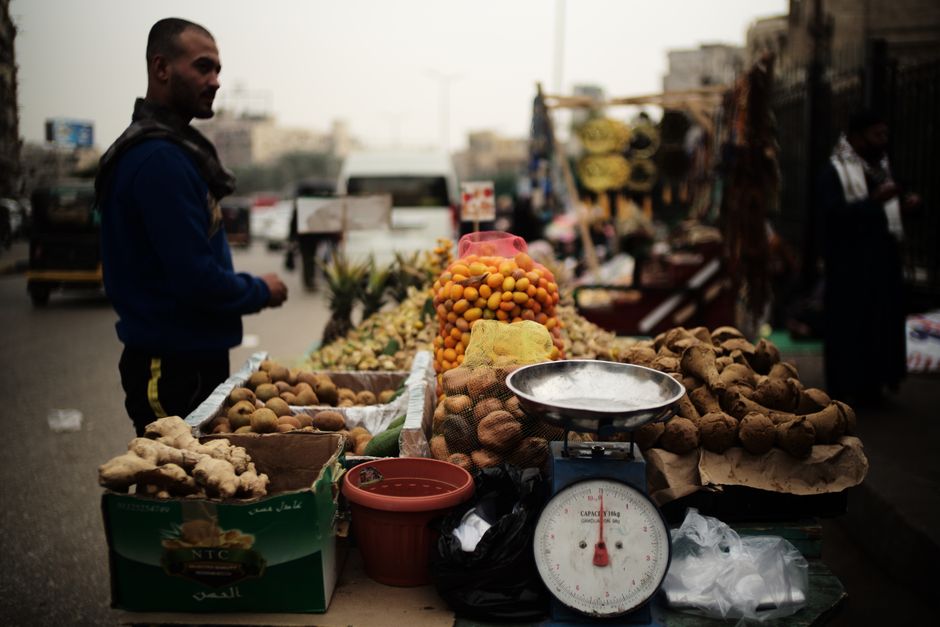
Egypt already eats more protein per head than most of its neighbours realise — and almost none of it requires a butcher. A kilogram of dried ful medames, the fava bean staple that feeds tens of millions of Egyptians each morning, retails for roughly 28 Egyptian pounds at Carrefour City Stars in Heliopolis as of this week. A kilogram of minced beef at the same store runs closer to 320 pounds. The gap has never been wider, and nutritionists working out of clinics in Garden City and Mohandeseen say patient interest in non-meat protein has surged noticeably since the start of 2026.
The timing matters. Global food prices remain volatile after two consecutive years of grain disruption, and Egypt's domestic inflation rate — which hit 24.1 percent in mid-2025 before easing slightly — has forced millions of households to rethink the weekly shop. Simultaneously, a younger, gym-going Cairo demographic, many of them regulars at the expanding number of CrossFit boxes and yoga studios scattered across New Cairo's Fifth Settlement, has started asking more sophisticated questions about amino acid profiles, bioavailability and plant-based recovery nutrition. These two pressures, economic and aspirational, are pushing the same conversation from opposite directions.
The good news is that the answer was always on the table. Egyptian food culture is, structurally, one of the most protein-efficient in the Mediterranean basin. Ful, koshari, hummus, ta'meya, lentil soup, and molokhia over chickpeas are not trendy innovations — they are the architecture of the national diet, and they work. The Egyptian Nutrition Institute, headquartered on Al-Kasr Al-Aini Street in central Cairo, has for years published guidance noting that a standard serving of cooked lentils delivers approximately 18 grams of protein per cup alongside meaningful iron and folate. Paired with a grain — rice, bread, even the vermicelli-heavy koshari base sold for 12 pounds a bowl at Abou Tarek's original branch on Maarouf Street downtown — the amino acid profile becomes essentially complete.
For Cairenes who want to actively build a higher-protein, lower-meat weekly plan, the infrastructure already exists. The organic and specialty market held every Friday morning at Al-Azhar Park's lower terraces has in recent months expanded its vendor selection to include cold-pressed tahini producers from Beni Suef, dried legume specialists, and at least three stalls selling plain Greek-style labneh in 500-gram tubs — a product that delivers roughly 20 grams of protein per serving and costs around 85 pounds. Tahini itself, sesame paste ground from hulled seeds, contains about 5 grams of protein per two-tablespoon serving and is one of the cheapest complete-protein food products on the Egyptian market.
Dairy deserves more attention than it typically gets in these conversations. Egypt produces significant volumes of buffalo milk, and the resulting cheese — particularly aged ras cheese from Delta producers — runs around 14 grams of protein per 100 grams. Supermarkets including Seoudi in Maadi and Gourmet Egypt in Zamalek stock it reliably. Eggs, perennially affordable at around 4 to 5 pounds each, remain arguably the most bioavailable protein source available to the average Cairo household and require zero culinary commitment. Edamame and tofu, once exotic, now appear at Cold Stone and specialty sections of Hyper One branches; prices have dropped as demand from Heliopolis and New Cairo residents has grown.
Building a week around non-meat protein in Cairo does not require a specialty diet budget. Breakfast built on ful or scrambled eggs, a midday koshari or lentil soup, an afternoon labneh with flatbread, and a dinner anchored by chickpea stew or a grilled halloumi salad covers most adult protein targets without red meat. The World Health Organisation recommends a minimum of 0.8 grams of protein per kilogram of body weight daily; for a 75-kilogram adult, that is 60 grams — comfortably achievable through the foods described above.
Anyone with specific health conditions, fitness goals, or concerns about nutrient deficiencies should book a consultation with a registered dietitian. Cleopatra Hospital on Cleopatra Street in Heliopolis runs a clinical nutrition outpatient unit, as does the Ain Shams University Hospitals complex. The question of how much protein you personally need is not one a food market or a newspaper article can answer — but knowing where the protein already is? That part, Cairo has covered for centuries.
How does this story make you feel?
Spread the word
About this article
Published by The Daily Cairo
Daily brief
Free, in your inbox before 7am. Weekdays.
More in Wellness