What the Research Really Shows About Mindfulness and Stress: A Cairo Perspective
Neuroscientists have mapped how meditation rewires the brain—and Cairo's wellness community is taking note.
Neuroscientists have mapped how meditation rewires the brain—and Cairo's wellness community is taking note.
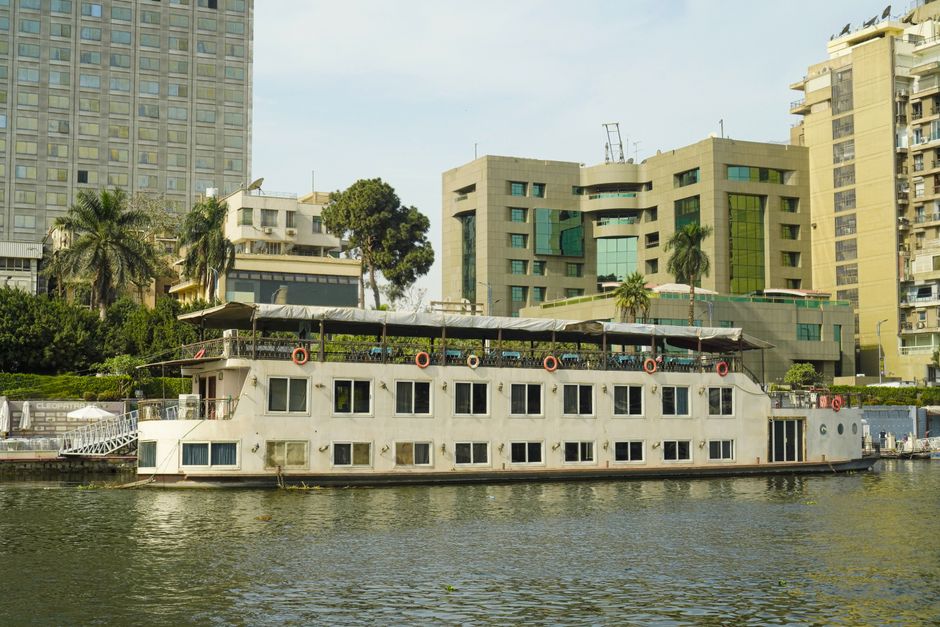
Walk along the Nile Corniche on any dawn and you'll spot them: runners, cyclists, and increasingly, people sitting quietly in meditative posture. What was once dismissed as purely spiritual practice now has rigorous neuroscientific backing. Over the past two decades, functional MRI studies have revealed that mindfulness meditation physically alters brain structure, reducing activity in the default mode network—the brain region responsible for anxiety and self-referential thinking.
Cairo's growing wellness sector is catching up to this evidence. Fitness studios around Zamalek and Garden City now integrate mindfulness protocols into their offerings, recognizing that stress management isn't luxury but necessity. The Egyptian Health Ministry's 2025 mental health survey indicated that 43% of Cairo residents experience moderate to high stress levels, with workplace pressure and urban living cited as primary triggers.
The research is compelling. A landmark study published in JAMA Psychiatry found that mindfulness-based stress reduction (MBSR) produced brain changes equivalent to certain anti-anxiety medications—without side effects. In Cairo's context, where medication access can be inconsistent and culturally variable, this matters. Cleopatra Hospital's Psychiatric Department has begun offering MBSR workshops, alongside traditional approaches, recognizing this evidence-based alternative.
But the science extends beyond brain imaging. Cortisol studies show that consistent meditation lowers stress hormone levels within eight weeks. Cardiovascular research demonstrates that practitioners experience reduced blood pressure and heart rate variability. For Cairenes cycling the traffic-heavy routes toward Al-Azhar Park or jogging the Corniche, these physiological benefits translate into measurable improvements: better sleep, improved focus, enhanced emotional regulation.
What makes this particularly relevant locally is the intersection with Egyptian cultural practices. Mindfulness shares structural similarities with dhikr (remembrance) traditions—rhythmic focus, breath awareness, present-moment attention—suggesting that modern neuroscience validates centuries-old wisdom embedded in local spiritual practice.
The evidence base is now substantial enough that the American Psychological Association and WHO recognize mindfulness-based interventions as legitimate mental health tools. Cairo's emerging wellness infrastructure—from meditation apps in Arabic to studio-based classes costing 150-300 EGP per session—reflects this global shift toward scientifically-grounded stress management.
The takeaway: mindfulness isn't mystical. It's neurobiology. For anyone navigating Cairo's intensity, the research suggests that even 10 minutes daily of focused attention can meaningfully reshape how your brain processes stress.
This article was compiled by AI and screened before publishing. See our editorial standards.
How does this story make you feel?
Spread the word
About this article
Published by The Daily Cairo
Daily brief
Free, in your inbox before 7am. Weekdays.
More in Wellness