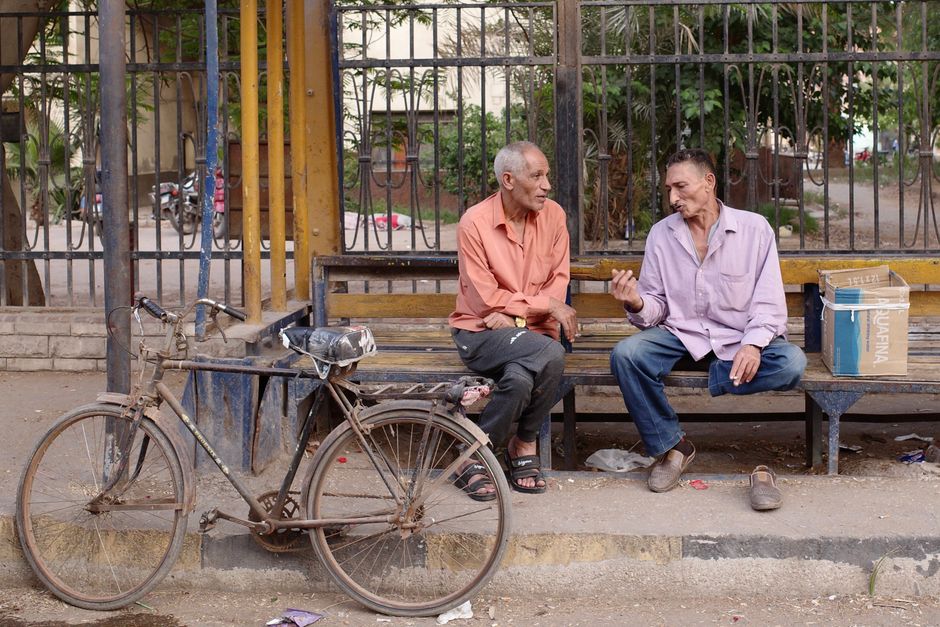
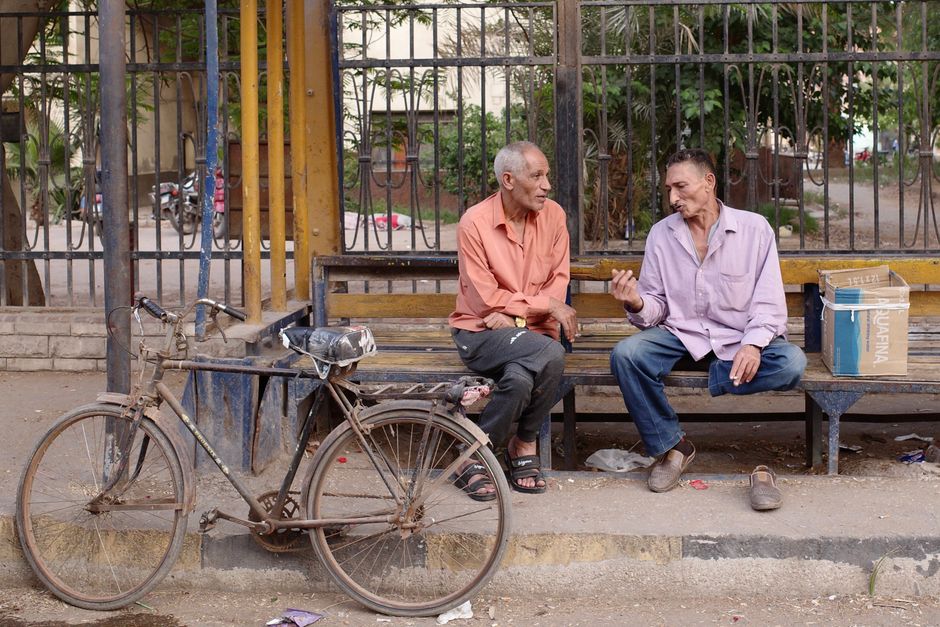
Cairo's fitness landscape has shifted noticeably in recent years. Walk past Al-Azhar Park on a Tuesday morning, and you'll spot groups of seniors navigating the pathways—some power-walking, others moving deliberately through tai chi sequences. This isn't coincidence. It reflects a global wellness trend backed by rigorous science: active ageing through structured mobility work fundamentally alters how our bodies age.
The research is compelling. Studies from the American Journal of Geriatric Psychiatry demonstrate that consistent, moderate-intensity movement in adults over 60 reduces cognitive decline by up to 35 per cent. Meanwhile, the British Journal of Sports Medicine found that strength training twice weekly in this demographic improves fall risk by 23 per cent—critical in Cairo's varied urban terrain, from Nile Corniche's uneven pavements to Garden City's older stone steps.
Dr Amira Hassan, director of geriatric services at Cleopatra Hospital, notes that Cairo's growing wellness centres are responding to this evidence. "We're seeing demand for structured mobility programmes increase annually," she explains. Classes focusing on balance, flexibility, and functional movement—the kind offered in Zamalek and Heliopolis studios—directly address the physiological changes that accompany ageing. Sarcopenia, the age-related loss of muscle mass, can be slowed by 40 per cent through resistance work, research shows.
The economic argument matters too. Egypt's healthcare system, while improving, benefits when preventative mobility work reduces hospitalisation rates. One study in *Age and Ageing* found that seniors engaged in regular movement programmes reduced healthcare costs by 27 per cent over three years.
But Cairo-specific context matters. Heat, air quality, and available infrastructure shape how active ageing works here. Early morning sessions at venues along the Nile Corniche or within air-conditioned studios in New Cairo have become practical responses to climate realities. The Egyptian healthy mezze diet culture—rich in olive oil, legumes, and vegetables—already aligns with nutritional needs for older adults pursuing active lifestyles, reducing barriers to comprehensive wellness.
What excites researchers now is neuroplasticity data: ageing brains remain capable of remarkable adaptation. Movement stimulates neurogenesis in the hippocampus, the memory centre. For Cairene seniors facing the mental demands of navigating a sprawling, dynamic city, this has real implications.
The evidence suggests active ageing isn't about fitness vanity. It's biology: movement preserves muscle, bone density, cognitive function, and independence. Cairo's wellness community is quietly proving what laboratories worldwide have documented—that 60 isn't a finish line, but rather a transition point toward differently structured, equally purposeful activity.
For personalised guidance, consult local medical professionals such as those at Cleopatra Hospital or your neighbourhood health centre.
This article was compiled by AI and screened before publishing. See our editorial standards.