How to Start a Walking Group in Your Neighbourhood
Cairo's growing wellness community shows that organising a local walking group requires just a few smart steps—and can transform your street into a healthier, more connected space.
Cairo's growing wellness community shows that organising a local walking group requires just a few smart steps—and can transform your street into a healthier, more connected space.
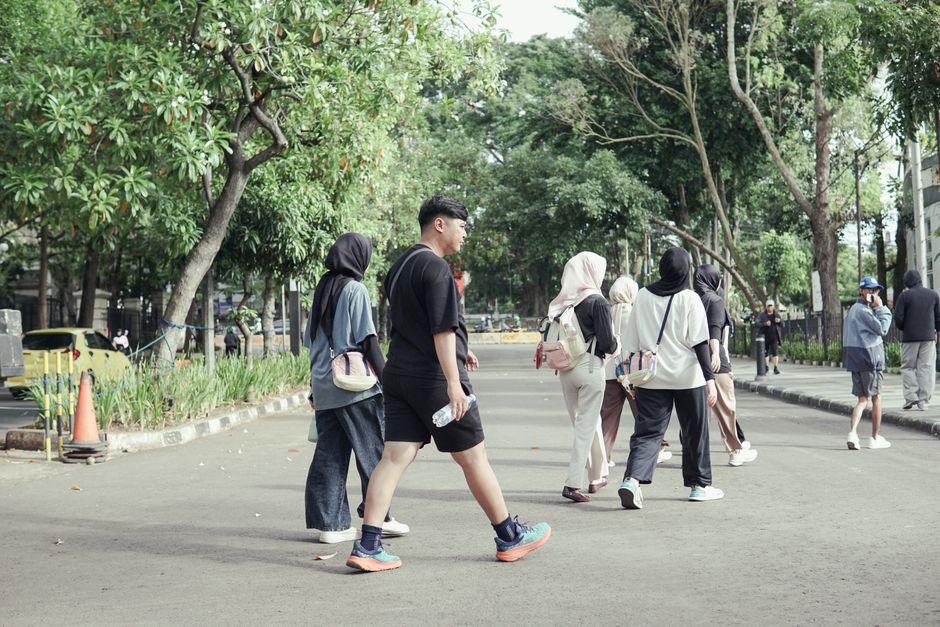
Walking remains one of Egypt's most accessible forms of exercise, yet many Cairenes exercise alone. Over the past three years, community fitness initiatives across the city—from Al-Azhar Park's growing jogging community to informal cycling groups along the Nile Corniche—have shown that structured group activity boosts both participation and adherence. Starting a neighbourhood walking group requires minimal investment but considerable intention.
Begin by mapping your route. Identify a safe, well-lit starting point accessible to most residents. Garden City, Zamalek, and Heliopolis have established pedestrian paths; older neighbourhoods like Abbassia and Rod El-Farag benefit from evening walks when traffic lightens. A 3–5 kilometre loop around your neighbourhood is ideal for beginners; this typically takes 45–60 minutes at a moderate pace. Scout the route yourself first, noting water fountains, street lighting, and potential hazards.
Next, define your group's identity. Will it be family-friendly, seniors-focused, or mixed-age? Will you walk weekday mornings before work, or weekend evenings? Consistency matters: walking groups that meet at fixed times—say, every Tuesday and Thursday at 6 p.m.—retain participants better than irregular schedules. Many Cairo groups now partner with neighbourhood clubs (ahli clubs) or use WhatsApp to coordinate, reaching 15–40 regular walkers within months.
Recruit starting members through neighbourhood networks. Post flyers at local grocers, pharmacies, or community centres. Use WhatsApp groups, Facebook community pages, or word-of-mouth. You need only 3–5 committed early members to establish momentum; experienced walkers often inspire neighbours to join. Organisations like the Egyptian Walking Federation have provided guidance to emerging community groups, though formal registration is optional for informal neighbourhood walks.
Set basic ground rules: a comfortable pace that allows conversation, a designated leader who knows the route, and a contact person for safety. Walking groups typically cost nothing, though some contribute small amounts for water bottles or reflective vests (available for 30–50 pounds at Cairo sporting goods shops).
Finally, create accountability. Share weekly attendance updates, celebrate milestones (like completing your 50th group walk), or invite a local health professional to discuss nutrition or injury prevention during a monthly gathering. This builds community investment beyond the walk itself.
Cairo's wellness scene thrives when residents take ownership of their neighbourhoods. Your walking group won't just improve cardiovascular health and joint mobility—it will reconnect neighbours and reclaim public spaces for collective wellbeing. Start small, stay consistent, and watch your street transform into a walking community.
This article was compiled by AI and screened before publishing. See our editorial standards.
How does this story make you feel?
Spread the word
About this article
Published by The Daily Cairo
Daily brief
Free, in your inbox before 7am. Weekdays.
More in Wellness