From Fast Food to Fresh: How Cairo's Health-Conscious ...
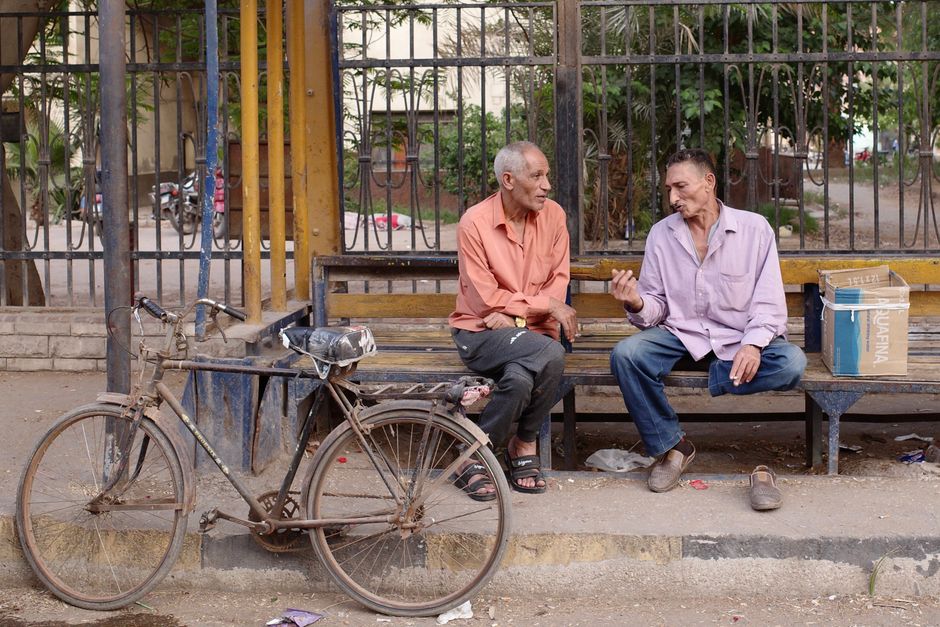
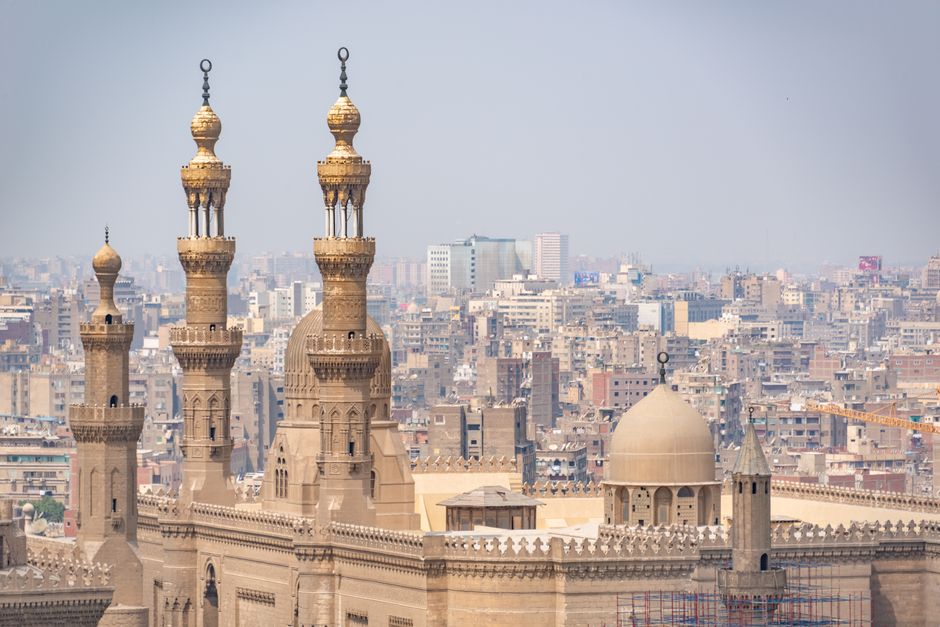
Neighbourhood wellness groups across the city are discovering that transforming eating habits doesn't require abandoning Cairo's vibrant food culture—it requires reimagining it.
Neighbourhood wellness groups across the city are discovering that transforming eating habits doesn't require abandoning Cairo's vibrant food culture—it requires reimagining it.
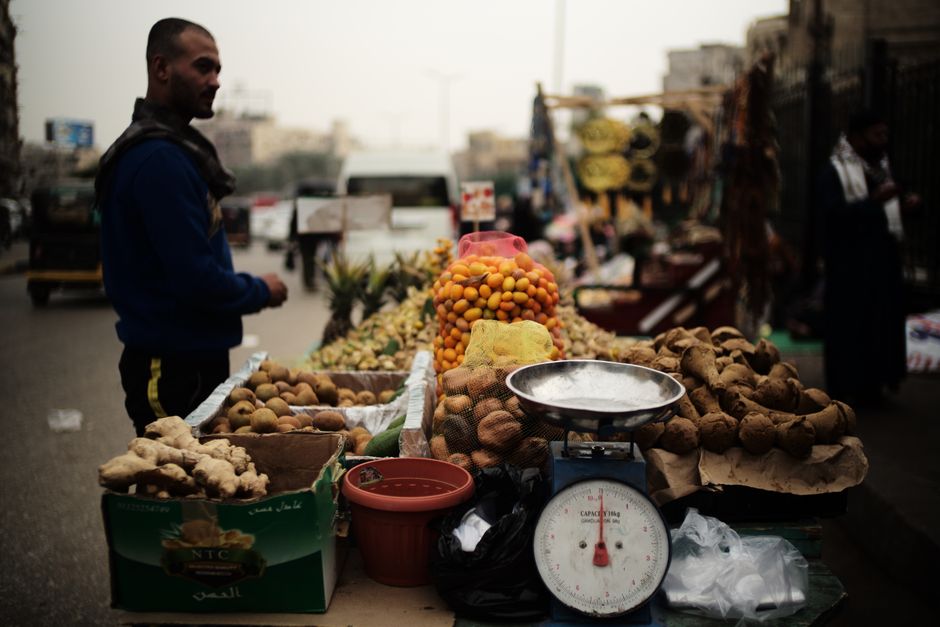
Walk through the stalls of Khan El-Khalili market on a Tuesday morning, and you'll notice something shifting. Alongside the traditional vendors hawking koshari and ful medames, a quieter revolution is underway. Small clusters of Cairenes—nurses, teachers, engineers—are gathering to learn which vendors stock the freshest produce, how to spot quality olive oil, and why the humble chickpea might be their most powerful health ally.
This grassroots momentum reflects a broader pattern emerging across Cairo's neighbourhoods. In Zamalek, a community-led initiative has connected residents with organic farmers from the outskirts, cutting out middlemen and reducing vegetable prices by up to 30 per cent. In Heliopolis, weekly walking groups that start from the Nile Corniche now incorporate informal nutrition workshops, merging movement with mindful eating education. These aren't clinical interventions; they're neighbours helping neighbours rediscover Cairo's traditional mezze diet—the very foods their grandparents thrived on.
The shift represents a reclamation of what nutritionists call the Egyptian Mediterranean model: abundant vegetables, legumes, whole grains, and olive oil, with meat as a flavouring rather than the centrepiece. The irony isn't lost on local wellness advocates: Cairo's younger generations spent decades pursuing imported processed foods, only to discover that the answer lay in their own culinary heritage.
Mohandessin's growing network of wellness-focused cooperatives has begun documenting these personal transformations. Members report not just weight changes—though that matters—but deeper shifts: stable energy levels, better digestion, improved sleep. One recurring theme emerges: when people eat within their culture rather than against it, sustainability follows. A traditional Egyptian breakfast of ful, tahini, and whole wheat bread costs roughly 15-20 Egyptian pounds and keeps people satisfied until midday. The convenience foods that replaced it often cost more and deliver less nutritional value.
Local healthcare professionals at facilities like Cleopatra Hospital have started referring patients to these community groups, recognising that lasting dietary change happens best among peers, not in isolation. The groups meet in parks—Al-Azhar Park hosts weekend gatherings—in mosques, in schools, and increasingly in WhatsApp groups where recipe exchanges and market tips flow daily.
What's most striking is that nobody is calling this a 'diet.' Participants describe it simply as remembering. In a city where food is inseparable from identity, family, and celebration, the most powerful wellness stories aren't about restriction. They're about connection—to community, to tradition, and to the understanding that good health and good eating have never been separate things.
This article was compiled by AI and screened before publishing. See our editorial standards.
How does this story make you feel?
Spread the word
About this article
Published by The Daily Cairo
Daily brief
Free, in your inbox before 7am. Weekdays.
More in Wellness