Cairo's mental health burden is real. According to Egypt's 2023 National Mental Health Survey, anxiety disorders affect approximately 15% of urban residents, with stress-related conditions climbing sharply among professionals aged 25–45. Yet most wellness advice ignores the lived reality of Cairene life: suffocating June humidity, hour-long commutes through Tahrir Square congestion, and the constant low-level cortisol spike of navigating a city of 21 million.
Dr. Amira Hassan, a clinical psychologist at Cleopatra Hospital's mental health wing, emphasises that generic meditation apps fail Cairenes because they ignore contextual stressors. Instead, she recommends time-anchored micro-practices: five-minute breathing exercises during your Nile Corniche commute or before stepping into gridlocked traffic on Salah Salem Street. Research from the Journal of Clinical Psychology supports this—brief, location-specific interventions outperform longer sessions that feel like another obligation.
Temperature matters too. Cairo's brutal heat (regularly exceeding 40°C in summer) amplifies psychological stress. Morning walks through Al-Azhar Park, before 7 a.m., combine gentle movement with cooler air and greenery—three evidence-based stress-reducers simultaneously. A 2022 study in Environmental Psychology found that even 15 minutes in green spaces lowered cortisol by 21% in hot-climate cities. Park entry costs just 5 Egyptian pounds.
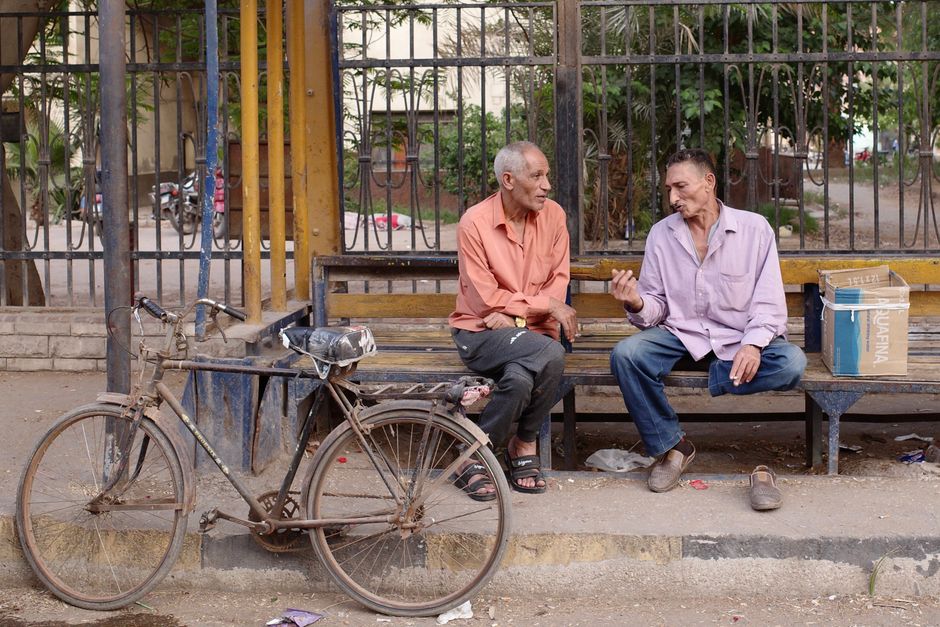
Social connection remains neuroscience's most underrated intervention. Cairene culture already prioritises this—ahwas across Garden City and Zamalek are informal therapy spaces. Research consistently shows that 20 minutes of unstructured conversation reduces anxiety as effectively as medication for mild cases. The barrier isn't access; it's recognising these moments as legitimate wellness practices, not time-wasting.
For those seeking structured support, Cairo now has licensed platforms: Cleopatra Hospital's psychology department and private clinics in Maadi charge 400–800 EGP per session. But the evidence-based entry point remains free: establish a non-negotiable daily practice—whether that's a 10-minute walk, tea with a friend, or breathing while watching the Nile at sunset—and anchor it to an existing routine.
The most robust mental health intervention isn't exotic. It's consistency within Cairo's constraints. Start with what's available at your doorstep. The science works when the practice fits your life, not against it.
This article was compiled by AI and screened before publishing. See our editorial standards.