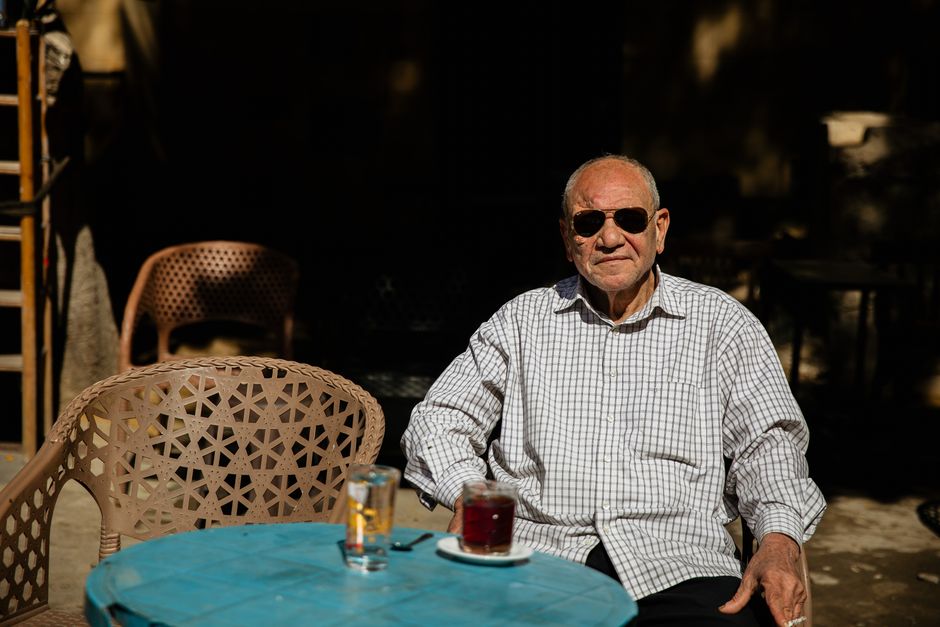
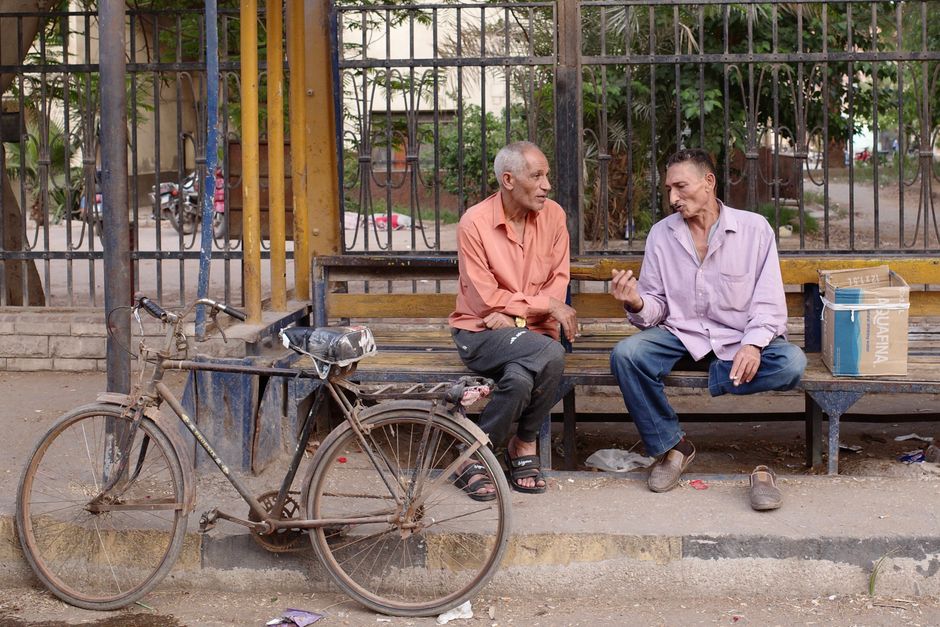
Walk through Al-Azhar Park on any weekday morning and you'll spot a phenomenon that would have seemed unlikely in Cairo a decade ago: groups of residents in their sixties, seventies and beyond moving purposefully along the restored pathways, many working with trainers or physiotherapists. The scene reflects a broader shift across the city's wellness landscape, where active ageing and senior mobility have moved from niche concern to mainstream health priority.
"We've seen a 40 per cent increase in enquiries from clients over 60 in the past three years," says wellness programme coordinators at established fitness centres across Garden City and Zamalek. Several major private health institutions, including facilities near Cleopatra Hospital in Maadi, now offer dedicated senior mobility clinics staffed by physiotherapists trained in fall prevention and joint protection—services that barely existed in Cairo's wellness sector five years ago.
The trend reflects both demographic reality and cultural shift. Egypt's population aged 60 and over is projected to exceed 13 million by 2030, according to regional health data. Yet beyond numbers, there's a philosophical change: the idea that ageing means staying active rather than slowing down has taken root among Cairo's middle and upper-middle classes, particularly in affluent neighbourhoods like New Cairo and Maadi.
Nile Corniche running clubs now feature dedicated slow-pace groups for older participants, while cycling initiatives along the riverside have expanded to include adaptive equipment rental and guided tours designed around joint-friendly speeds. More subtly, the Egyptian healthy mezze diet culture—traditionally centred on family meals—is being reframed by nutritionists and wellness practitioners as a foundational tool for maintaining strength and mobility after 60.
Pricing remains a barrier for many. Private senior mobility programmes typically cost between 400 and 800 Egyptian pounds per session, placing them out of reach for average-income households. Public health facilities have slower uptake, though some government-affiliated clinics in central Cairo are beginning to expand their geriatric services.
What's driving adoption among those who can afford it? Local healthcare providers point to two factors: increasing awareness of preventive care (partly influenced by international wellness discourse), and practical recognition that mobility in one's sixties directly affects independence and quality of life in one's seventies and eighties.
For Cairo's wellness industry, the shift represents genuine market opportunity. But for the city's older population, it signals something more fundamental: permission to imagine ageing as a phase of active living rather than inevitable decline.
This article was compiled by AI and screened before publishing. See our editorial standards.