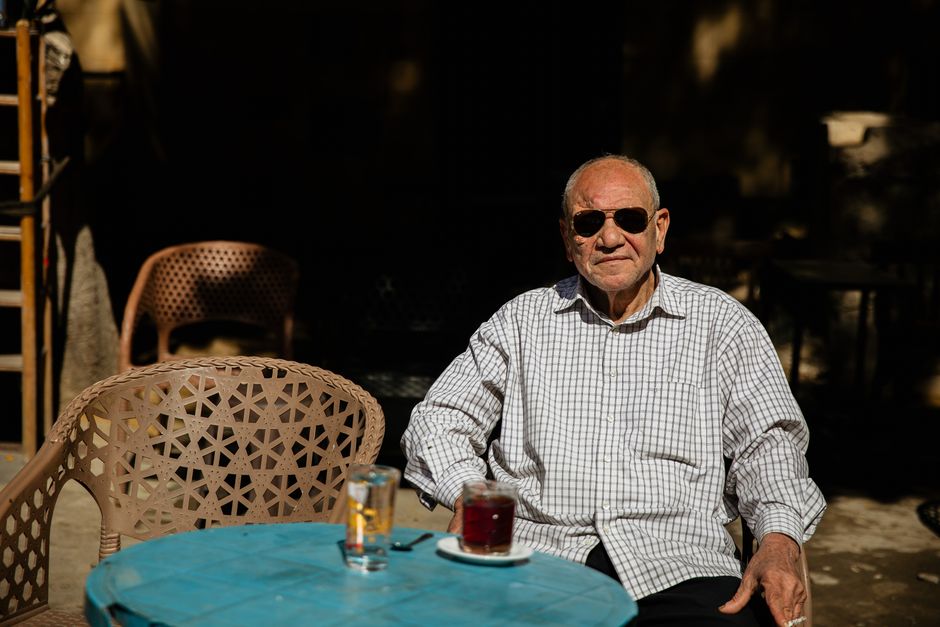
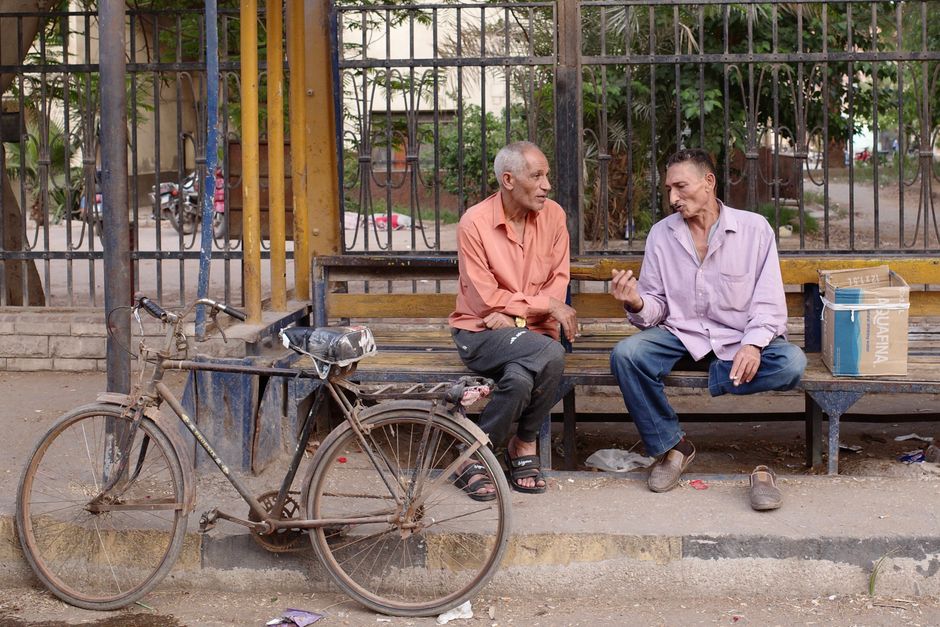
Cairo's ageing population is growing faster than most Middle Eastern cities. According to recent demographic data, adults over 60 now comprise roughly 9% of Egypt's capital, a figure expected to rise significantly over the next decade. Yet conversations about active ageing remain largely absent from mainstream wellness discourse here, despite mounting scientific evidence that movement patterns in later life directly determine independence, cognition, and quality of life.
Recent peer-reviewed research from gerontology and sports medicine journals reveals a consistent finding: sustained, moderate-intensity activity—not sporadic intensive exercise—produces the most dramatic benefits for joint health, balance, and functional mobility in older adults. A landmark 2024 study tracking over 3,000 participants aged 65+ found that those engaging in just 150 minutes of walking weekly showed a 40% lower risk of mobility decline compared to sedentary peers. Crucially, the research emphasises consistency over intensity.
For Cairenes, this translates into practical opportunities already embedded in daily life. The Nile Corniche's waterfront pathways, particularly the quieter stretches near Maadi and Zamalek, offer accessible terrain for regular walking groups—increasingly popular among residents in their 60s and 70s. Al-Azhar Park's gentle slopes and dedicated running routes provide safe, climate-controlled early-morning alternatives during Egypt's intense summer months. Several private wellness centres near Heliopolis and 6th of October City now offer aquatic therapy programmes, scientifically proven to reduce joint stress while building functional strength.
What distinguishes current research from older fitness advice is the emphasis on *consistency and variety* rather than pushing harder. Studies show that combining walking, light resistance work, and balance training produces superior outcomes for fall prevention and maintaining independence—the true markers of successful ageing. Cairo's traditional mezze culture, rich in olive oil, legumes, and fresh vegetables, aligns remarkably well with nutritional patterns that support musculoskeletal health in later life.
The gap between what science recommends and what's available locally remains significant. Affordable, age-appropriate fitness coaching remains limited outside upscale neighbourhoods. Yet momentum is building. Cleopatra Hospital and other private institutions have begun launching senior mobility clinics, while younger Cairenes increasingly recognise that investing in parents' and grandparents' movement habits now prevents costly interventions later.
For those beginning, the research is reassuring: starting movement at any age produces measurable benefits within weeks, not months. The science isn't complicated. What matters is beginning, showing up consistently, and understanding that in active ageing, slow and steady genuinely wins the race.
This article was compiled by AI and screened before publishing. See our editorial standards.